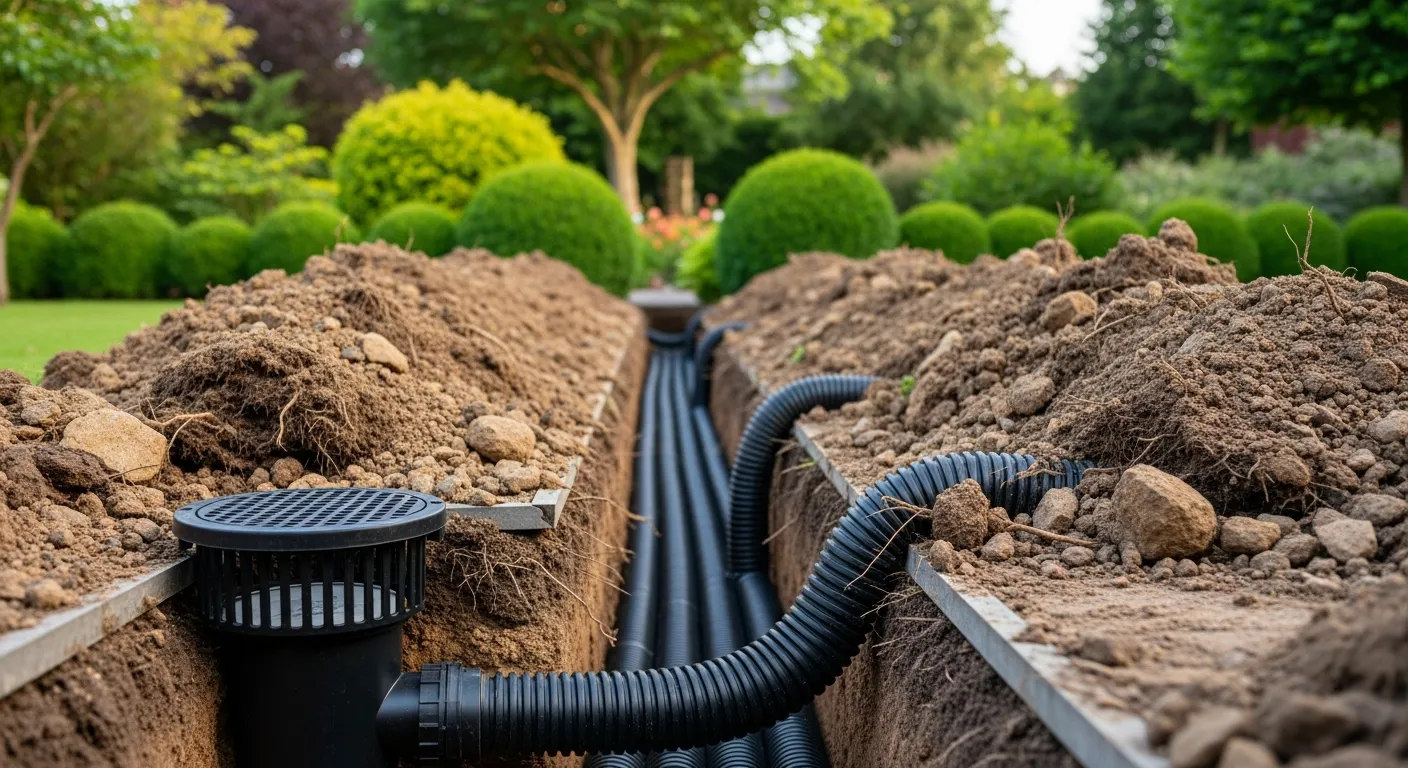
A good backyard drainage solution helps keep the rainwater away from the lawn. This is because rainwater and stagnant water may cause structural damage to the property and the surrounding plants. Most people think good drainage is costly; however, that's not the case. You can even DIY a drainage solution for your backyards.
When it rains, water pools in the yard due to poor drainage. This may cause water puddling, soggy patches everywhere, and also damage the home's foundation. Additionally, it kills the grass and other plants on the lawn. Due to all these reasons, you need effective backyard drainage solutions.
This blog discusses different drainage options you can choose from.
Why Do You Need Good Backyard Drainage Solutions?
There are several reasons to keep your backyard dry, and here are some of them you must consider -
Too Much Water Harms the Landscape
If you have water puddles throughout your backyard, they will kill the landscape and damage flowering plants and shrubs. Too much water can also leave empty patches everywhere.
Watery Backyard Looks Disgusting
When the yard is covered in water and puddles, it loses its aesthetic and beauty. This is because the longer you let the water sit, the more it will erode the soil and create small ditches. This results in dead plants and grass.
The dying plant emits a foul odor that makes the area unsuitable for spending time in the backyard, which many people prefer.
Dry Backyard is Less Messy
If the water sits for too long, it loosens the soil, creating puddles everywhere. When you go outside, you bring in mud, creating a mess at your doorstep that you have to clean up. Thus, adding a chore to your already busy life.
Reduced Risk of Damage to the Property's Foundation
If you see water puddling around your home's foundation, you need to take immediate action. This is because standing water weakens the ground and seeps into your basement, leading to mold growth, wood rot, and even bacterial growth that can harm humans and pets.
Health Issues
Stagnant water is the perfect breeding ground for mosquitoes and other disease-causing insects, which are harmful to your and your neighborhood's health.
What Are the Signs of Poor Drainage?
Before you look into the solutions, check if you have poor drainage in your backyard. Here are some of the signs you must look out for -
- If you see water puddling in your backyard after a heavy rainfall, it's clear that the yard has poor drainage.
- If you have a waterlogging issue, the soil will feel moist and spongy, which can cause the plants to change color or die.
- Take a look around your home's foundation; if you see water stains on the walls, it indicates that water is seeping into your home. This mostly happens due to poor drainage.
12 Different Types of Backyard Drainage Solutions You Need to Know About
The type of drainage solution needed for your backyard will depend on certain needs. Also, several factors may need to be considered when choosing a drainage solution. These include aesthetics, cost, functionality, maintenance requirements, and many more. Here are some popular drainage options people consider for their backyard -
Create a Swale
Swales are shallow grass-covered ditches that are built to divert excess water away from the yard to a safe place, such as a dry well. You don't need pipes or plumbing equipment to create a swale. Hence, it gives the appearance of an invisible drainage trench that blends into the yard.
It is easy to create a swale; however, digging can be quite challenging. So, if you have a large yard, consider hiring a professional, as DIY can take a long time and require extra effort.
Plant a Rain Garden
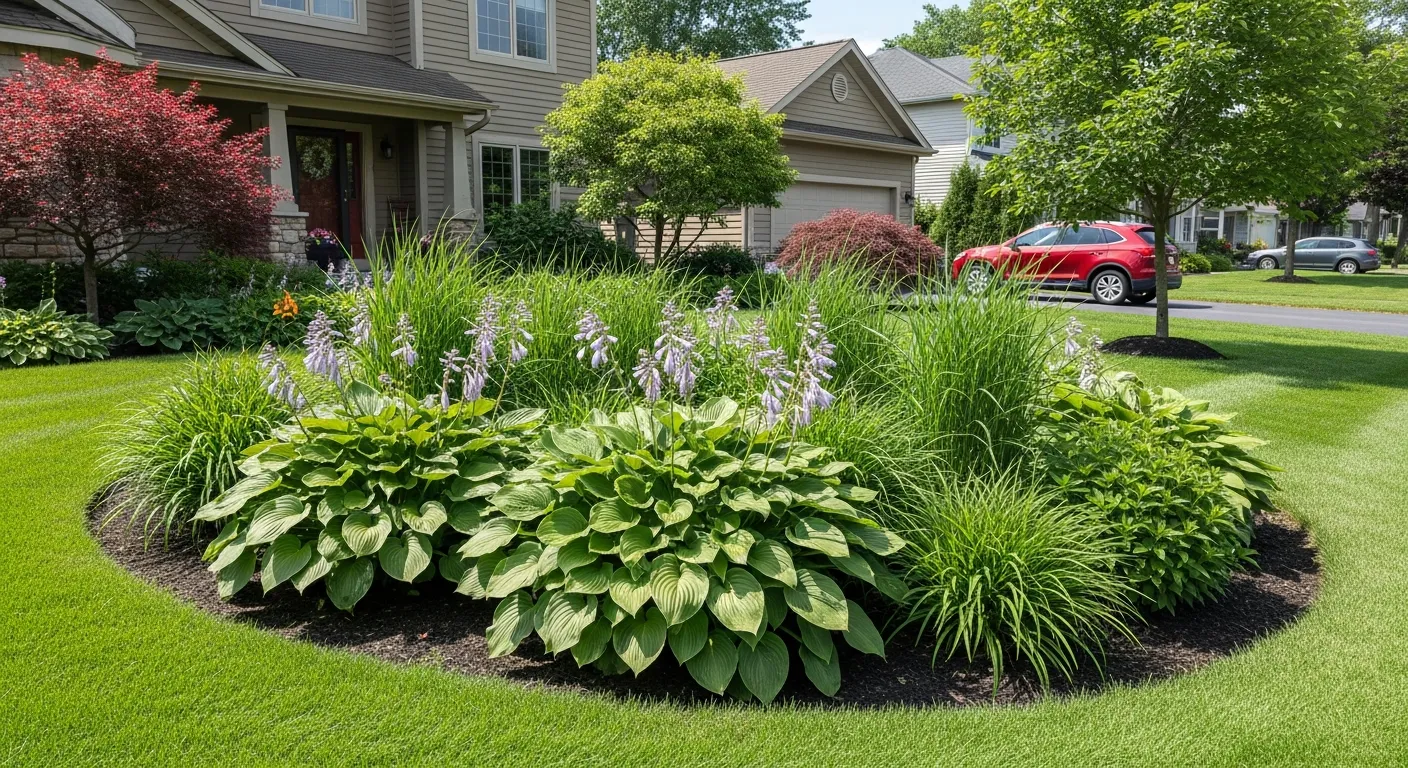
A rain garden is a landscape element that is usually situated in a natural low point of a lawn. These gardens are designed to collect and absorb water, to prevent runoff. You can use native plants with deep roots that can retain water. The water should not stand or pool in the yard.
You have to be very careful when selecting the place where you want to plant the rain garden. This is important to ensure it does not create any further drainage issues. This is an easy DIY project that won't cost you a fortune and will also keep the garden safe from water damage.
Build a Dry Well
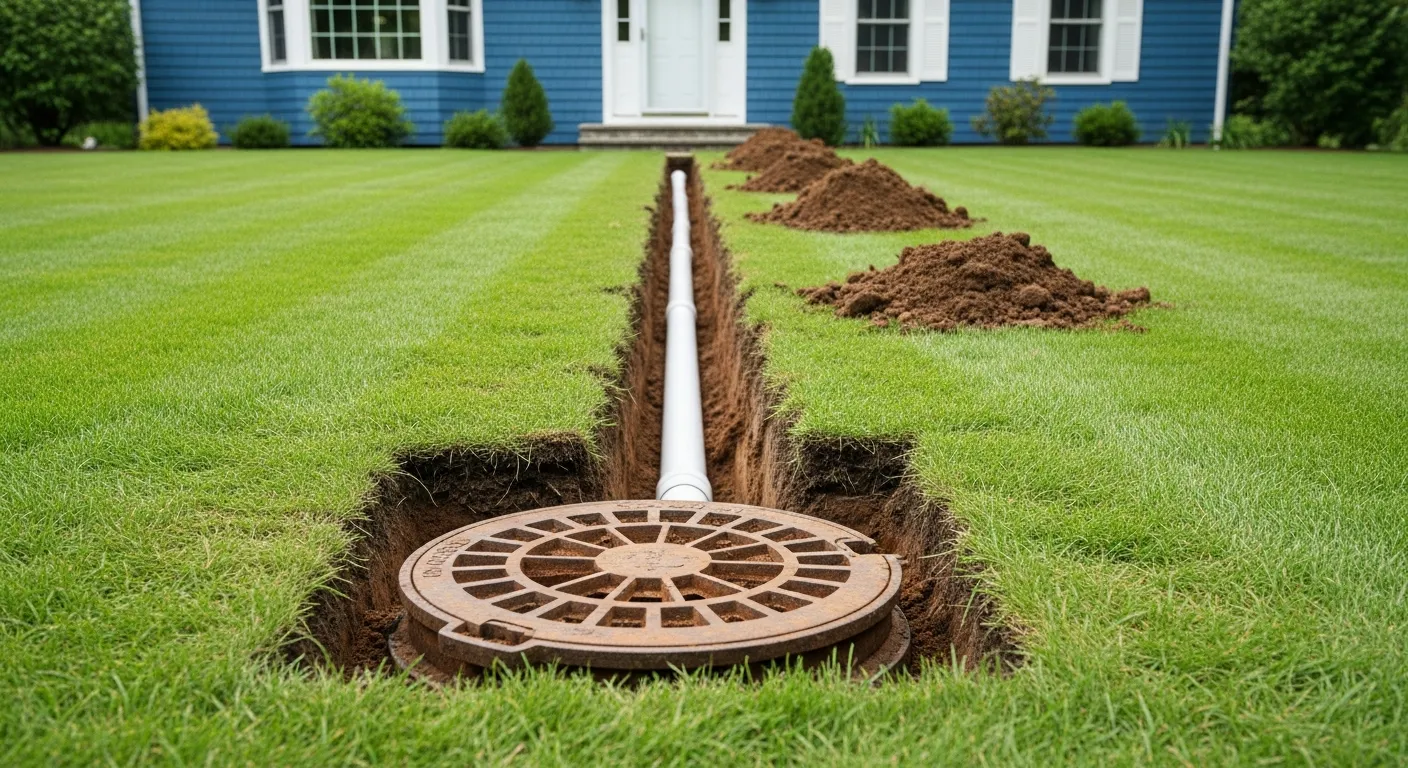
A dry well is a large underground basin lined with pebbles and rocks to collect water. It receives water and percolates into the soil, which makes drainage quite effective. Also, it works in sync with other drainage methods. Remember, building a drywell is not easy, so consider hiring a professional.
Ensure to Clean the Gutters and Downspouts
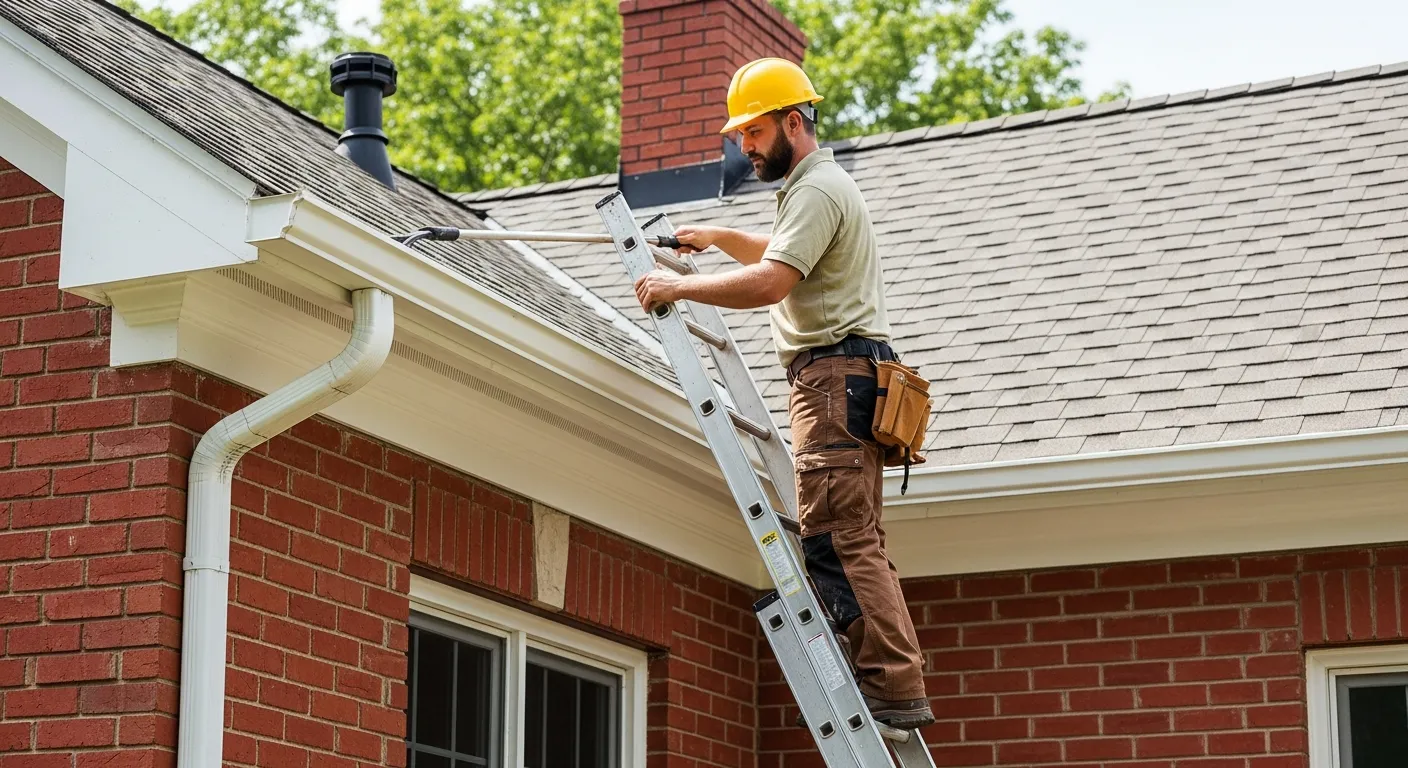
To ensure proper drainage, keep your gutters and downspouts clean. Consider cleaning them at least twice a year; since it requires minimal labor, you can do it yourself.
All you need is a climbing ladder, gutter rake, blower, and other cleaning tools to clean the gutters and downspouts. Also, ensure the gutters are realigned if they appear unaligned, as properly sized gutters can help keep drainage smooth.
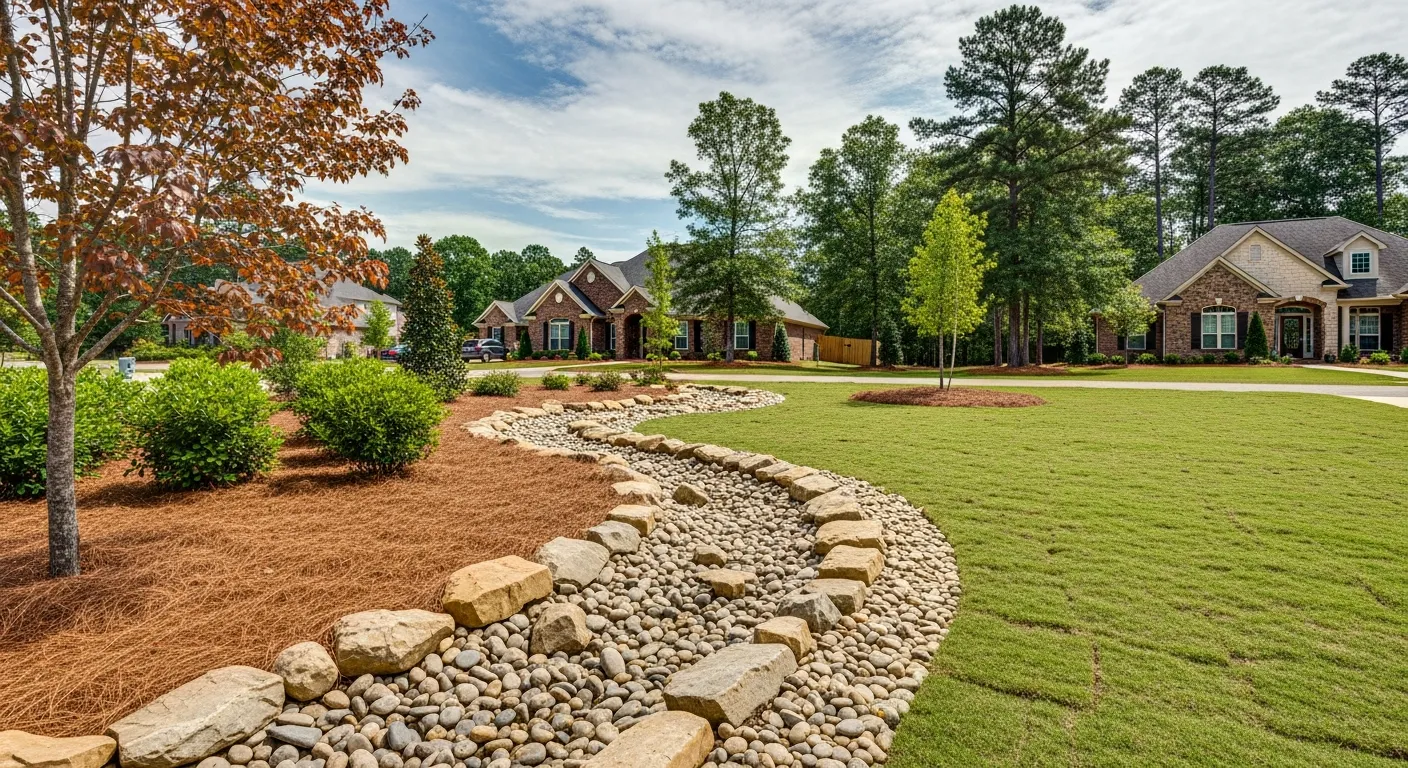
Build a Dry Creek Bed
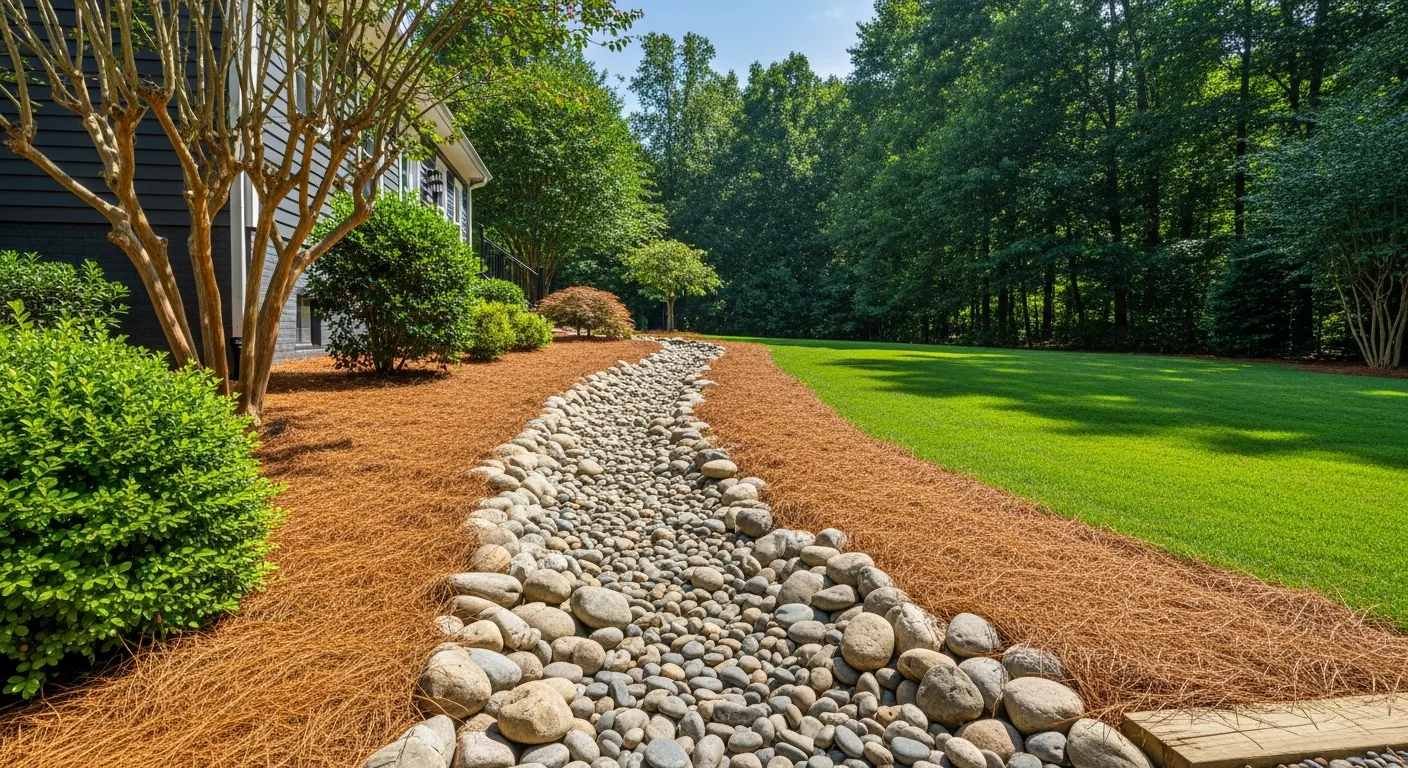
A dry creek bed is both functional and looks beautiful. It can be created from any rock, which helps channel stormwater. Building a creek bed offers you the choice of a pathway to divert water away from the garden and yard. It also works for xeriscaping and is an easy DIY project that won't cost a fortune to build.
Fix the Slope
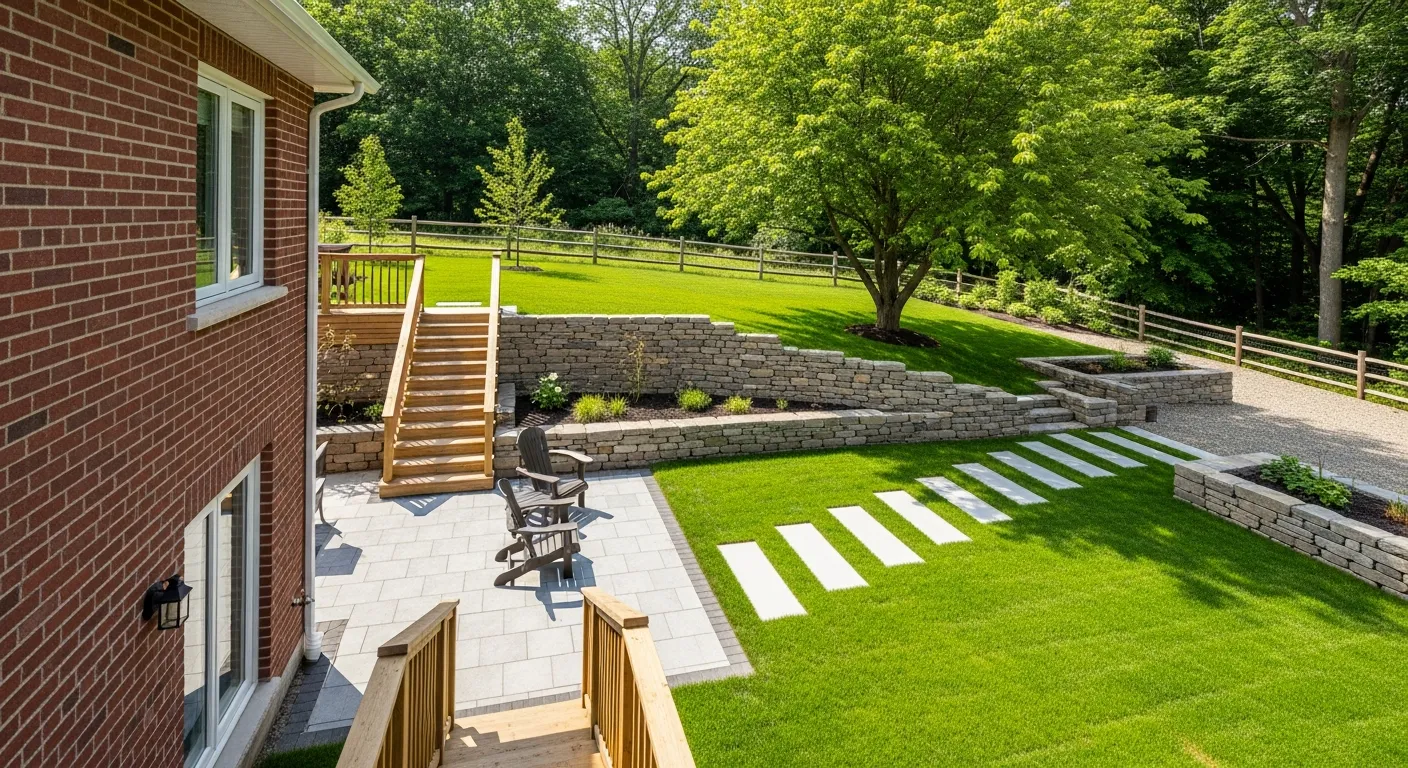
If you need a low-cost, low-effort backyard drainage solution, consider creating a slope to divert water away from your property. The slope should be 1 inch per foot of horizontal run to ensure water is carried away from the yard. To make sure you have the slope right, talk to a professional landscaper, as they can help you get the right measurements.
Use a Rain Barrel
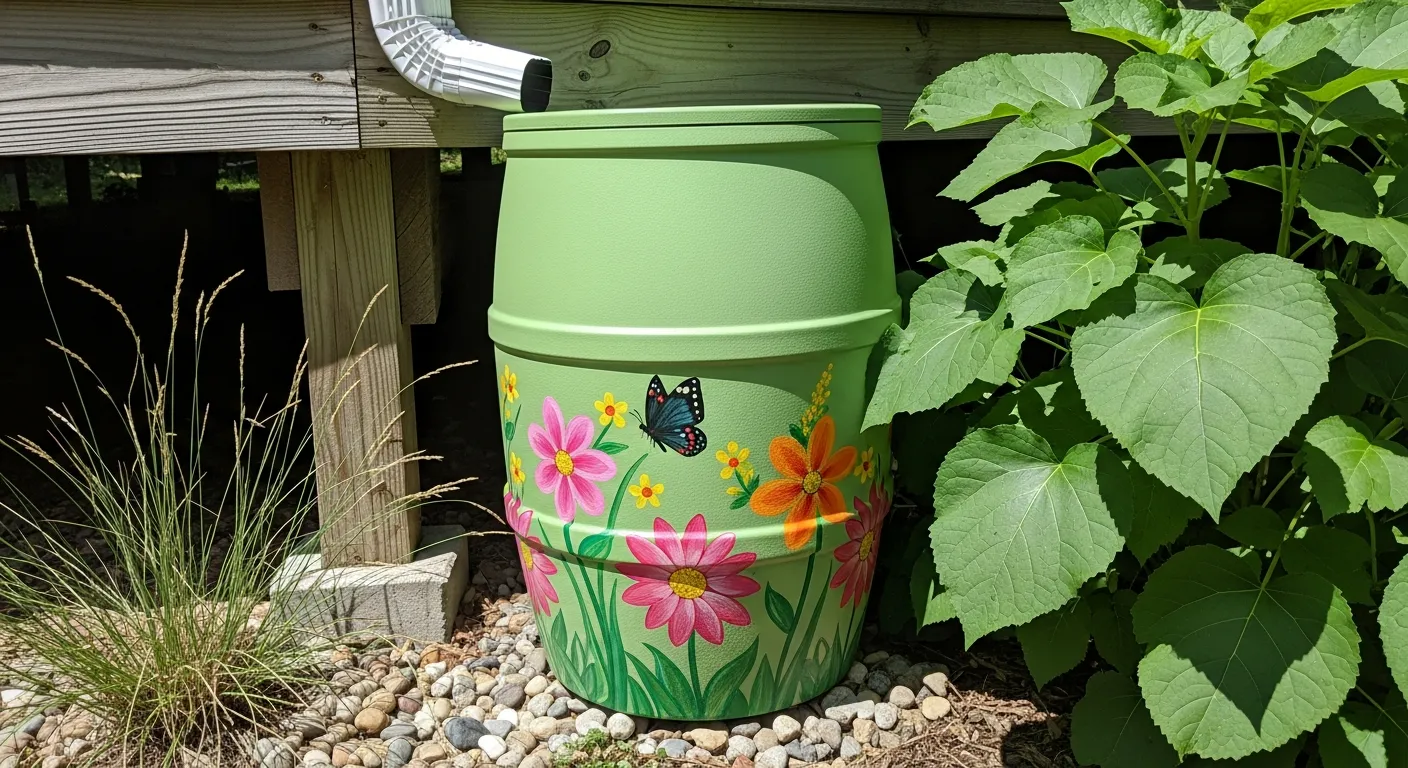
You can use a rain barrel and place it next to the downspout. All the rainwater will be collected in the barrel and reused to water the garden. However, before you choose this option, make sure you talk to your local authorities. This is because some areas have certain rules regarding rain barrels.
Opt for Drainage-Friendly Materials
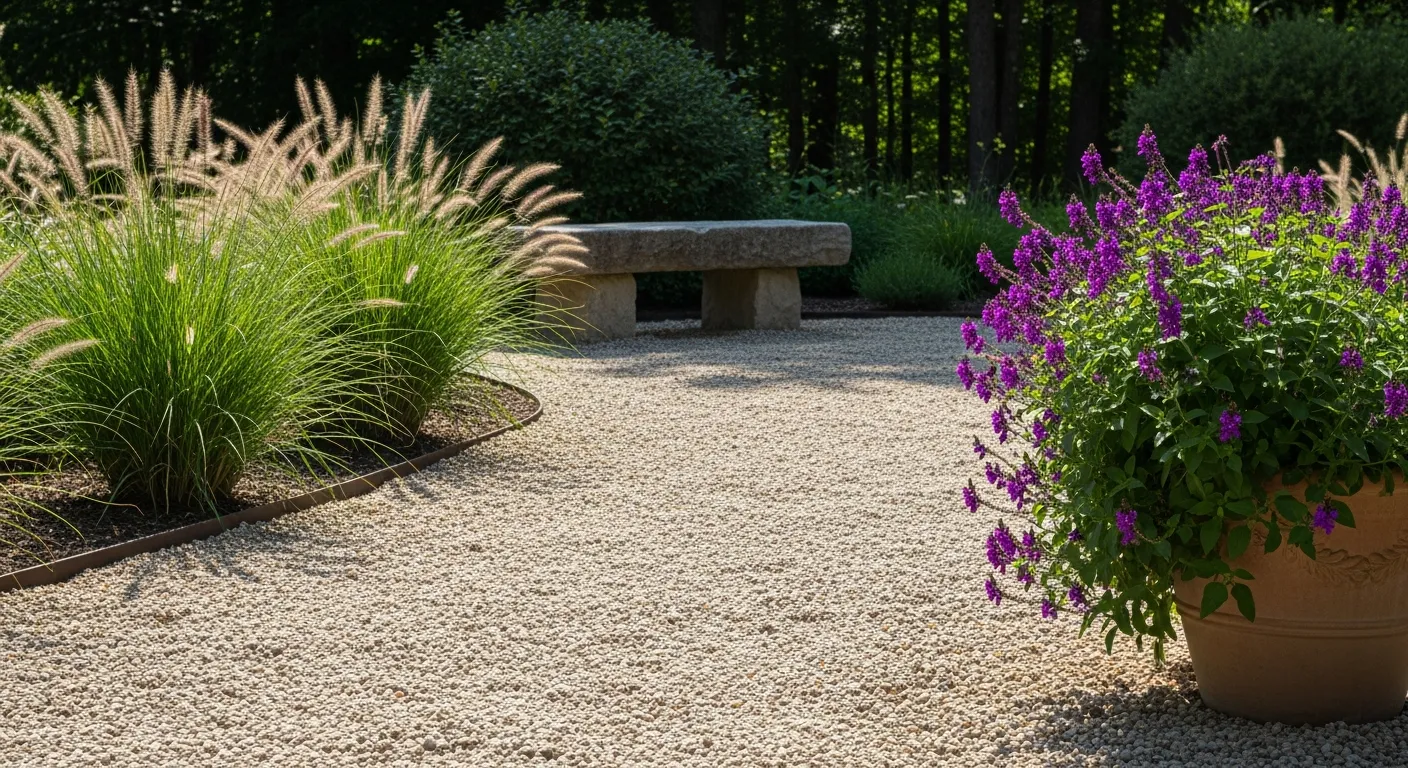
Instead of concrete or asphalt, consider crushed or pea gravel, as they are not very good for yard drainage.
When used for hardscaping, these materials pull water away from the yard, directing it toward your home's foundation. In contrast, crushed and pea gravel encourage proper yard drainage.
Add a Trench Drain
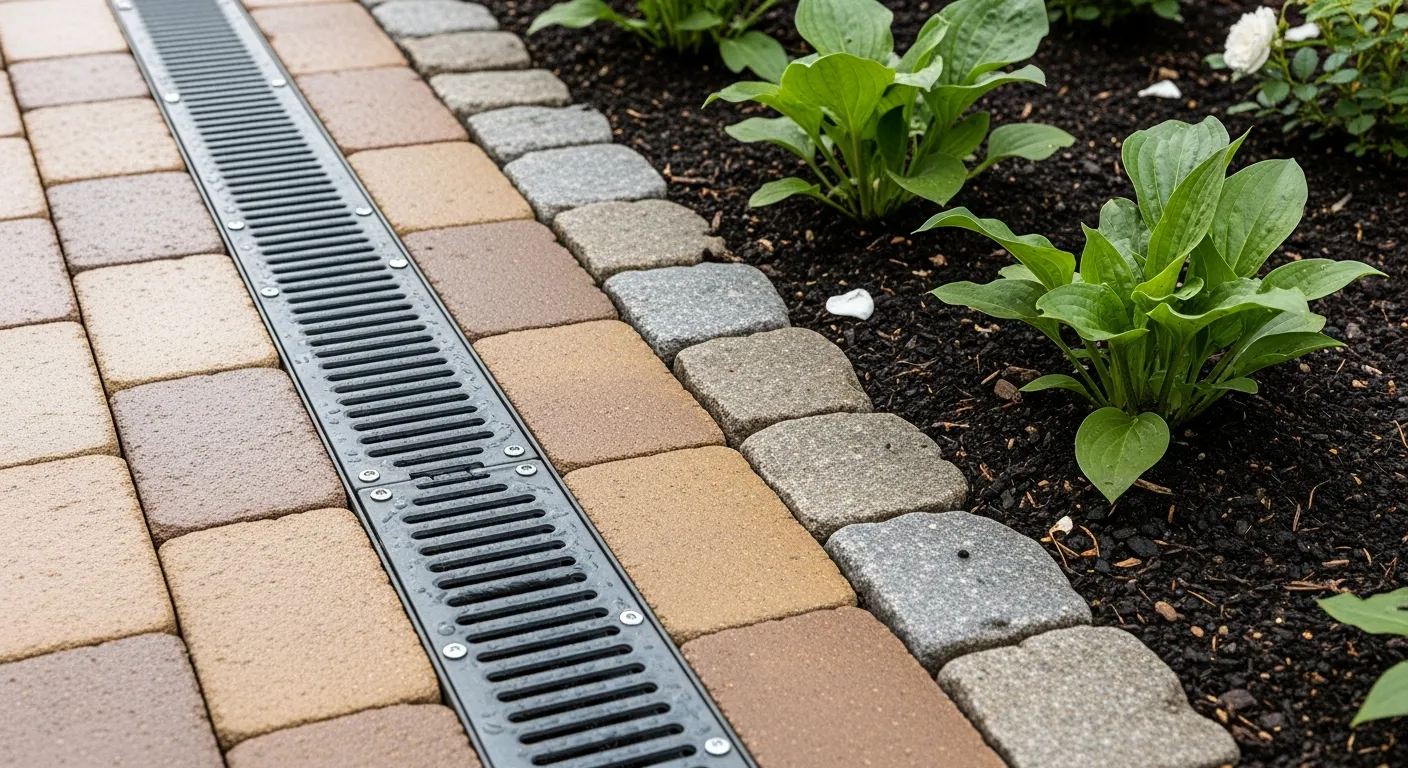
Also known as channel drains, trench drains are among the best drainage solutions for your backyard. These drains are constructed from various materials and can be installed on driveways, where there is a high chance of water flowing in the wrong direction.
Trench drains can handle large volumes of water, making them ideal for areas prone to water pooling. When water enters the drain channel, it is diverted to a designated outlet. If you want to make them aesthetically pleasing, you can get some decorative covers for these drains.
Grade Your Yard
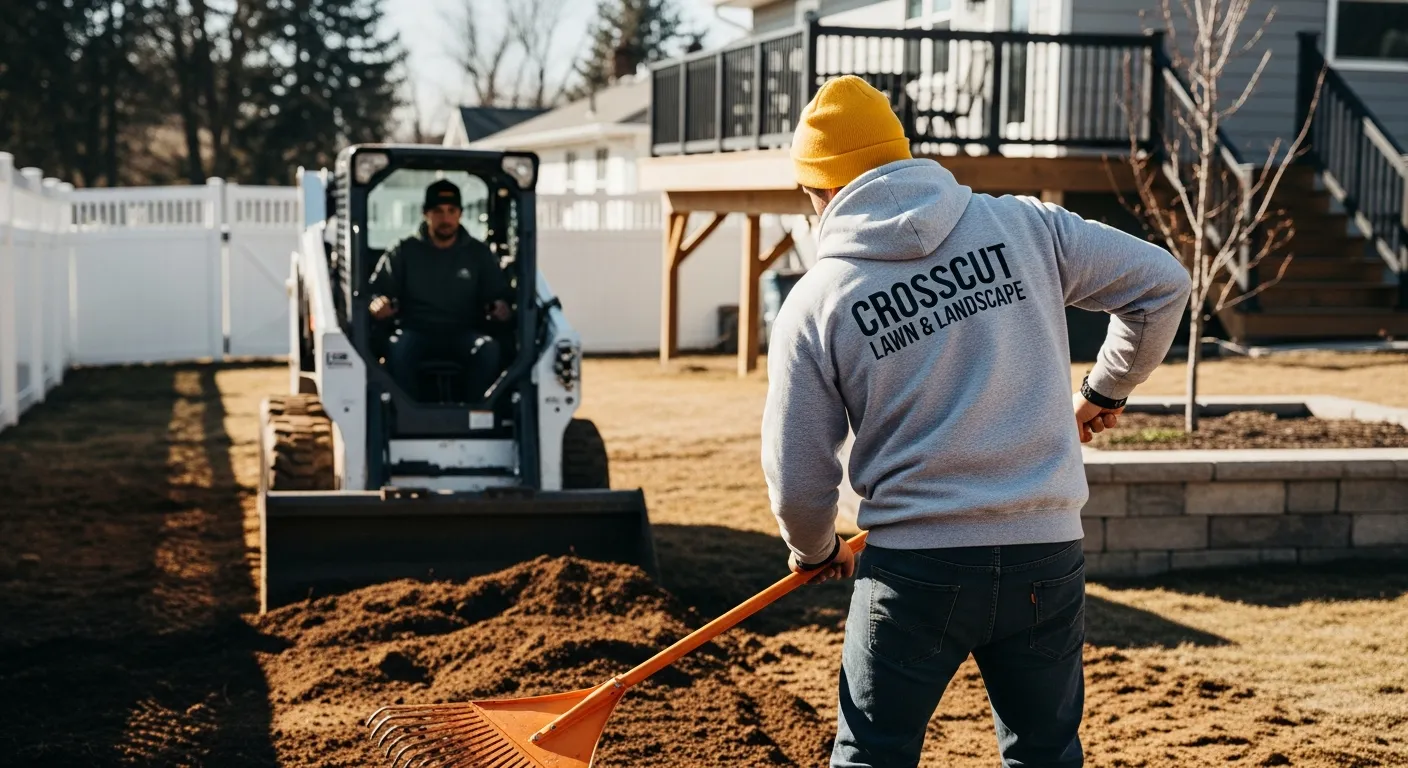
Grading helps level the yard and create a slope away from the home's foundation. This ensures that the water does not damage the home's foundation or the yard.
Add a Surface Drain
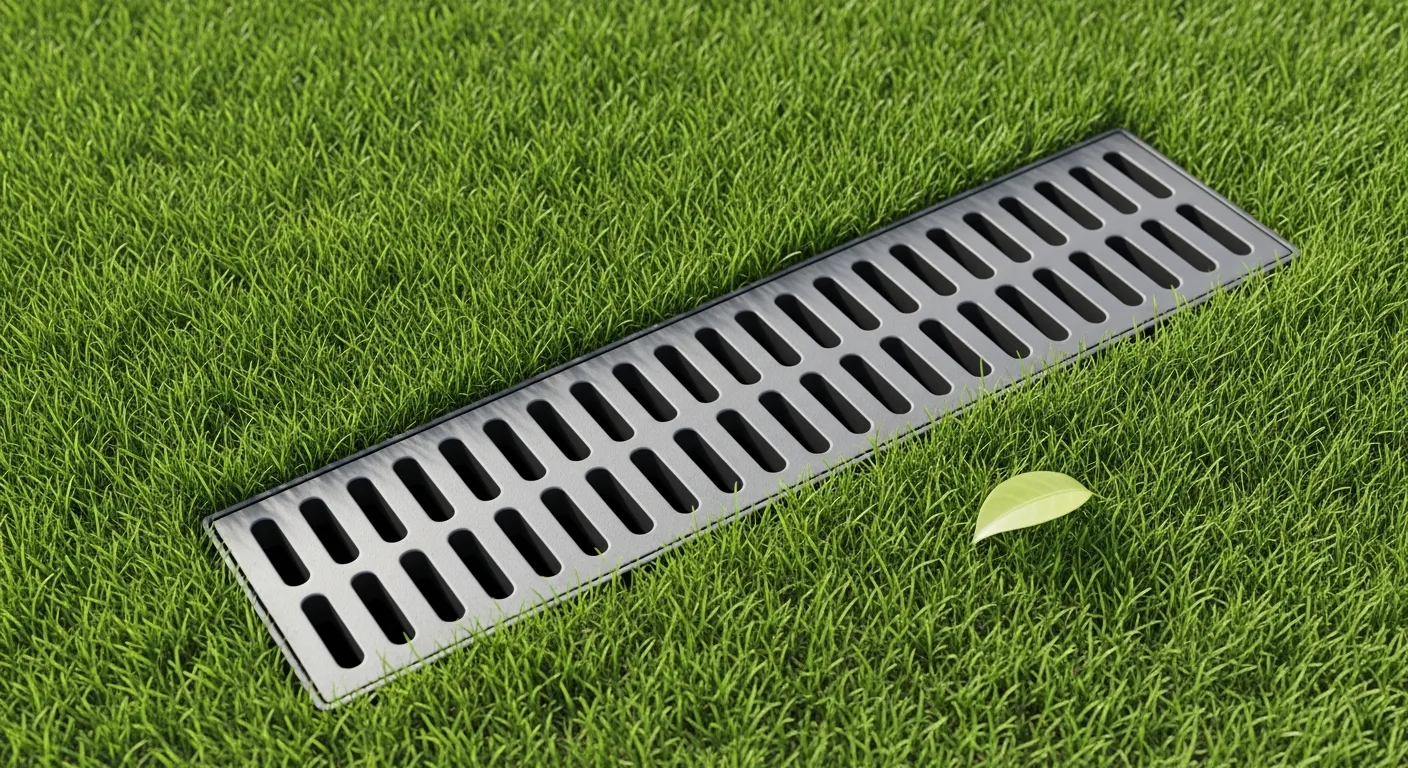
A surface drain is a gravel or rock-filled trench designed to channel water away from your property. It's especially useful for paver or concrete patios where water tends to pool after rainfall.
Install French Drains
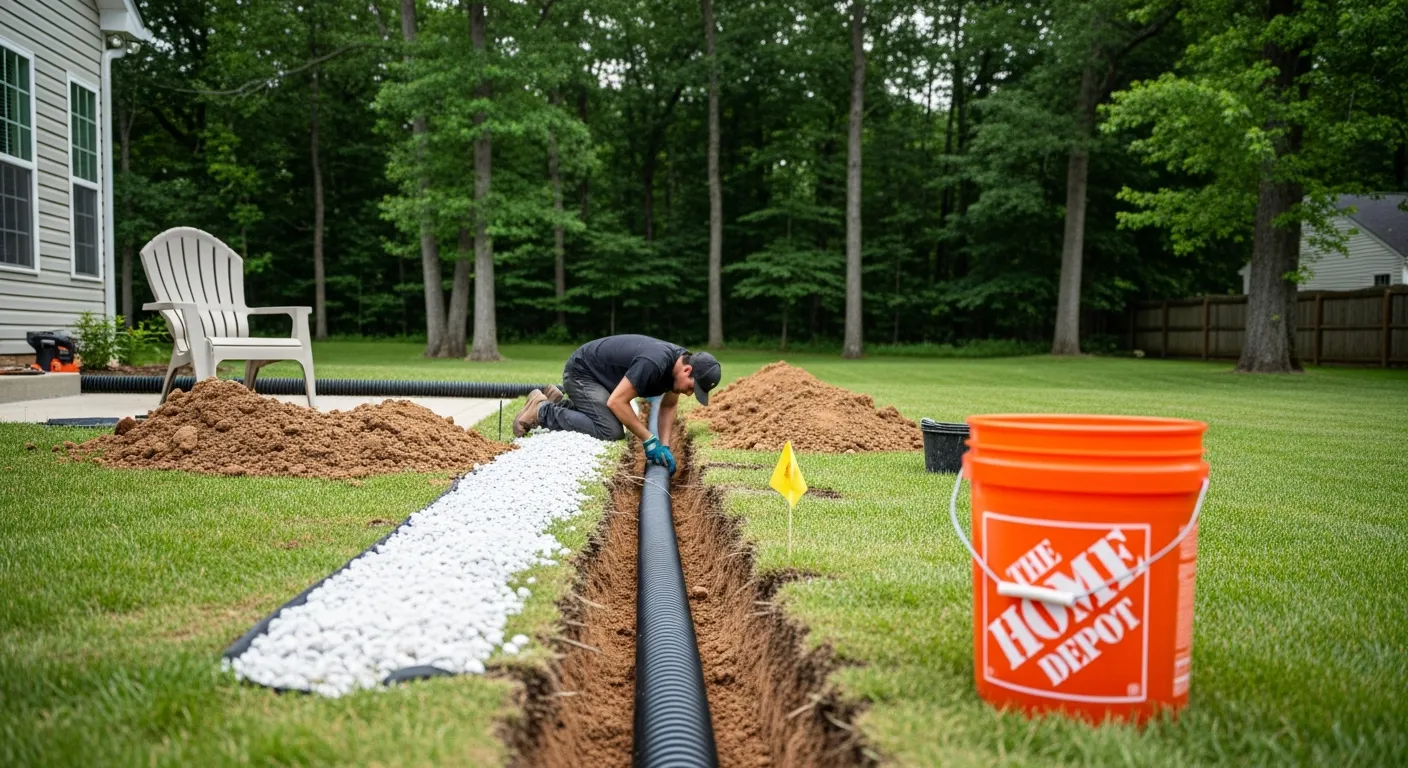
A French drain is an effective, affordable, and easy-to-maintain backyard drainage solution. If your yard has a sloping landscape, pooling issues, and water leaks into the basement, and if your backyard is at risk of flooding, a French drain is the perfect option.
It mitigates flooding risk and prevents costly water damage without compromising aesthetics. The drain is created via a system of deeply dug trenches and downward spouts. The pipes are filled with gravel that prevents clay-like soil, debris, and sediment from clogging, slowing, or blocking the flow of water.
The drainage system is very effective because it is durable, diverts water underground, and prevents water from pooling in the yard.