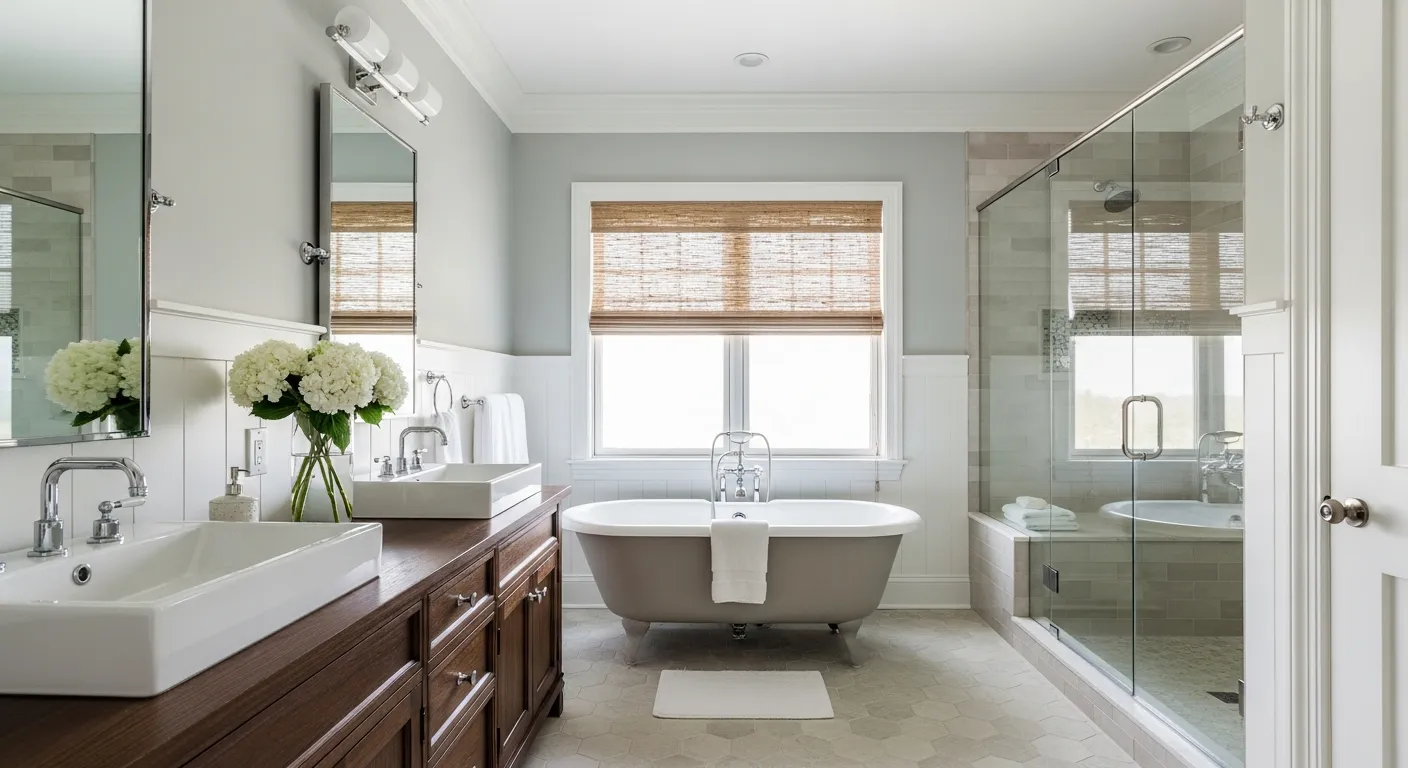
Painting is one of the simplest and most affordable ways to make your bathroom look fresh and new. The right paint can transform any space into a bright and airy one. The paint should also withstand the high humidity and moisture in the bathroom. Many homeowners get overwhelmed by the paint options and struggle to choose the right paint for the bathroom. The most recommended paint for the bathroom is gloss latex, which helps prevent mildew while maintaining the beautiful appearance over time.
Finishes, such as semi-gloss or satin, are also recommended for their stain resistance and ease of maintenance. This blog explores the best paint options for your bathrooms and helps you select the perfect finish.
What Are the Essential Features of a Good Bathroom Paint?
Your bathroom experiences more moisture than any other place in your home. Hence, you should be very careful when choosing the best paint for your bathroom. Without proper protection, walls and ceilings can develop mold and mildew, posing health hazards and costly repairs.
Bathroom paints usually contain antimicrobial additives that prevent mildew growth and protect walls from moisture. In addition, they should repel water, maintain adhesion, and prevent peeling or bubbling under humid or wet conditions.
What Type of Paint Works for the Bathroom?
Here are three common paint types recommended for the bathroom -
Latex Paint
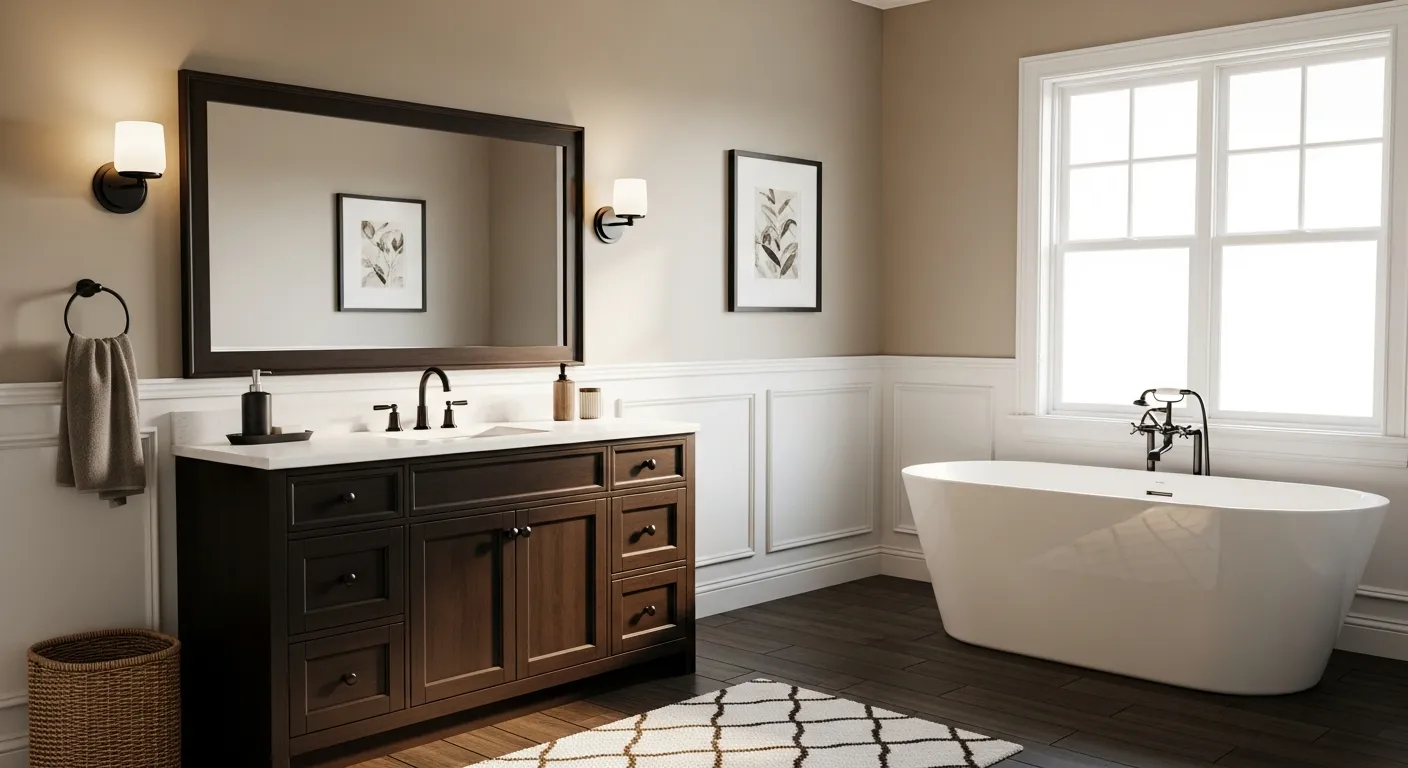
Latex paint is considered best as it is washable and moisture-resistant. It can be applied easily and cleaned up easily. Most latex paint has little to no VOCs, which release minimal volatile organic compounds during drying.
Oil-Based Paint
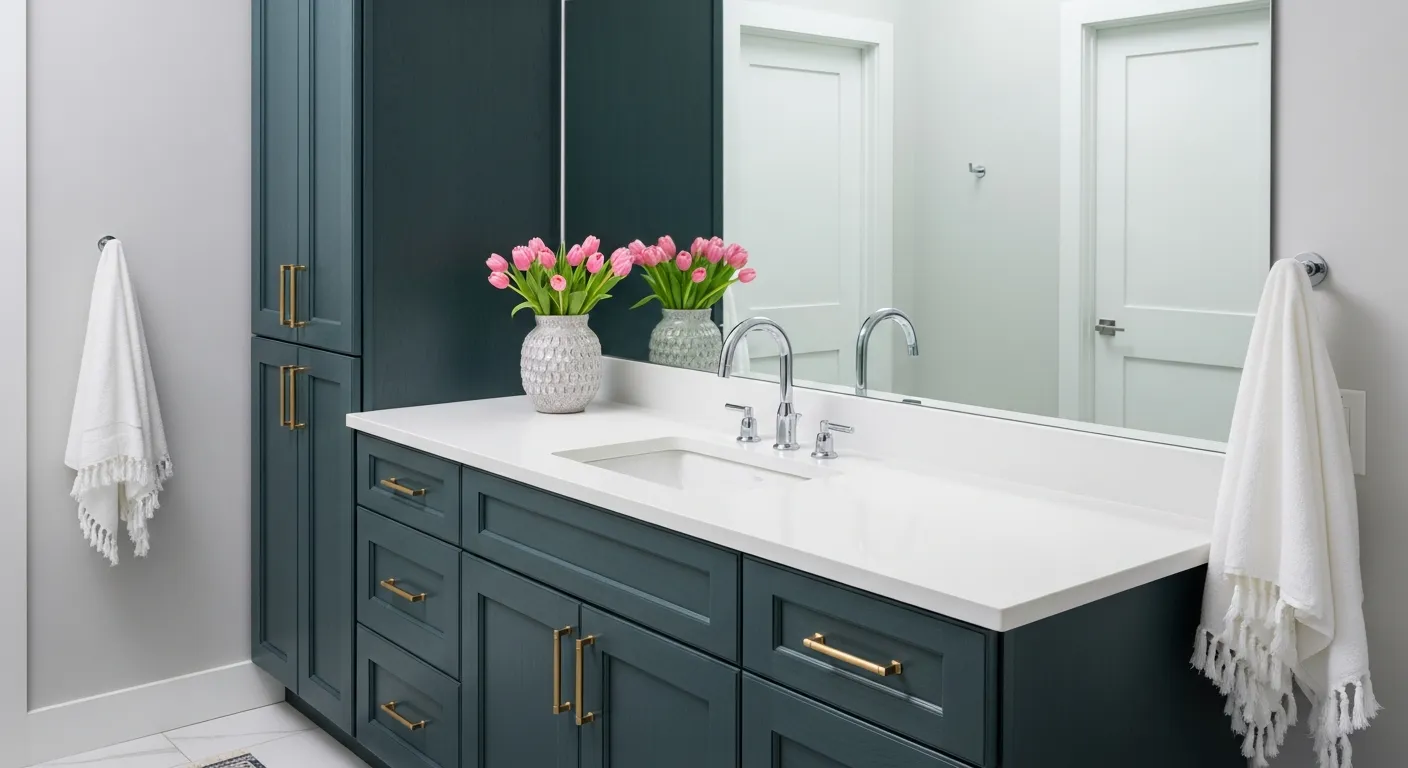
Oil-based paint can withstand high traffic and is suitable for cabinets and door casings. However, it can yellow over time and emit high levels of VOCs during drying.
Acrylic Paint
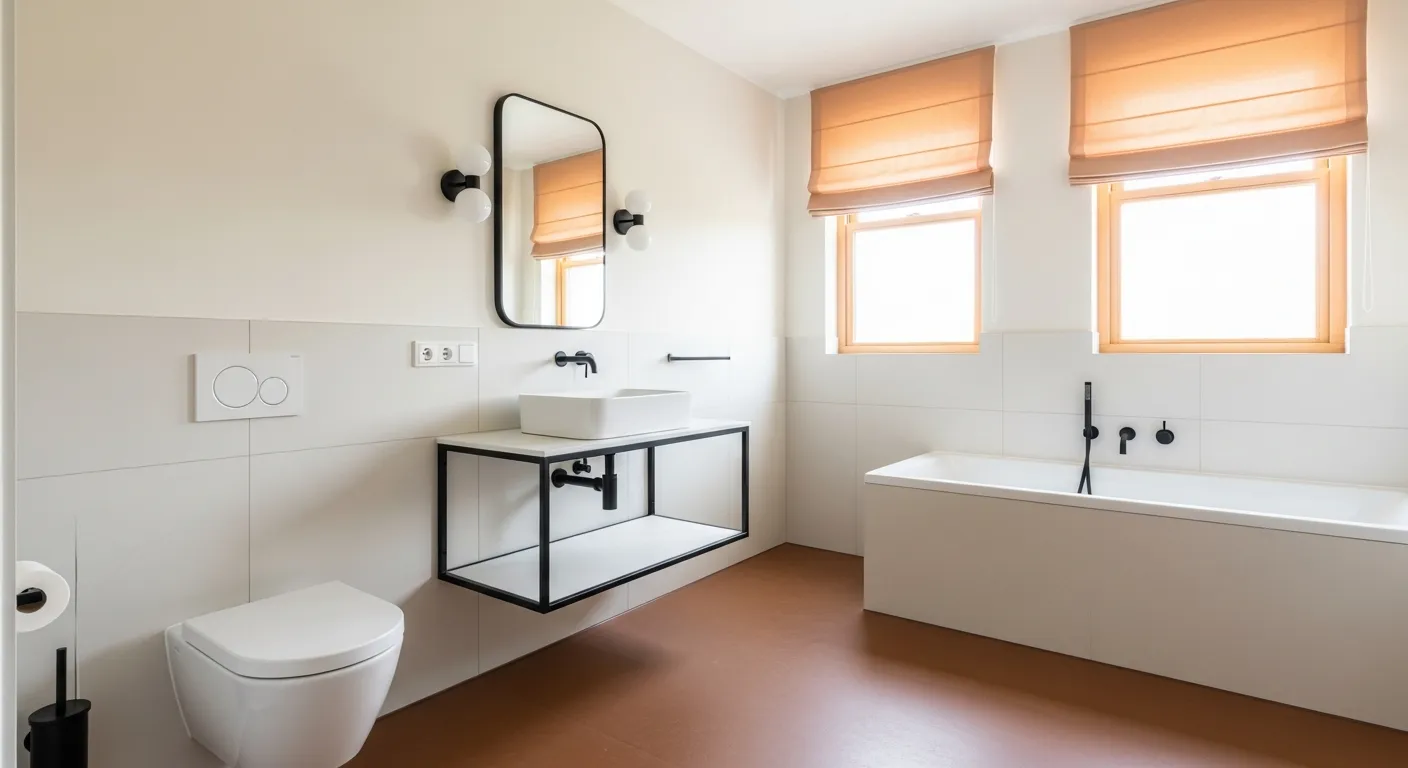
Acrylic paint is moisture-resistant and dries quickly. It is a water-based paint that adheres well to bathroom surfaces, which also creates a durable finish that can last longer. In addition, it resists fading and yellowing, thus maintaining its color and appearance even in places with high humidity.
| Notes | When choosing acrylic paint, consider a formulation designed for high-humidity zones. This is because these paints contain additives that repel mold and mildew. |
Best Paint Finishes for Your Bathrooms
Not only the type of paint, but also the finish you choose, determines the look and durability of the paint. Here are the three most popular choices for bathroom walls -
Semi-Gloss Paint
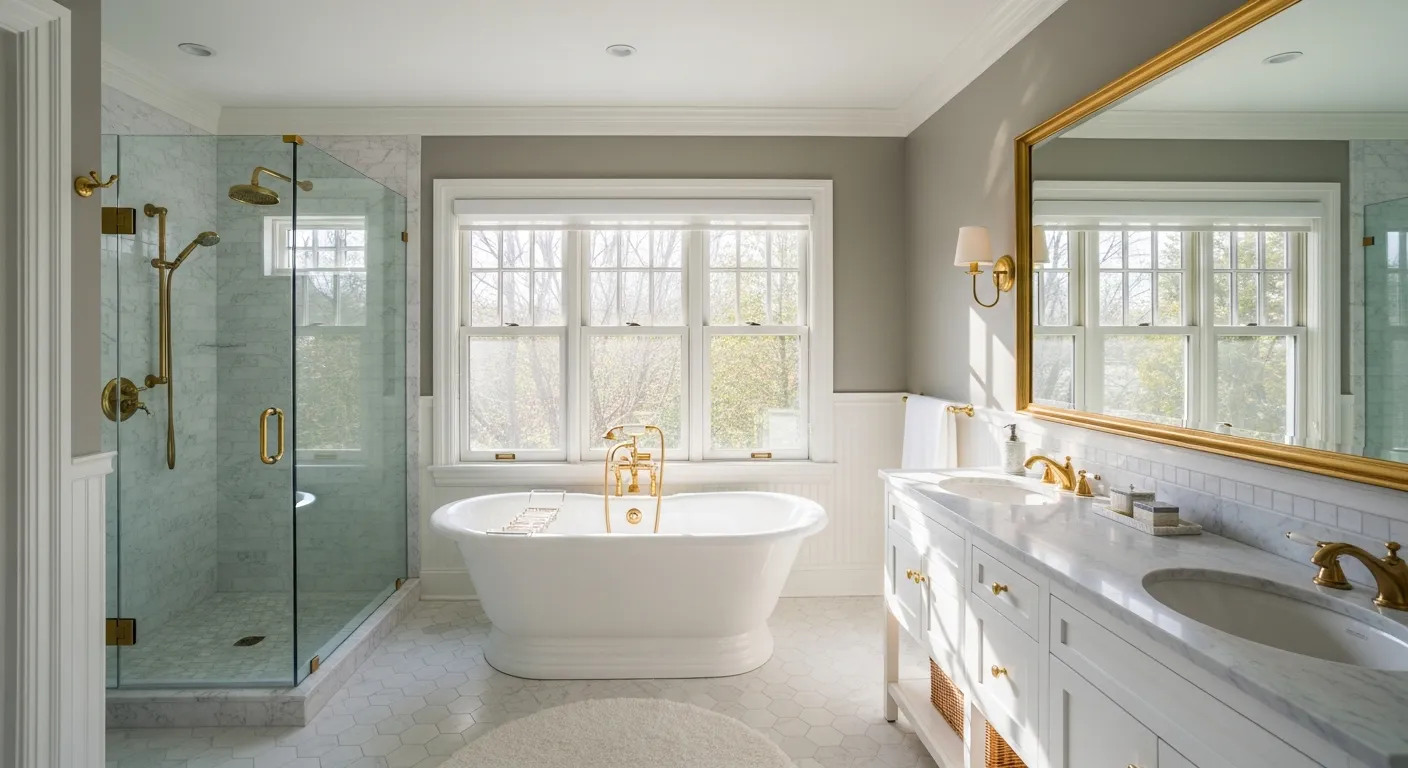
This is one of the best finishes for bathroom walls, as it resists mold and mildew growth and can withstand high temperatures.
Satin Finish
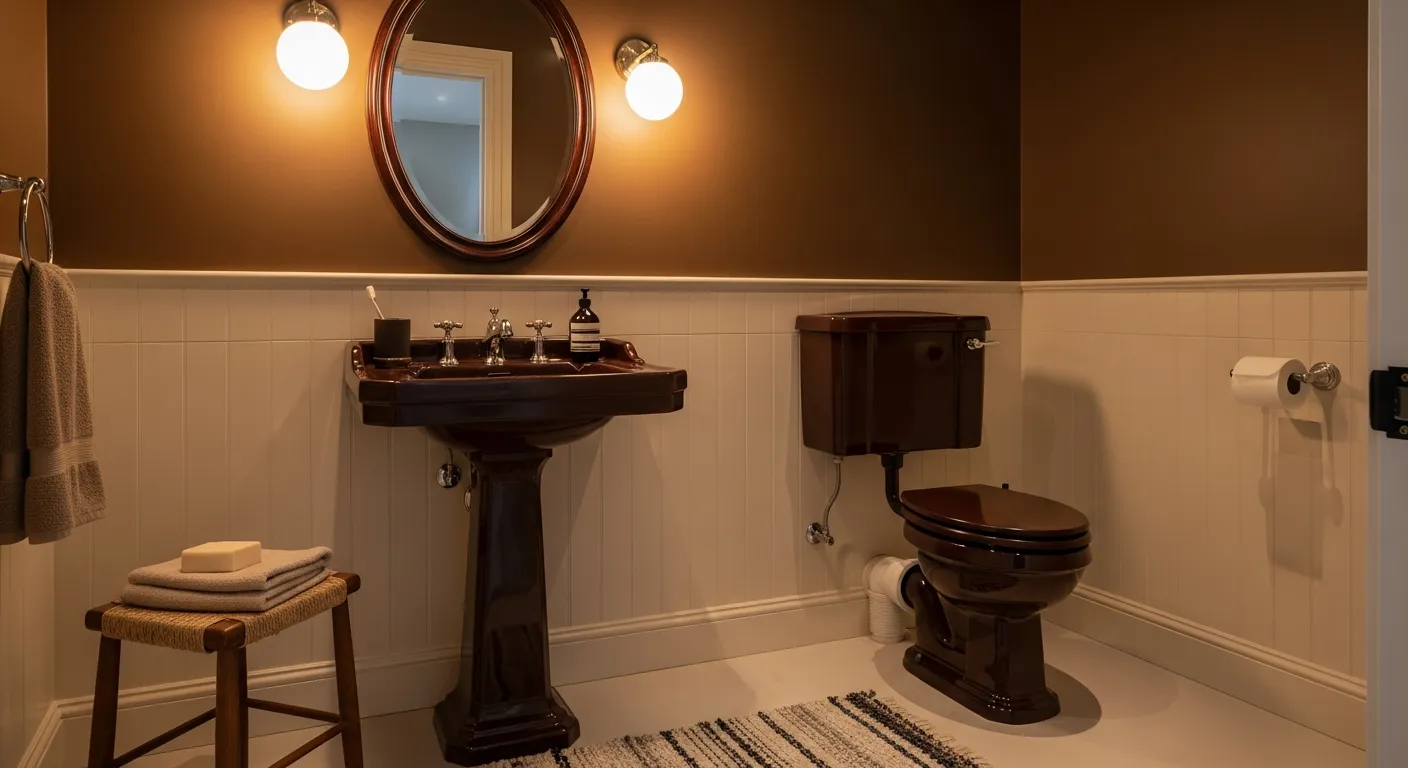
A satin finish offers a soft sheen and resists moisture. However, it creates a less reflective appearance than a semi-gloss finish. As it offers a beautiful look and durability, using it in the bathroom gives a smooth, subtle finish that also works well in humid environments.
Eggshell Finish
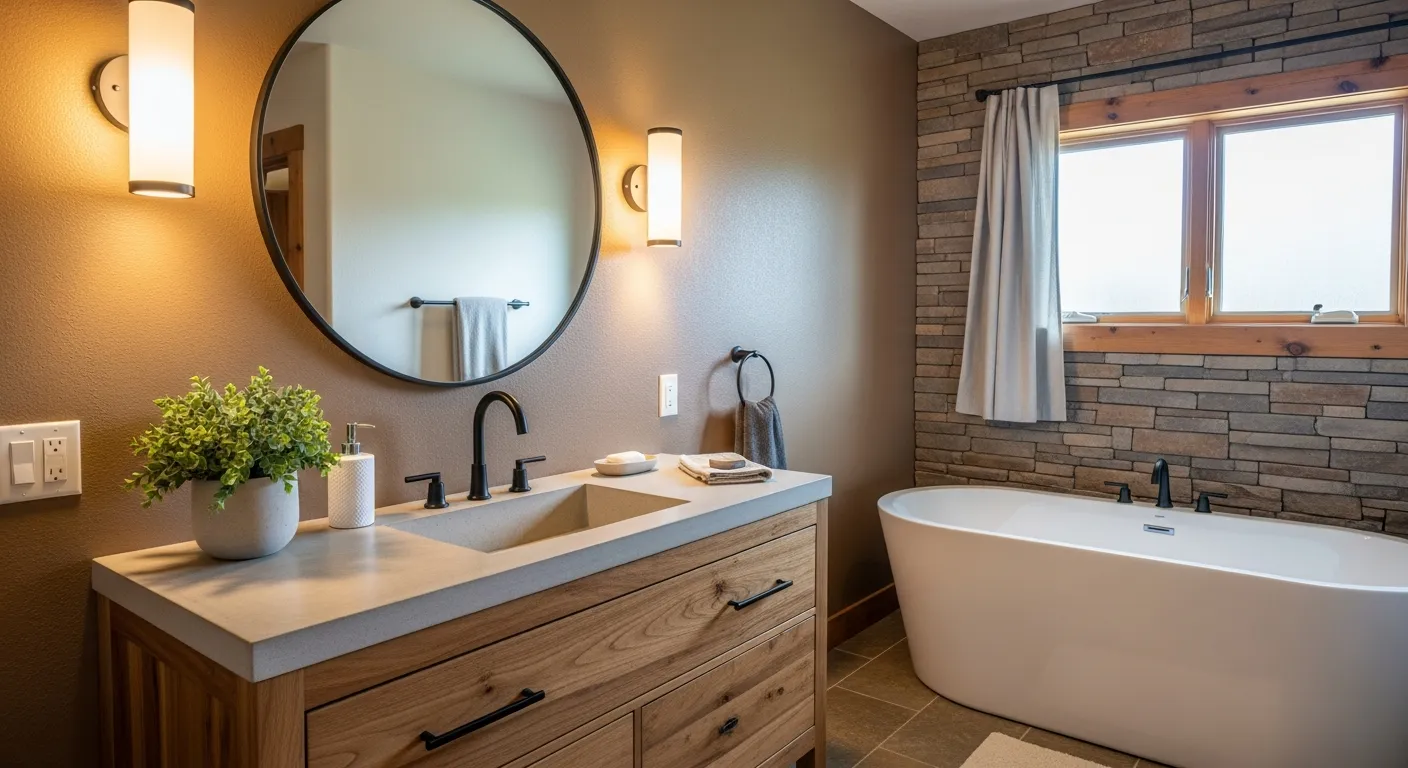
Experts say that eggshell is the perfect finish for your bathroom walls, as they are easy to clean and repels moisture. It is great for powder rooms or half-baths without showers or tubs, as the eggshell finish offers durability and a softer sheen.
| Notes | When choosing eggshell for your bathroom, ensure that it is specifically formulated for high-moisture areas. |
Most Popular Bathroom Color Schemes
Before you select the paint, shade, or tone, it is important to understand the bathroom's overall style and the ambiance you want to create. This means you have to understand the color schemes -
-
Monochromatic: Consider using various shades of the same color family to create a balanced look.
-
Complementary: Opt for colors that sit opposite to one another on the color wheel to add contrast to the space.
-
Analogous: Use colors that are next to each other on the color wheel for a cohesive appearance.
-
Neutral: Add shades like white, beige, or gray to keep the overall style classic and versatile.
Keep in mind that the color choice also influences how the room feels. So, opt for colors that make the bathroom look softer and cozier, or fresher and airier.
What Paint Color Would Look Best in Your Bathroom?
Colors shape how a person experiences a space. Here are a few colors that look great on bathroom walls, while making it relaxing and comfortable -
Blue
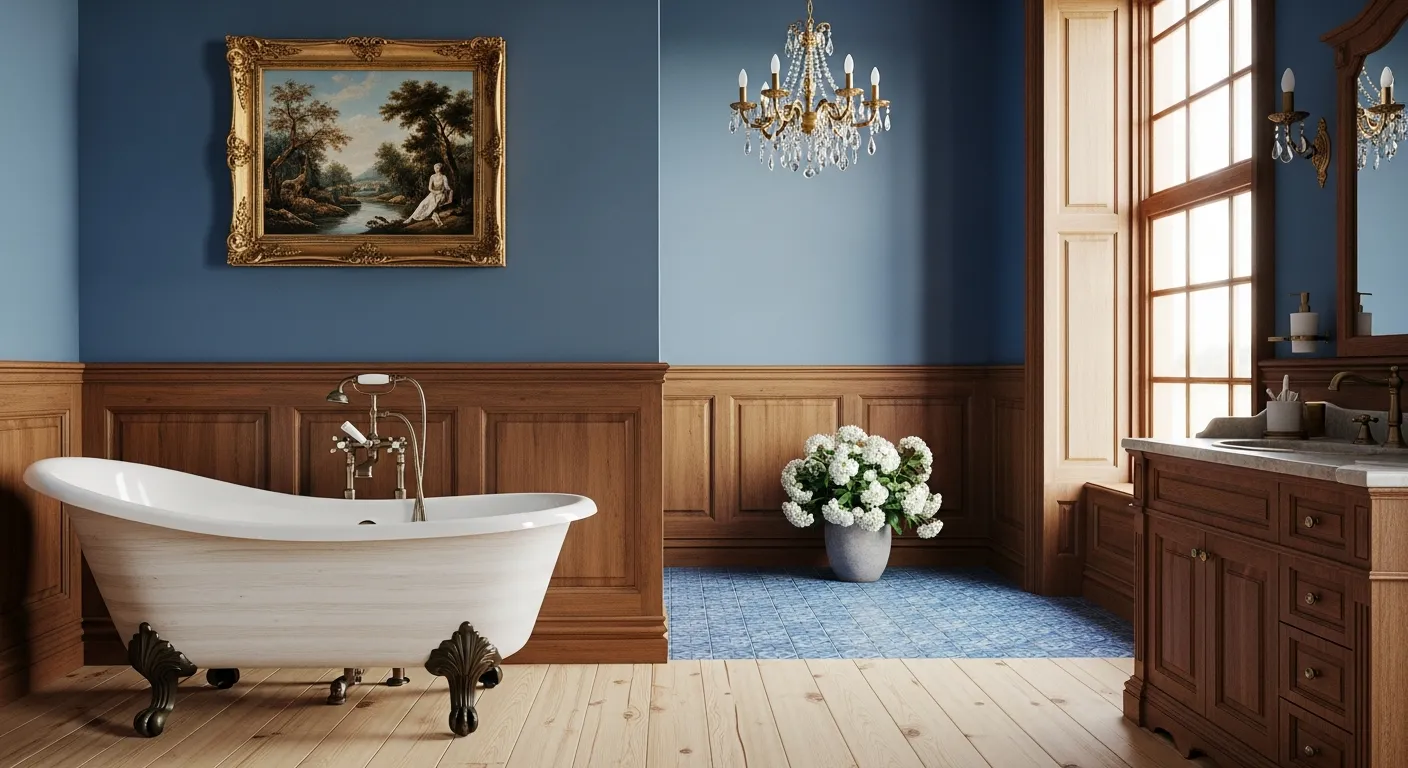
Blue is one of the most relaxing colors, evoking the natural colors of the sky and the ocean. According to the research, the color blue helps you de-stress after a long day. You can incorporate light blue in your bathroom as well, where you can unwind during a calming shower.
Green
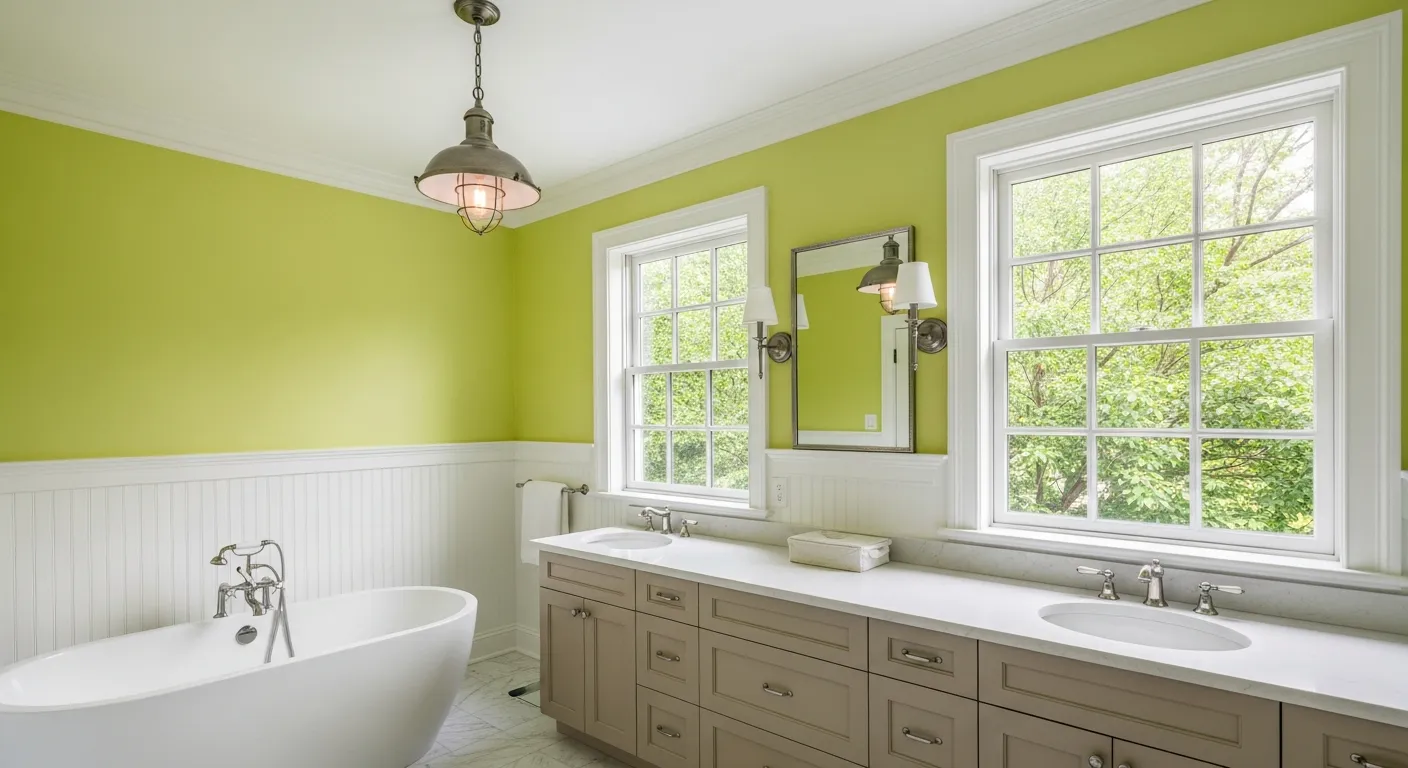
Green is the color of the Earth- the grass, trees, plants, shrubs, etc. It is associated with revitalizing energy and helps you feel rejuvenated. Make your bathroom a haven of self-care with green color paint, such as sage or pear green.
Turquoise
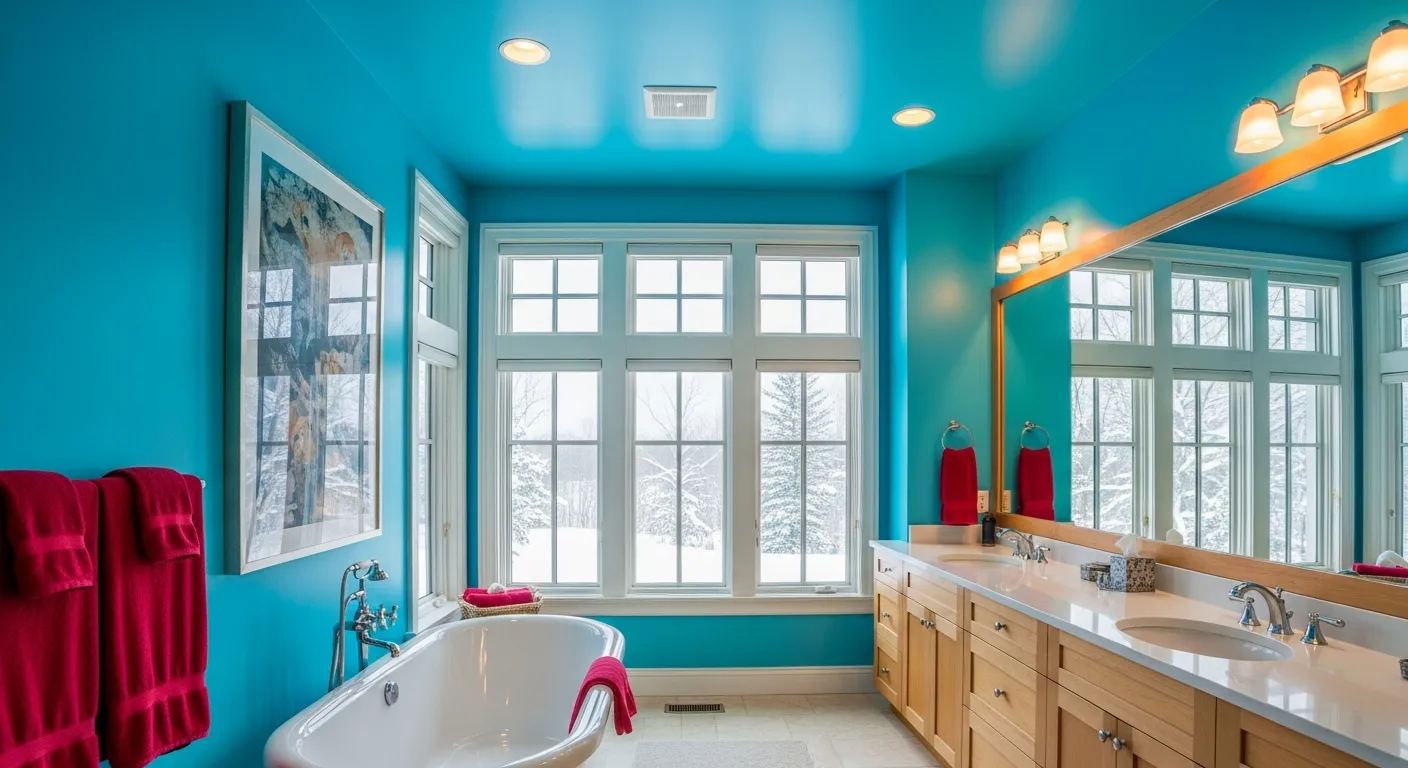
Turquoise is a mix of blue and green, and both are considered relaxing colors. This color pairs well with the coastal-themed bathroom that reminds me of a beachy getaway.
Violet
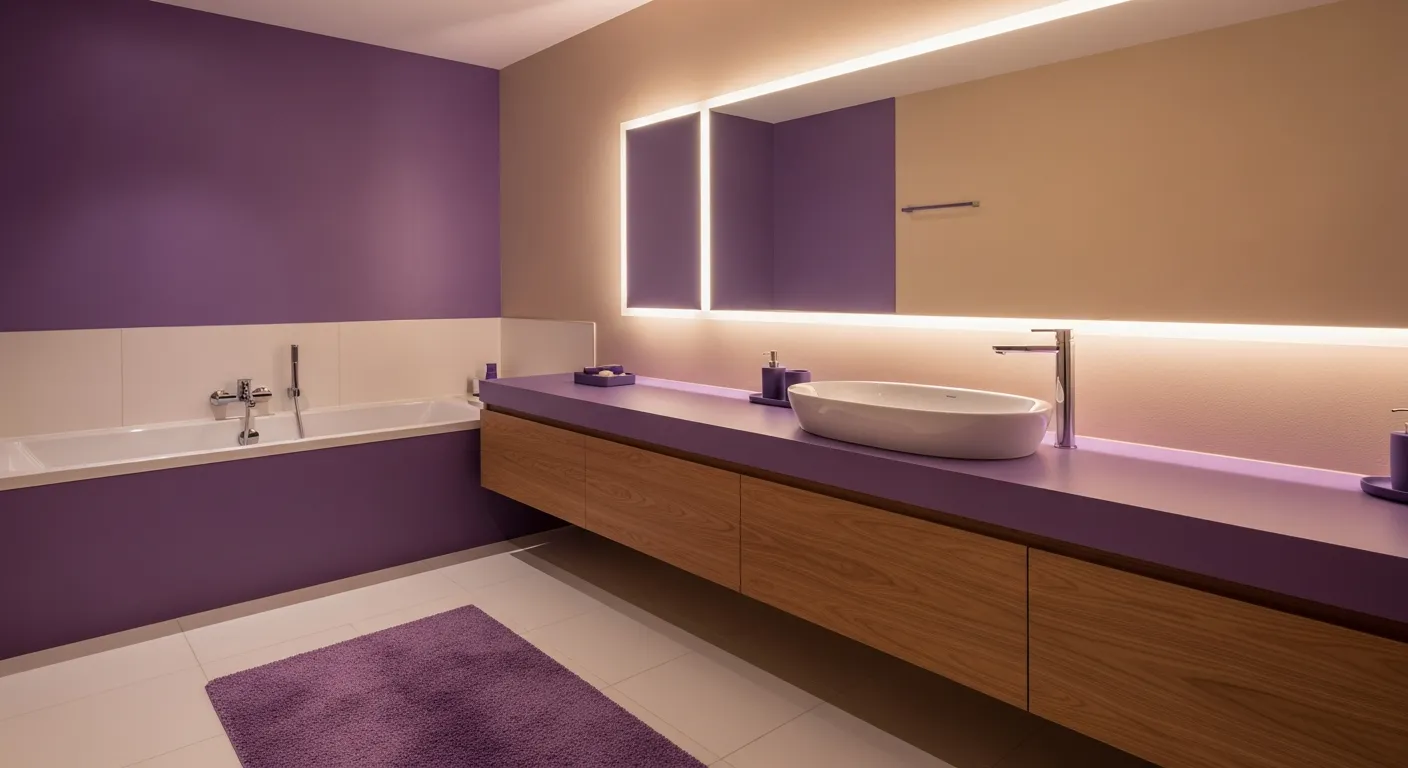
Violet brings nature’s most dreamy sights into your bathroom, for example, the Northern Lights, the midnight sky, etc. It is a beautiful choice to create a calm and soothing space.
Pink
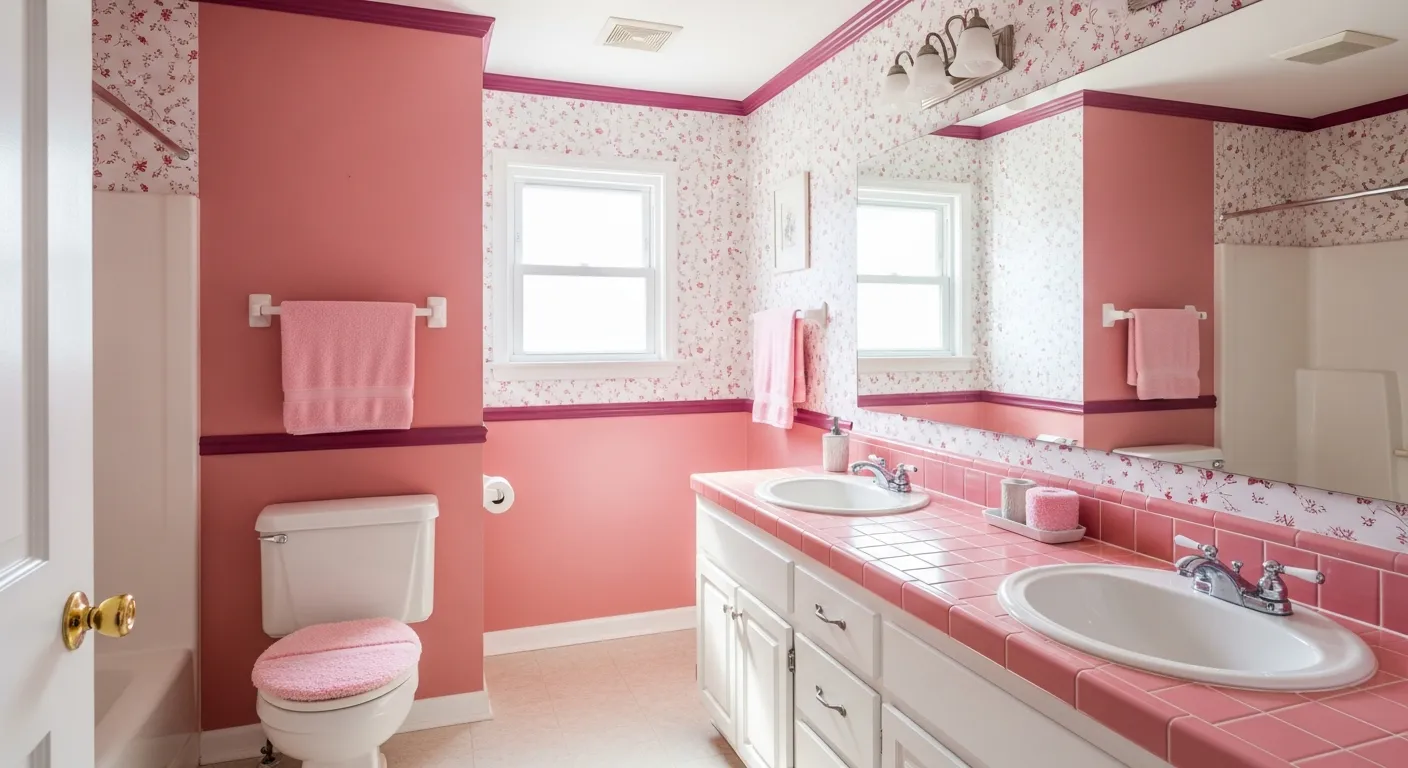
Although pink might seem too unusual for the bathroom, it is not. If you use the right shade and tone, such as dusty or rose pink, it can create a beautiful vintage look.
Which Bathroom Primer is Considered the Best?
Before painting the bathroom, the first step is wall prep. While preparing the wall for painting, consider thoroughly cleaning it. This helps remove any dust or debris accumulated on the walls. In addition, ensure to fill any cracks or gaps in the wall.
Once you are done with the wall prep, it is time to decide which primer is best for your bathroom. A good primer prevents the paint from peeling, bubbling, or cracking. Also, make sure to allow the primer to dry for at least 24 hours.
Bathroom Primer
Most primer brands offer primers, especially made for bathrooms, kitchens, or trims. These primers are designed for high moisture levels. Look for mildew-resistant properties that bond well to the high-gloss surface.
Mildew Resistant
Another option is mildew-resistant primers formulated for bathrooms with poor air circulation or no ventilation. These primers contain a mildewcide that encapsulates and kills them.
| Notes | Even though the primer is mildew-resistant, it is better to scrub the wall thoroughly with bleach and water to remove it. After cleaning, make sure to seal and throw away the cleaning materials. |
Drywall Primer
If you have a newly constructed bathroom, it is advised to pick a primer suitable for drywall. The drywall primers prepare the surface to accept paint for the first time. When painting, choose a sheen or finish based on your preferences.
All-Purpose Primer
All-purpose primers are best for various surfaces, be it new drywall, bathroom, exterior, or interior. Before using it, read the label and the instructions on the packaging. If you don’t understand, seek help.
What to Consider When Painting a Bathroom?
When you paint the bathroom, there are certain considerations to keep in mind, such as -
Bathroom Ceiling Paint
When painting the bathroom, ensure to select a suitable paint for the ceilings. This is because the warm air and steam rise and collect on the upper surfaces. Hence, it is advised to choose a paint with a high sheen, such as semi-gloss or satin. This is because it helps repel moisture while reducing the risk of mold and mildew growth.
Some paint manufacturers also offer ceiling-only paints for areas with high humidity, which help prevent stains and mildew buildup.
Painting Over Existing Paint
As said earlier, you must prepare the bathroom walls before painting them. You should clean the soap scum, mildew, or grime that might interfere with proper adhesion. After you remove the dirt and grime, sand the wall to enhance paint adhesion. Next, prime the walls and let them dry thoroughly to ensure the paint applies smoothly.
When to Hire a Professional Painter?
Bathrooms have several tight spaces, tricky corners, and surfaces that are exposed to heat, steam, water, etc. All these, in addition to mold and mildew growth, can make painting a challenging job. It is a wise decision to hire a professional painter for your bathroom walls.
Professionals can spot issues and fix them before they become bigger problems. Plus, they have all the necessary tools and equipment to paint, even in hard-to-reach nooks and crannies.
Conclusion
When painting a bathroom, it is best to choose a moisture-resistant paint that has a durable finish. Satin or semi-gloss works well, as does an acrylic or latex base. These paints do not peel or become damaged by mildew or water, and are easier to clean. The right paint can keep your bathroom looking fresh for several years.