
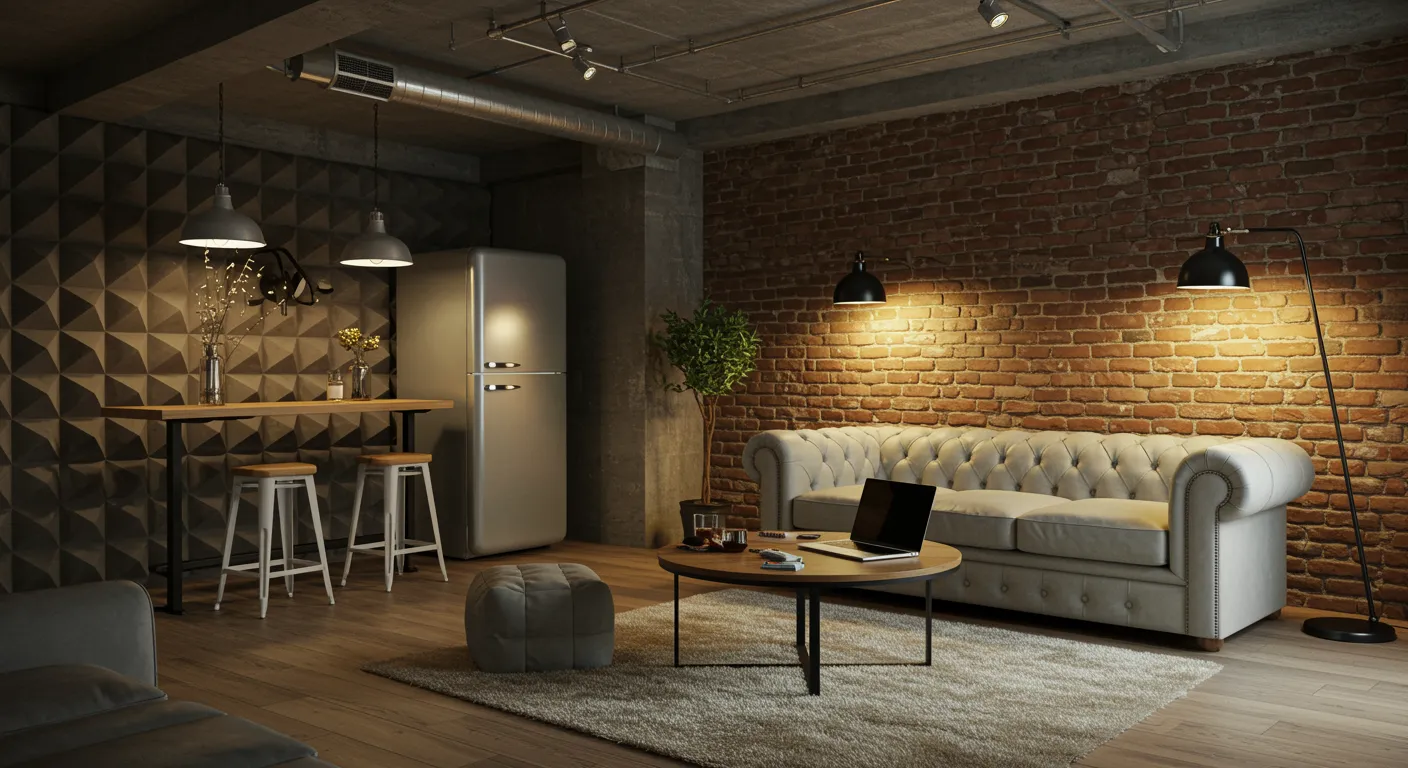
Home is the only place where we spend a serene moment away from the hustle and bustle of our daily routine. Indoor spaces should be free of external noise to ensure tranquility, as this is where we unwind after a hectic daily routine. All these raise a common concern among homeowners about how to reduce indoor noise. This article discusses multiple ways to soundproof rooms, along with the reasons for having a soundproof room.
Why is Soundproofing Important?
Sound travels through various media and produces noise as it strikes the medium, disturbing the peace indoors. Whether you want to sleep, study, watch tv or practice music, it all requires serenity. High noise levels can cause stress, fatigue, and make it difficult to focus on work. Here are the other reasons why soundproofing is required.
- It ensures comfort and well-being.
- It contributes to elevating the aesthetic element.
- It improves focus, which makes you more productive.
The Best Options to Soundproof Your Rooms
The reasons for soundproofing can differ for homeowners, but the methods remain the same. This is because the final destination for all homeowners is to soundproof a room or the entire home. Here are the ways:
Lay a Thick Rug Pad on the Floor
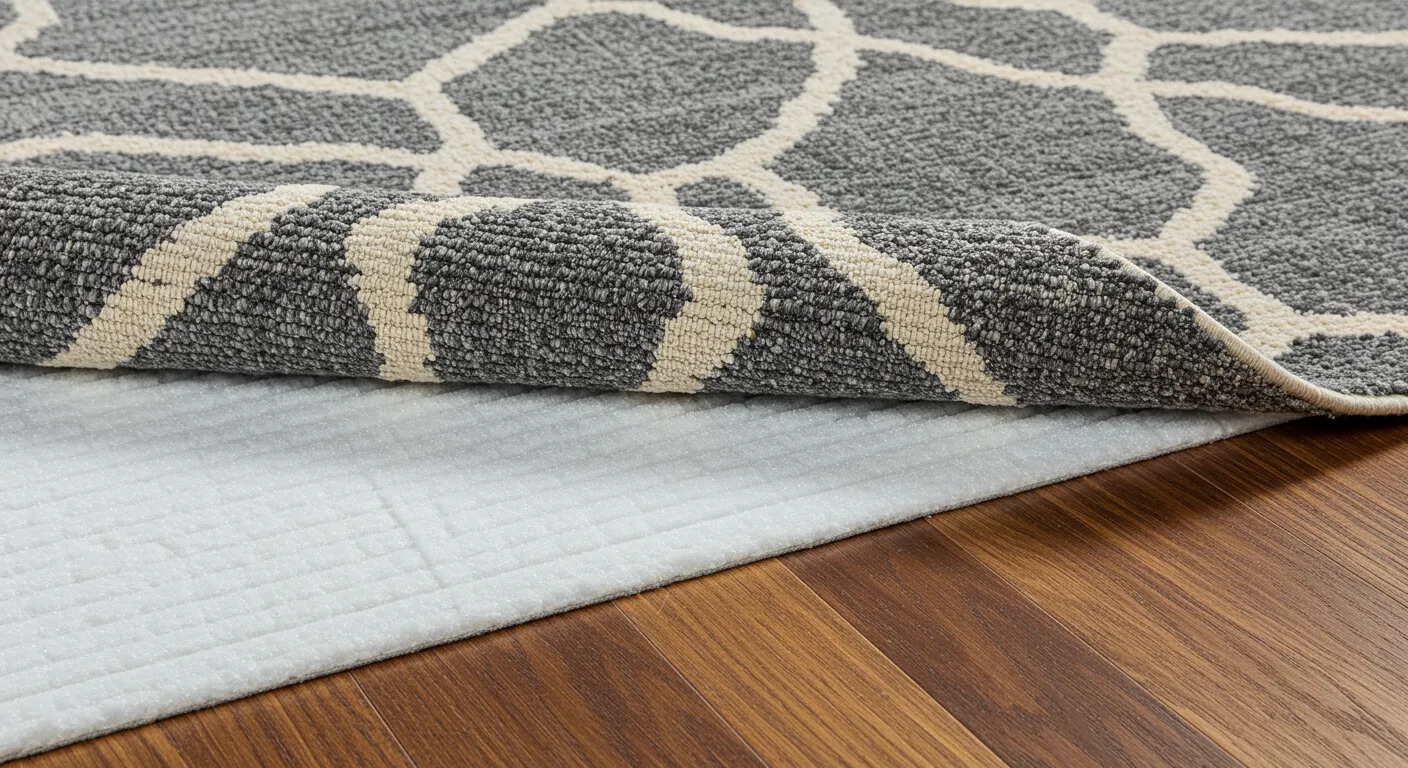
An acoustic foam floor beneath the rug is an effective way to dampen the sound. It absorbs sound from speech or music or traps sound waves. The other option is to cut an old rug pad and place it under the sofa, bed, or any other furniture.
Install Acoustic Panels
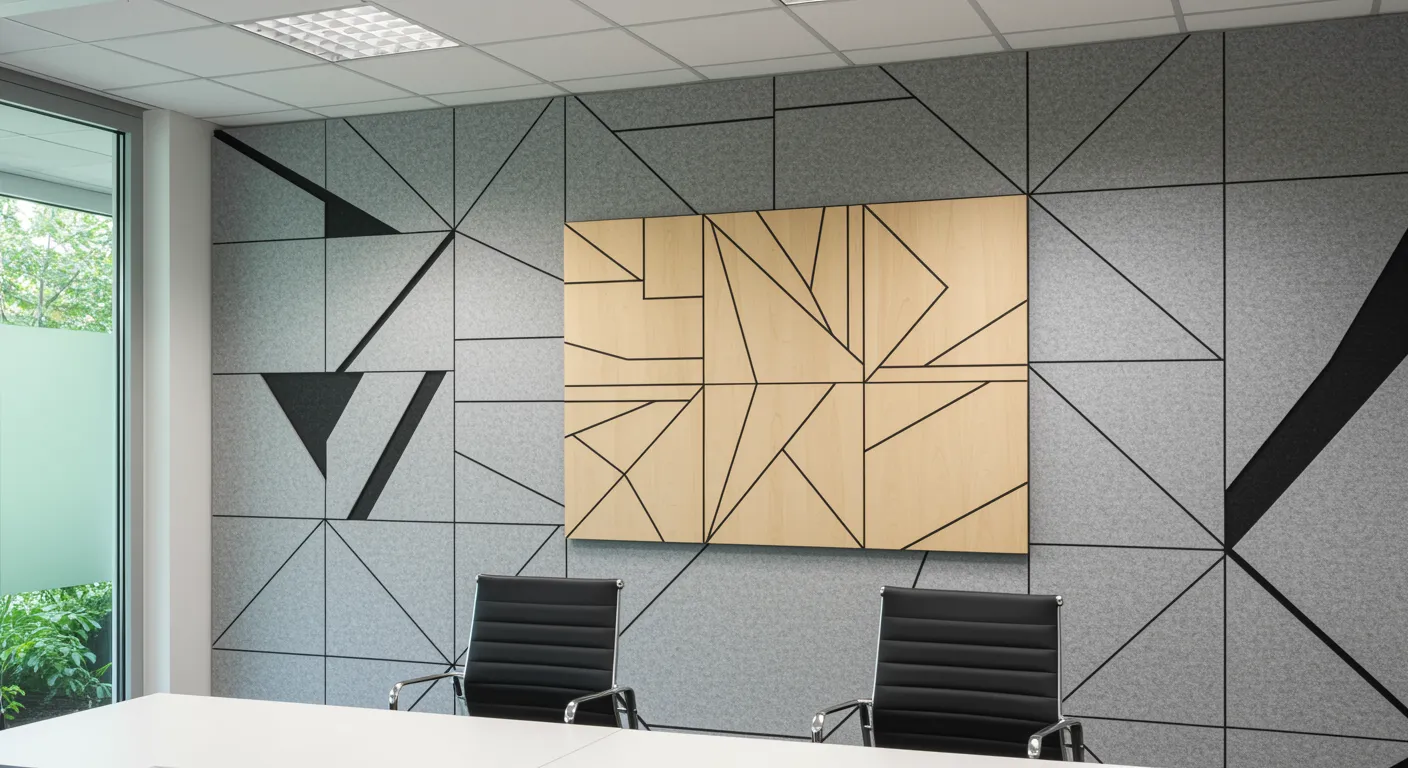
These panels serve a dual function: transforming a blank wall into an artistic corner and absorbing sound. These panels are available in various designs, textures, patterns, and colors that bring style to the room. Acoustic panels are best suited for living rooms to create a peaceful ambiance, offices to support peaceful, focused work, and hospitality spaces to extend a warm, comfortable experience to customers.
Acoustic Roll
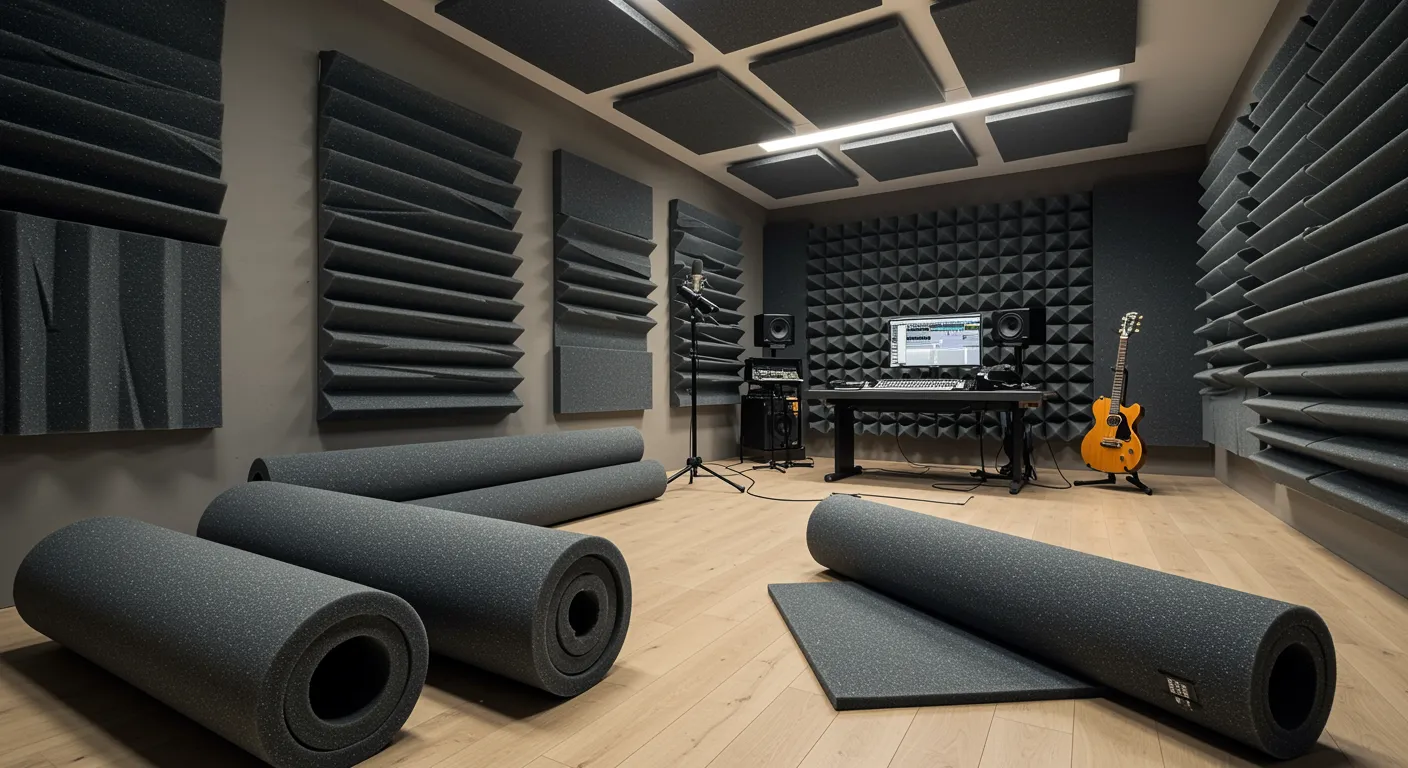
Yet another idea of soundproofing the room is using acoustic rolls. These rolls can be hung on walls or ceilings, and even attached to the floor. It is an ideal choice for home recording studios, practice rooms, or any other room. The best thing is that these rolls can be cut into any desired size.
Use a Bookshelf as a Wall Divider
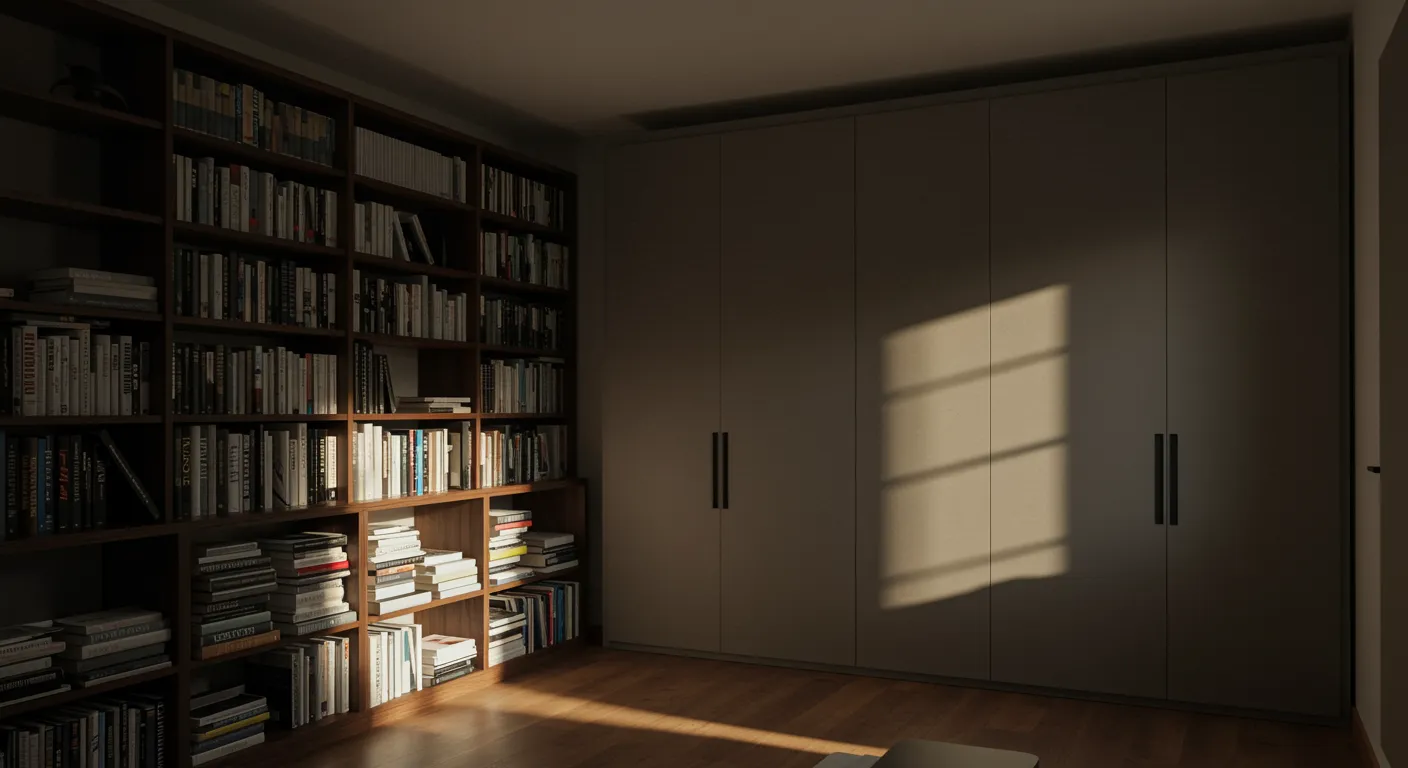
Using a bookshelf or a large piece of furniture, such as built-in wardrobes, along the adjoining walls can prevent sound from entering the room. It happens because bookshelves full of books and clothes piled up in the wardrobes dampen the noise.
Window Treatment
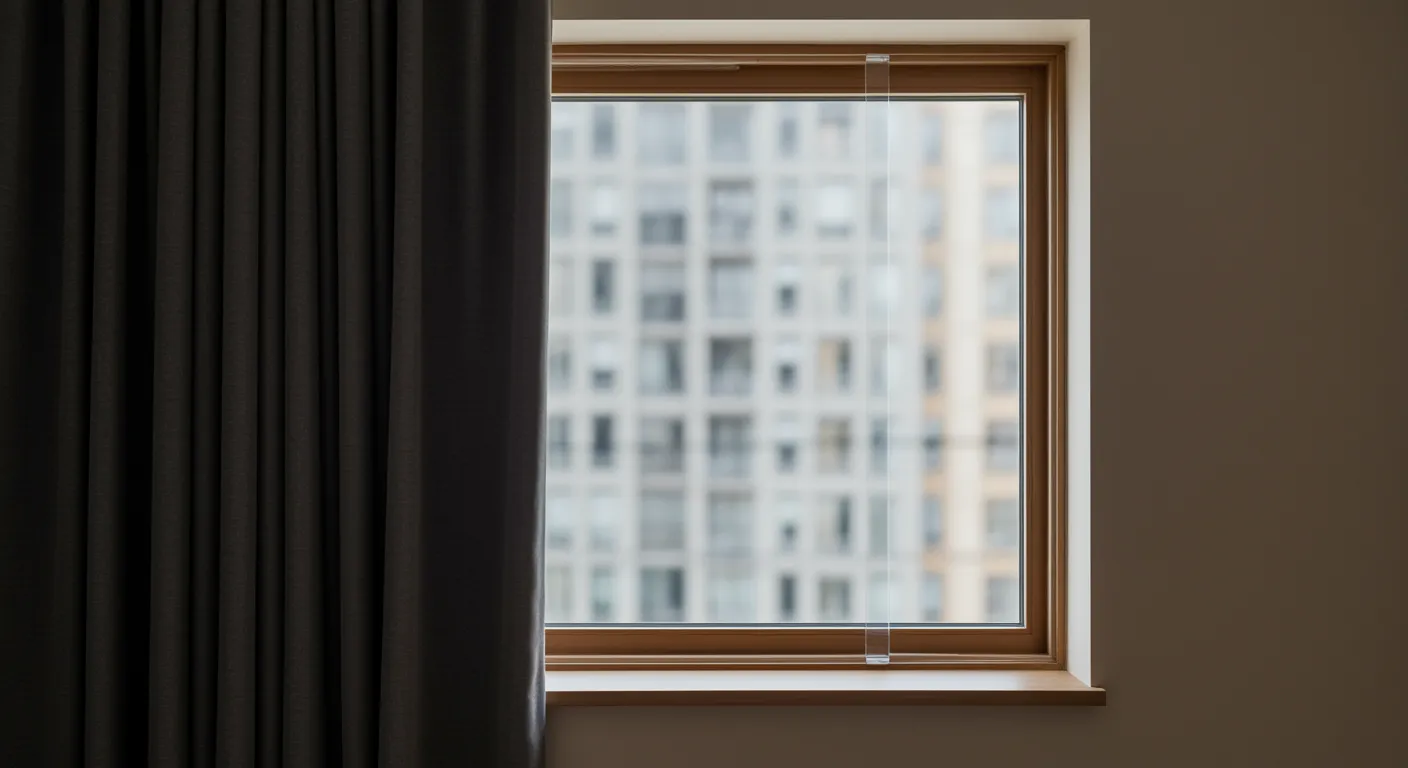
Curtains can help reduce noise levels significantly, so hang thick curtains or those designed to reduce noise. These curtains may not completely block the sound, but they can reduce it to a mild level that won’t seem irritating. The other option is to buy a window insert, a thick panel of glass or acrylic designed to improve insulation. It helps curb the noise pollution.
Sound-Absorbing Rugs

Soft furnishings, like rugs, soften the space and make it feel warm. However, placing a sound-absorbing rug not only softens the space but also traps sound. These rugs can be used in offices where focus is key, in children's play areas, or in restaurants where customers come for a peaceful dining experience.
A Vintage Hand-Woven Rug
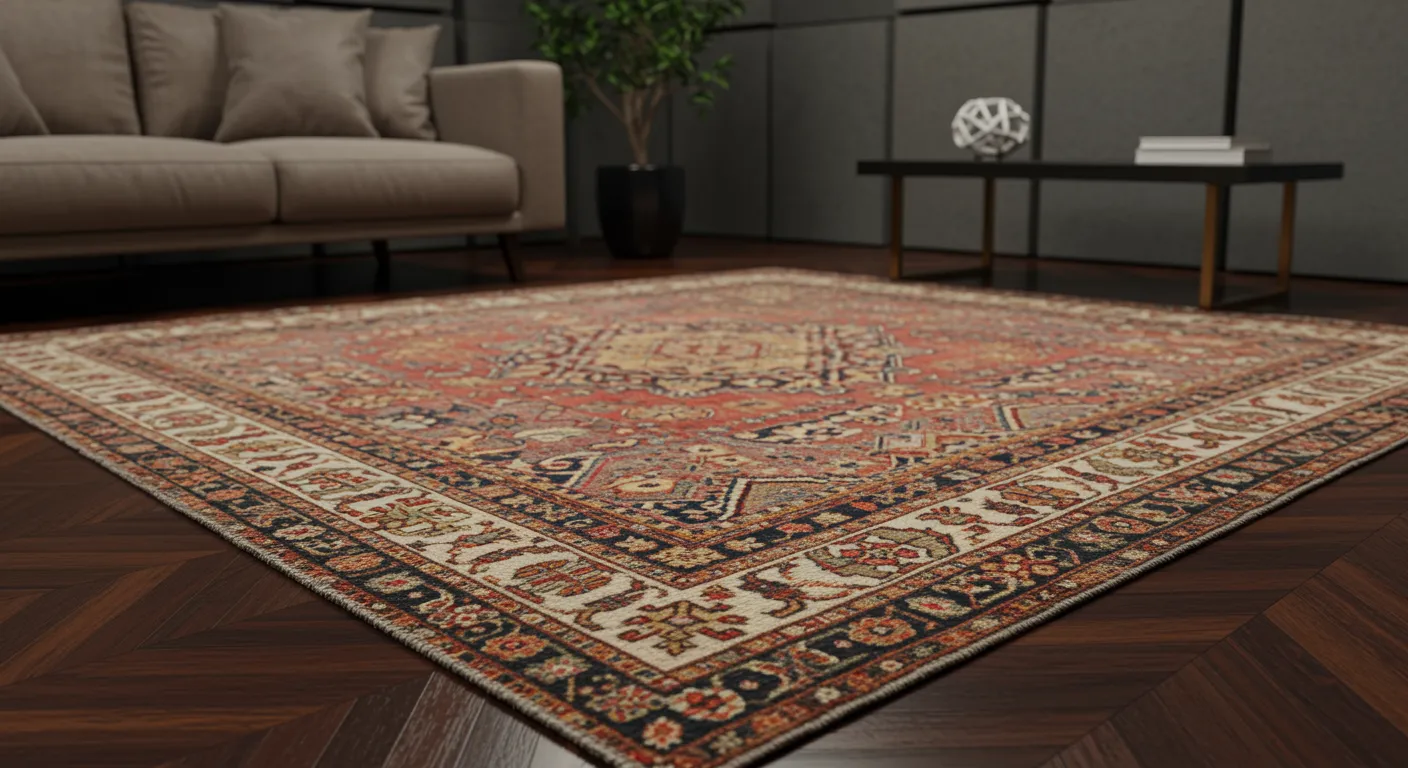
Selecting a tightly woven rug can easily reduce the sound. All you have to look for is higher KPSI ( knots per square inch) in a rug because such rugs dampen the sound better. The best rugs are vintage handwoven Turkish, Persian, Moroccan, or Tibetan rugs for reducing noise.
Plant Hedges and Shrubs

A natural way to reduce noise is planting shrubs and hedges between rooms, windows, or neighbors' houses. All that matters is the placement of these plants.
Window Film
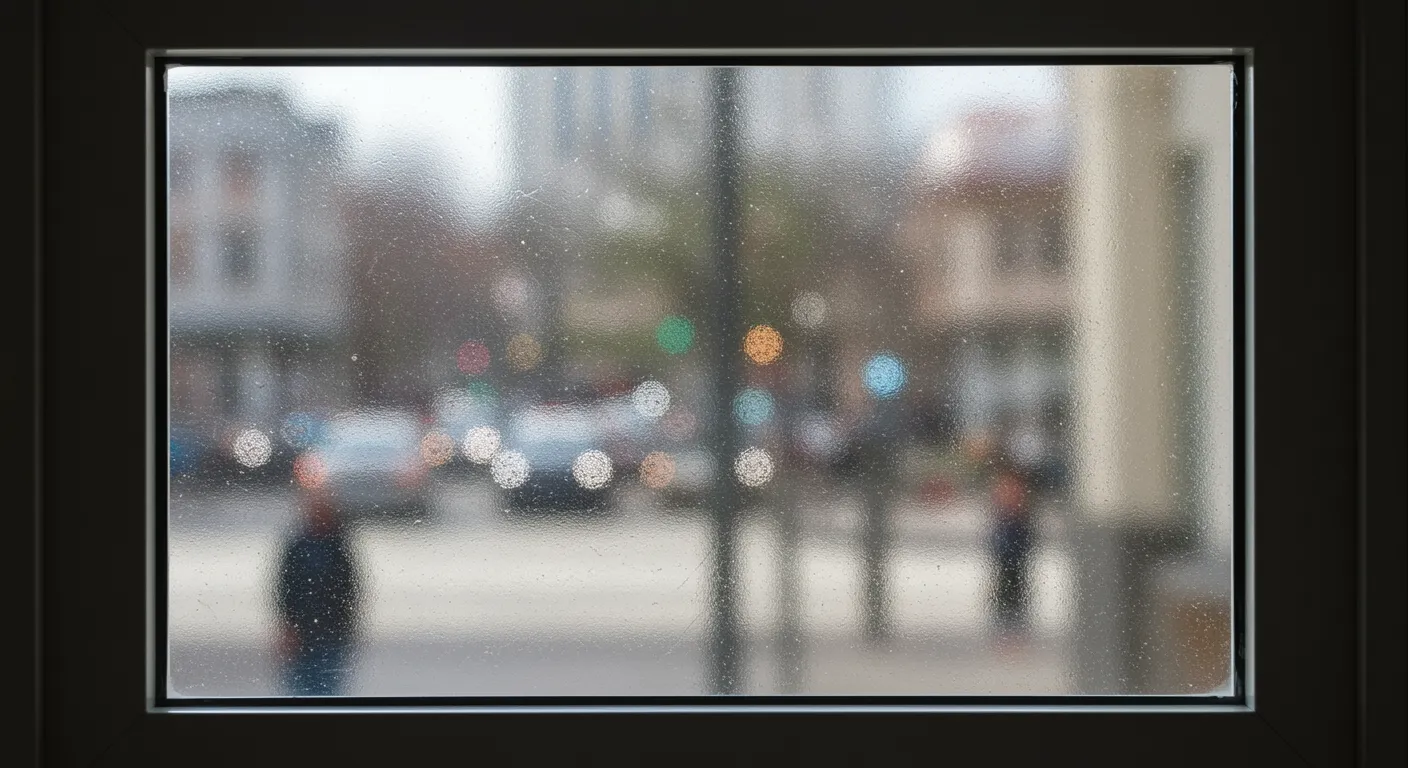
This is an affordable and effective soundproofing method. It’s a special film that is applied to the windows to reduce noise. However, it distorts the clarity of the glass.
Noise Reduction Windows
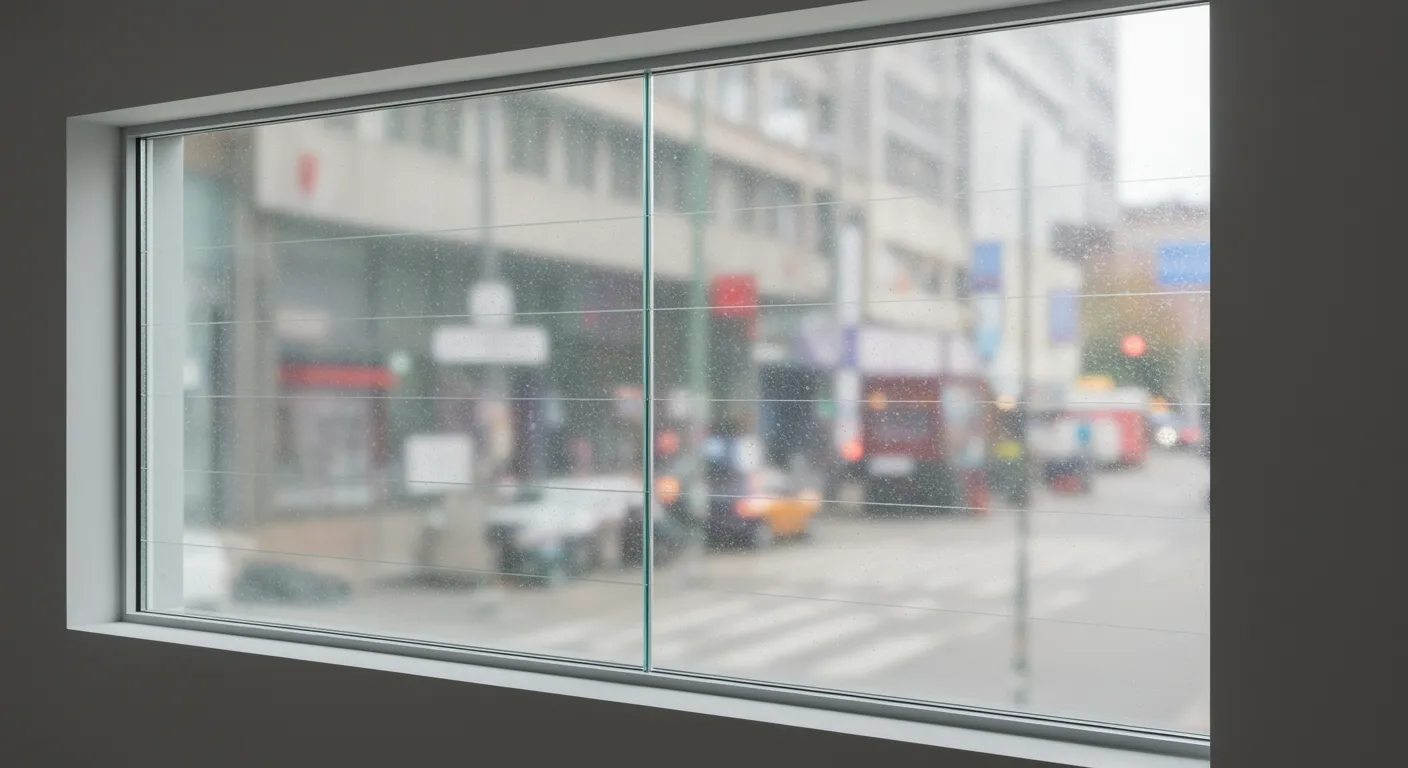
There are windows that are available with specialist glasses to control the sound waves. When soundwaves travel through the windows, it reduces the noise.
Wooden Shutter to Act as a Noise Barrier
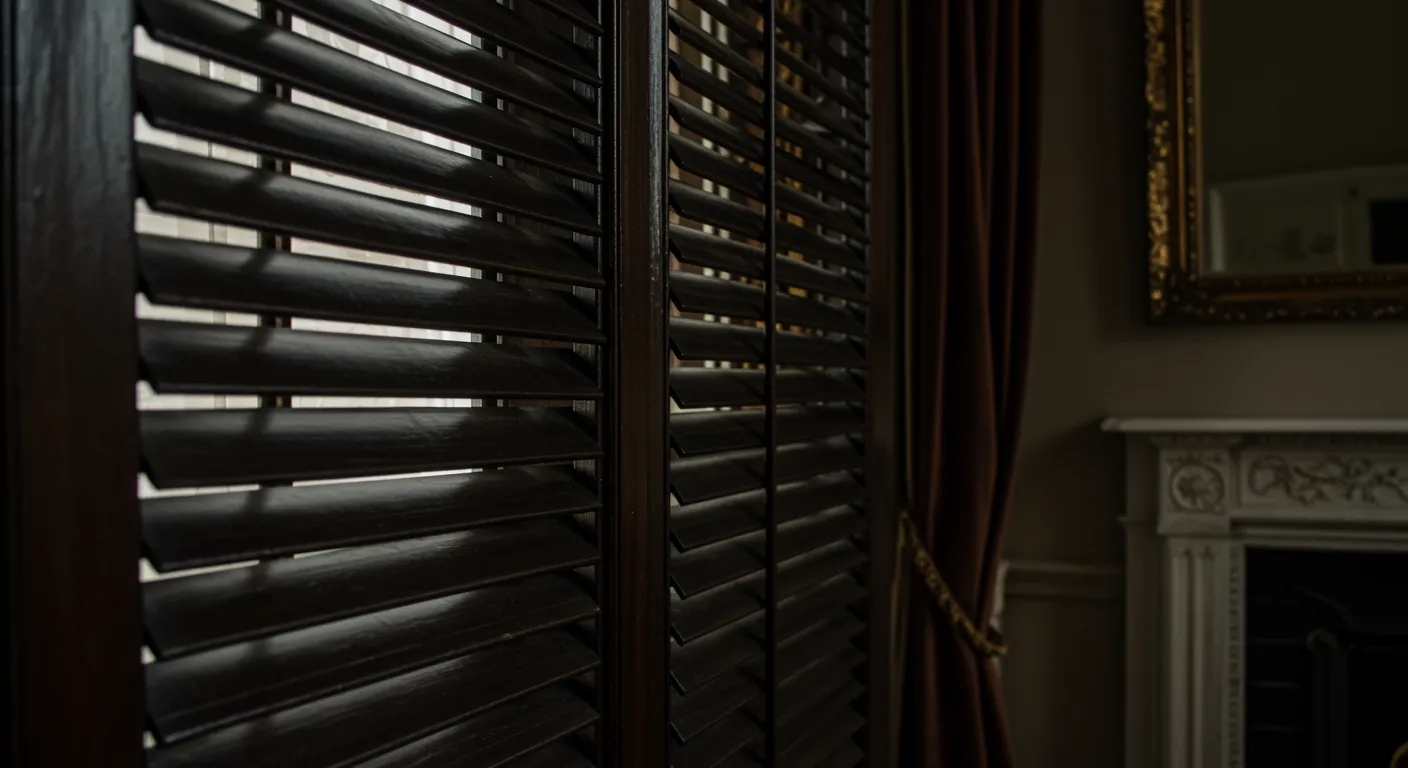
Though this idea was prevalent in Georgian townhouses to reduce the clatter of horses' hooves on cobbles, it is still used by many homeowners to reduce the sound. Wooden shutters act as a sound barrier and are highly effective.
Install Door Sweep
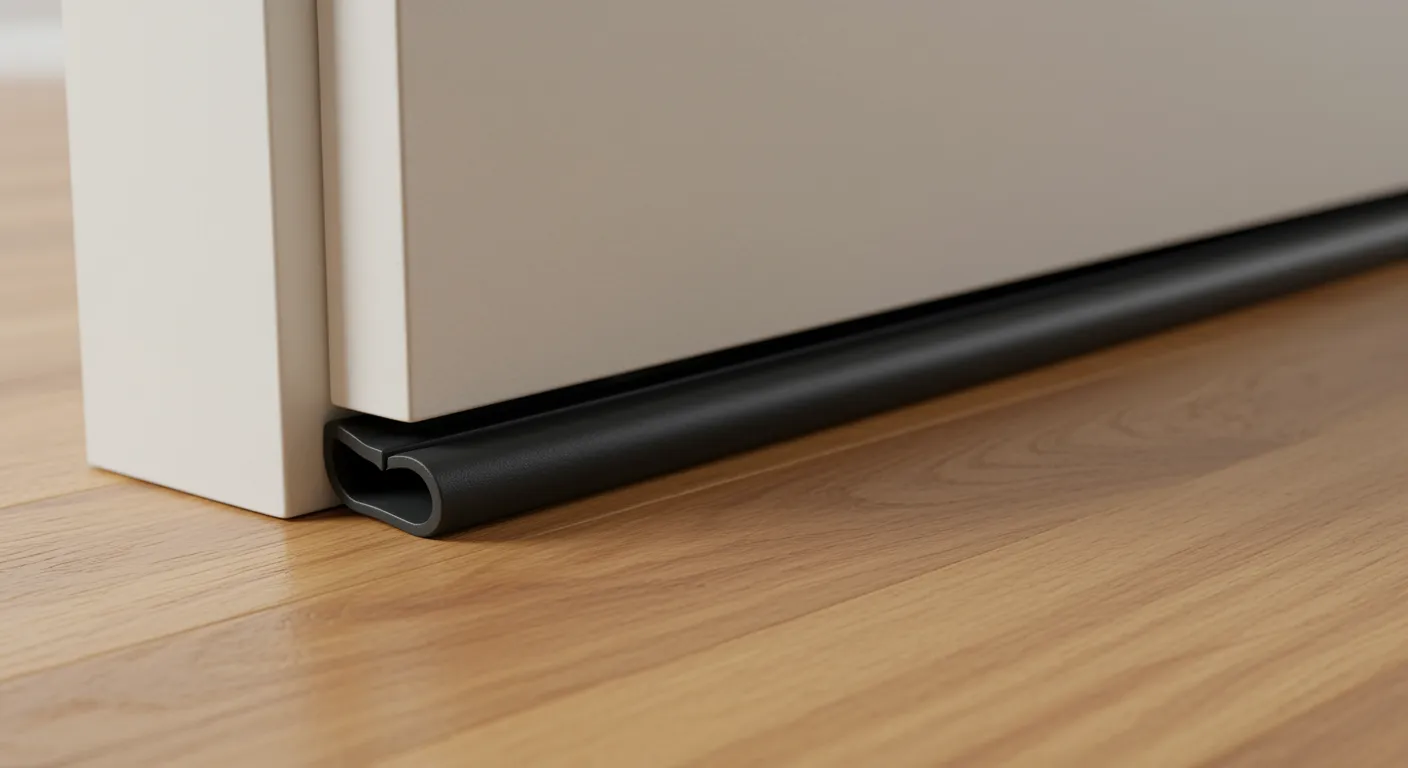
Any crack in the door is one medium through which sound travels from one room to another; installing vinyl, rubber, or polyester door sweeps can act as a sound barrier.
Conclusion
Soundproofing a room requires a strategic placement of items like rugs, curtains, wall panels, shrubs, or hedges. A peaceful ambiance is what most homeowners look for to relax after a hectic daily routine.