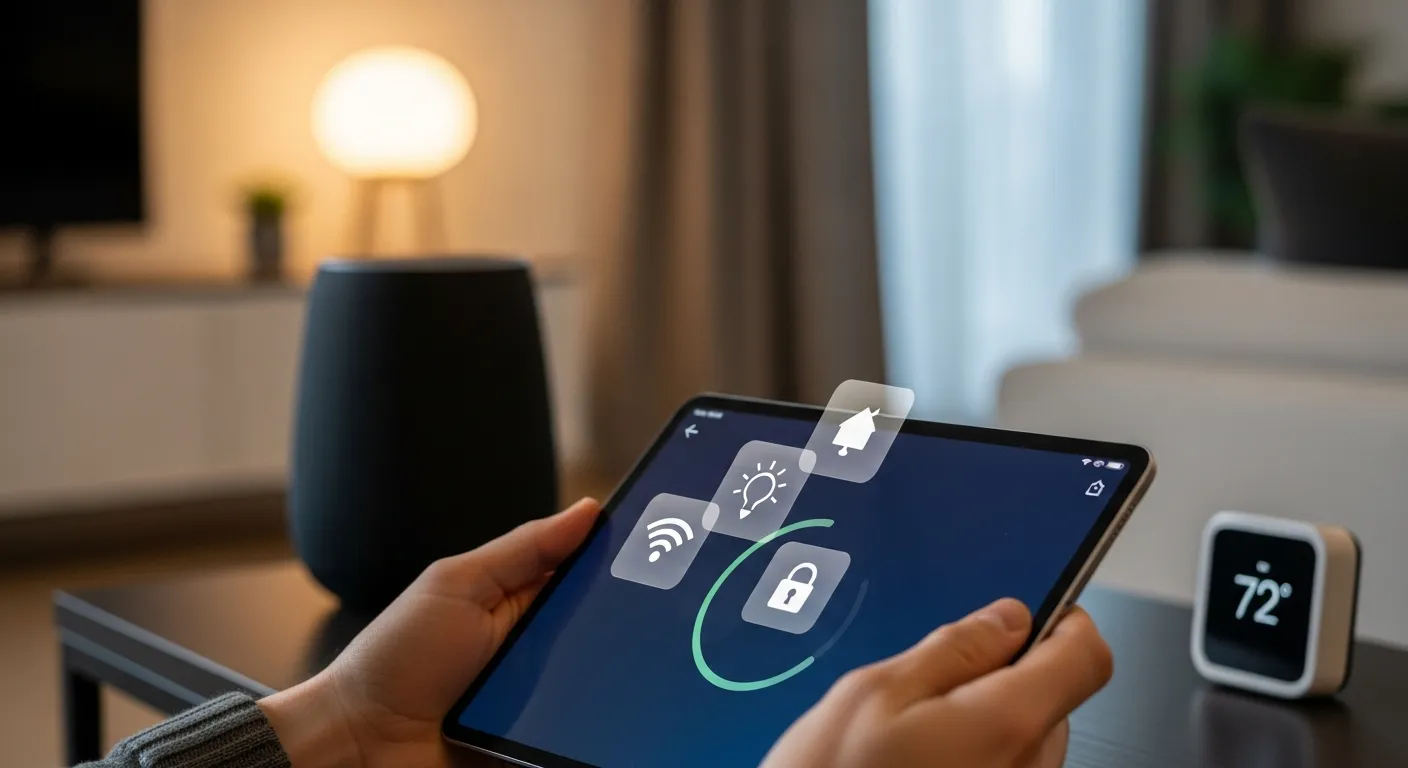
Technology has evolved over the years, and it continues to change. Similarly, the requirements of the home also change over time, as does the need for automation. From controlling fans with a single tap to opening curtains in the morning without even getting out of bed, smart homes are now becoming an everyday part of life. But what actually is a smart home, and why are many people upgrading their homes with smart technology?
This blog explains what a smart home is, its basic components, how smart home automation works, and the benefits of turning your home into one.
What is Smart Home Automation?
A smart home connected to a number of systems for managing core functions automatically or for easy user commands is called smart home automation. Automation responses may depend on factors such as programming, occupancy, time of day, or user preferences.
Instead of operating each device separately, smart home automation ensures that multiple devices function smoothly together.
Components of a Home Automation
There are three main components of home automation. They are as follows:
Sensors
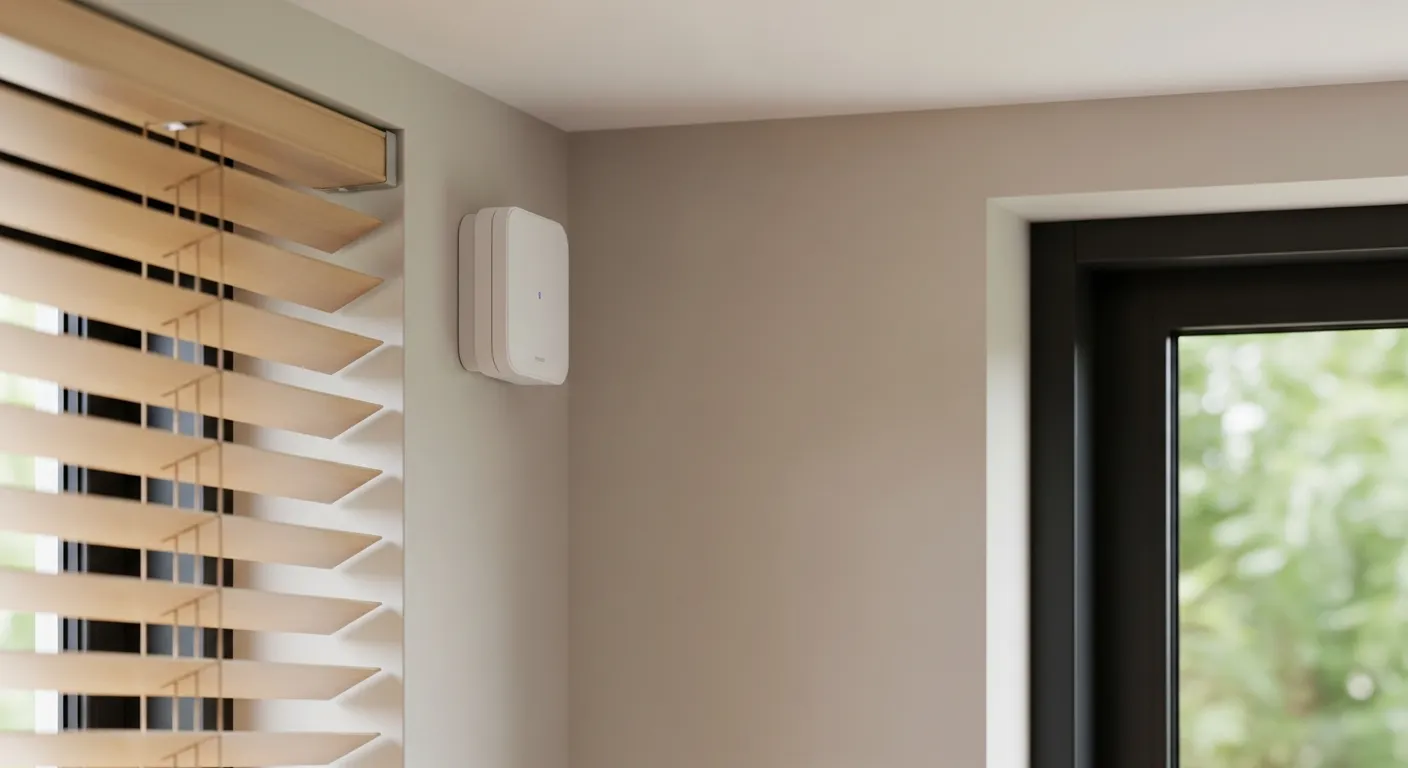
Sensors monitor environmental changes in your home, such as daylight, motion, and temperature fluctuations. As required, the system adjusts its settings.
Controllers
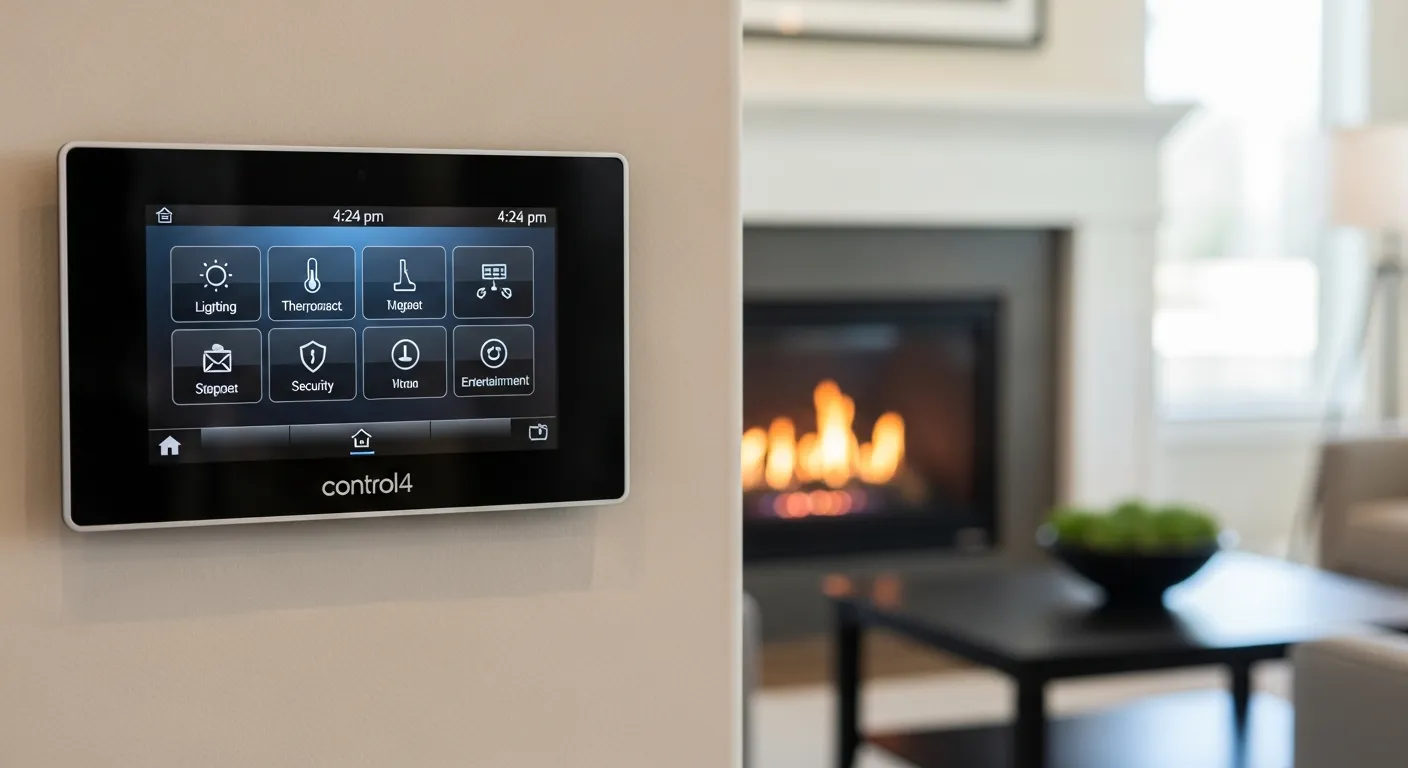
Controllers are devices like smartphones, tablets, or personal computers. The main function of controllers is to send and receive signals to operate automated appliances in your home.
Actuators
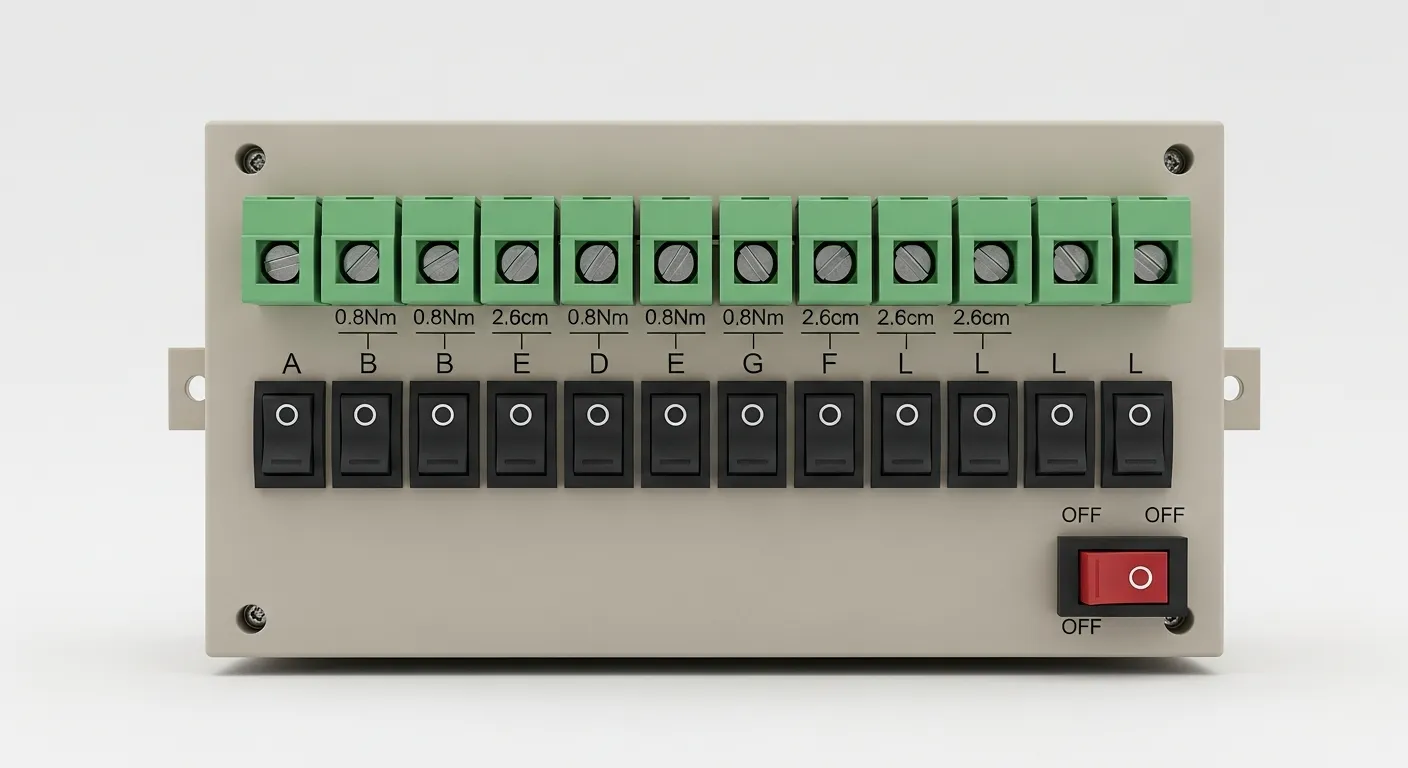
Actuators are motors, switches, or motorized valves that manage the functional processes of the entire system.
How Does Home Automation Function?
A home automation system mainly consists of three components: a hub, a network, and devices.
- Hub: The hub's function is to issue commands.
- Network: The network carries this command's communication via WiFi to the device.
- Device: The device executes the command to achieve the intended outcome.
Therefore, once your home automation system is structured, you can use a mobile app to set your commands or schedules. You can then change or control them wherever you want. Once the system is set up, you can stay worry-free with minor tasks like turning on the air conditioner, dimming the lights, and more.
Benefits of Smart Home Automation
Smart home automation has several benefits. They are:
Provides Remote Access
It allows you to access your devices even from a remote location; therefore, you can control your home even when you're away.
Easy Accessibility
It allows you to modify your home with ease and accessibility.
High Security
Automated security devices, such as fire detectors, pressure sensors, and motion sensors, provide high security and safety.
Efficient Energy Management
You can easily schedule your devices to operate whenever needed. For example, you can schedule your lights to turn off automatically when they're not in use. This will minimize electricity wastage and reduce your energy bills.
Small Steps to Modify Your Home Into a Smart Home?
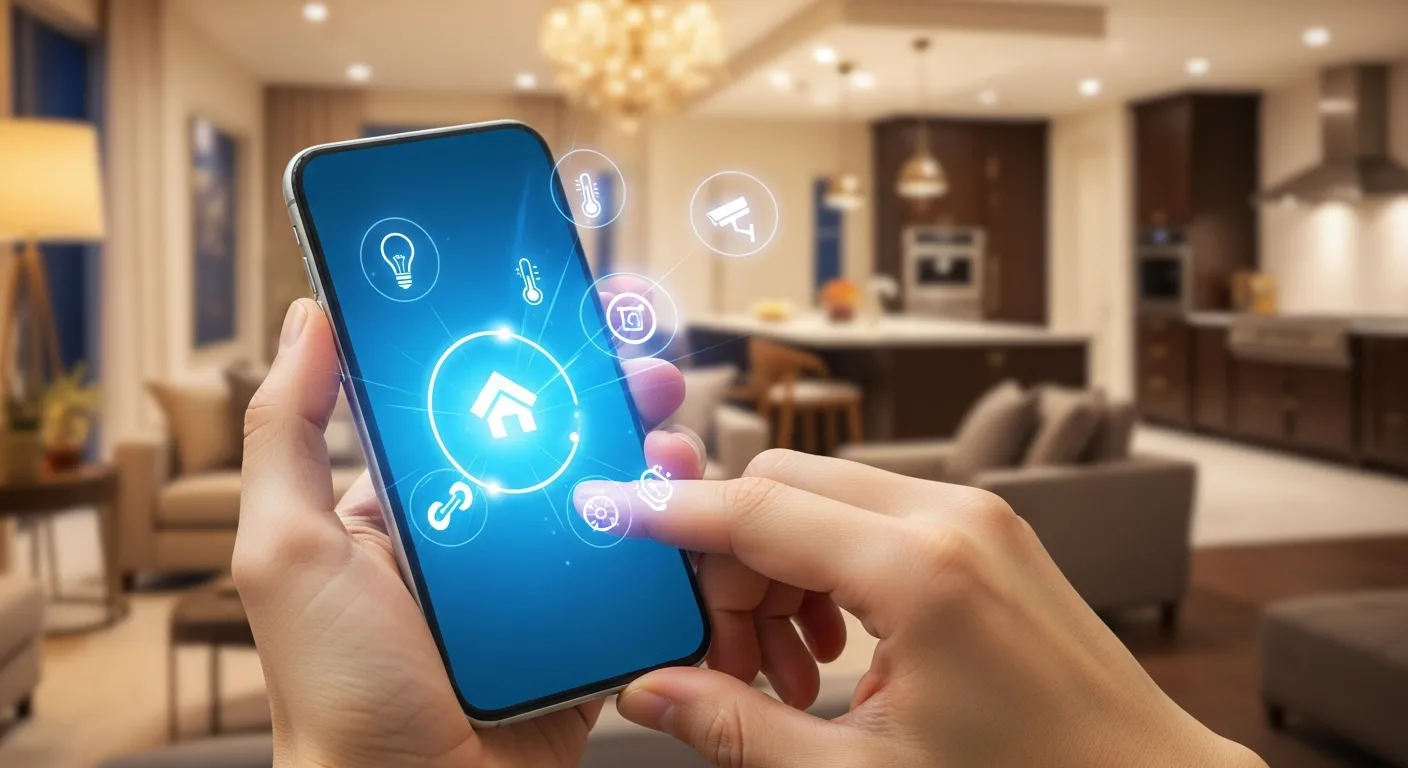
It doesn't take high technical knowledge or major changes to turn your home into a smart home. Depending on your needs, you can start with a few simple upgrades and expand the system gradually over time.
- Start the automation process in the areas you use most, such as lighting, fans, or security.
- Replace old switches with the modern smart touch switches and connect them to a mobile app.
- Replace your old plugs with smart plugs.
- Add automated curtains.
- Incorporate smart locks.
- Install Wi-Fi for scheduled, automated tasks like turning off the lights and opening the curtains in the morning.
Is It Difficult to Use a Smart Home?
Many homeowners think that it is difficult to use a smart home, but smart homes are actually designed to be user-friendly. Most systems in a smart home are easy to install and simple to operate via mobile apps.
It is easy to understand the smart home interfaces. Once you've completed setting up your smart home, you'll need less manual control. Therefore, a smart home is effortless to use even for non-technical users.
Conclusion
Smart home automation makes everyday life easier, efficient, and comfortable. Even with simple upgrades, you can enjoy better comfort, save energy, and control your home.