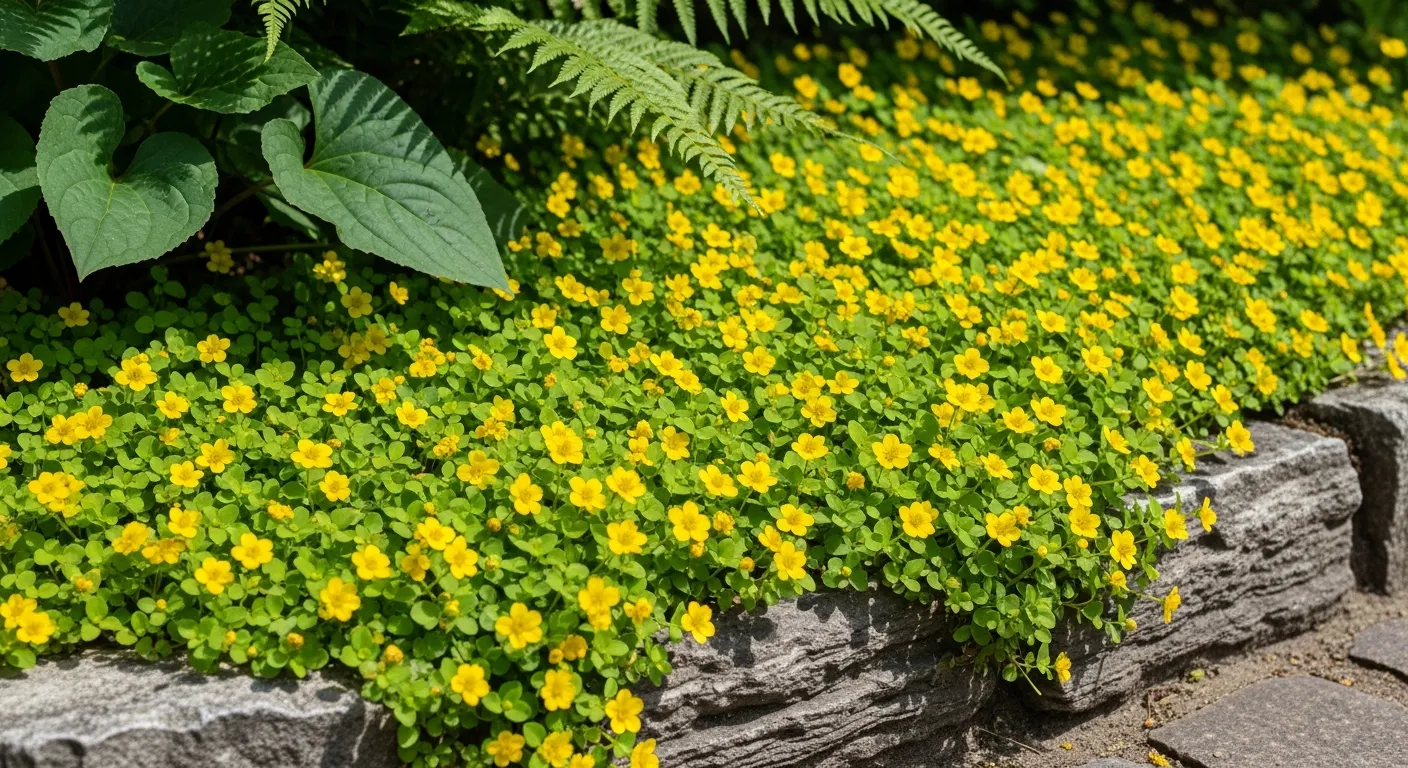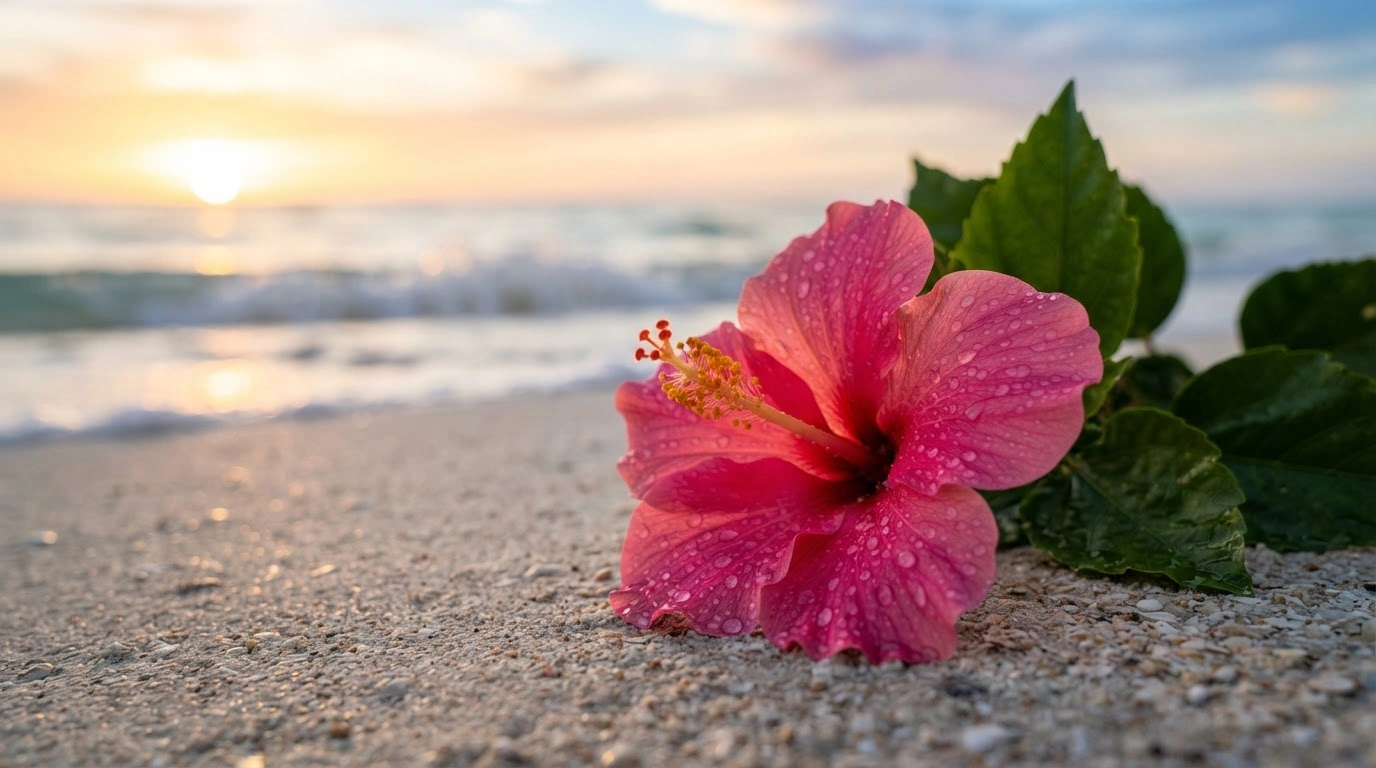
Beachy flowers are flowering plants that grow in coastal regions that offer conducive environments, such as salty air and shifting sands, for them to thrive. You may find fragrant, colorful flowers on rocky cliffs or sandy beaches, adding a hint of vibrancy. Do you wish to bring home such beachy flowers to transform your garden into a unique space? This blog will showcase some of the beachy flower options that can fill the garden with their distinct shape, size, and color.
Best Tropical Beachy Flowers for Your Garden
Here is a list of beachy flowers that you can welcome home to adorn your garden.
1. Blanket Flower (Gaillardia spp.)
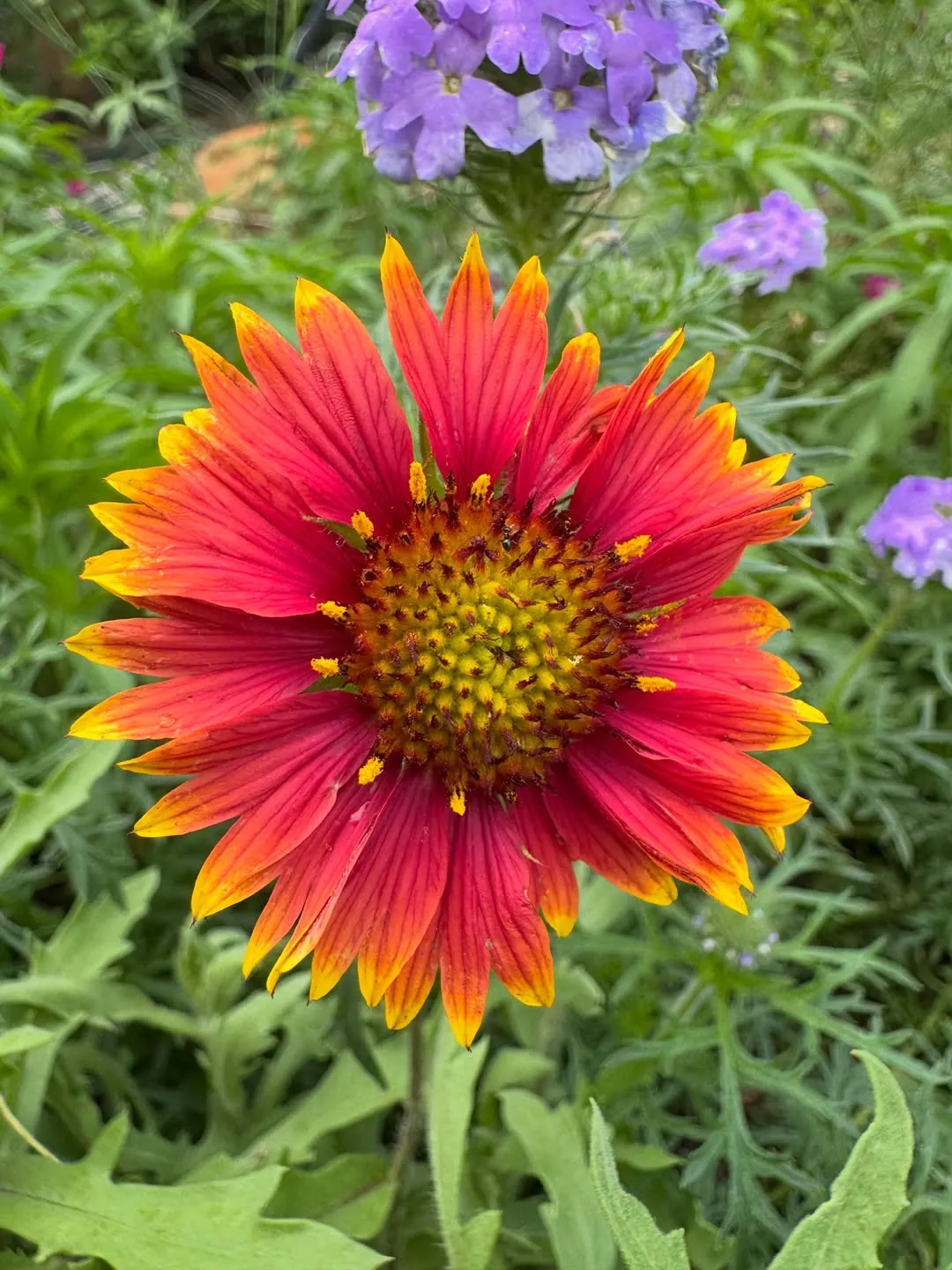
This tough, resilient coastal garden flower spreads a vibrant blanket of color across your landscape. It is best suited for the beach because it can tolerate intense sun, strong winds, and grows in sandy soil. The soft and fuzzy coating of the leaves protects the plant from drought and salt. The red and golden flowers attract pollinators from spring to fall. Moreover, blanket flowers are a great addition to your garden if you wish to introduce bright colors with minimal maintenance.
Plant Height - 12” to 24”
Sun Requirements - Full sun
Hardiness Zones - 3 to 10
2. Beach Sunflower (Helianthus Debilis)
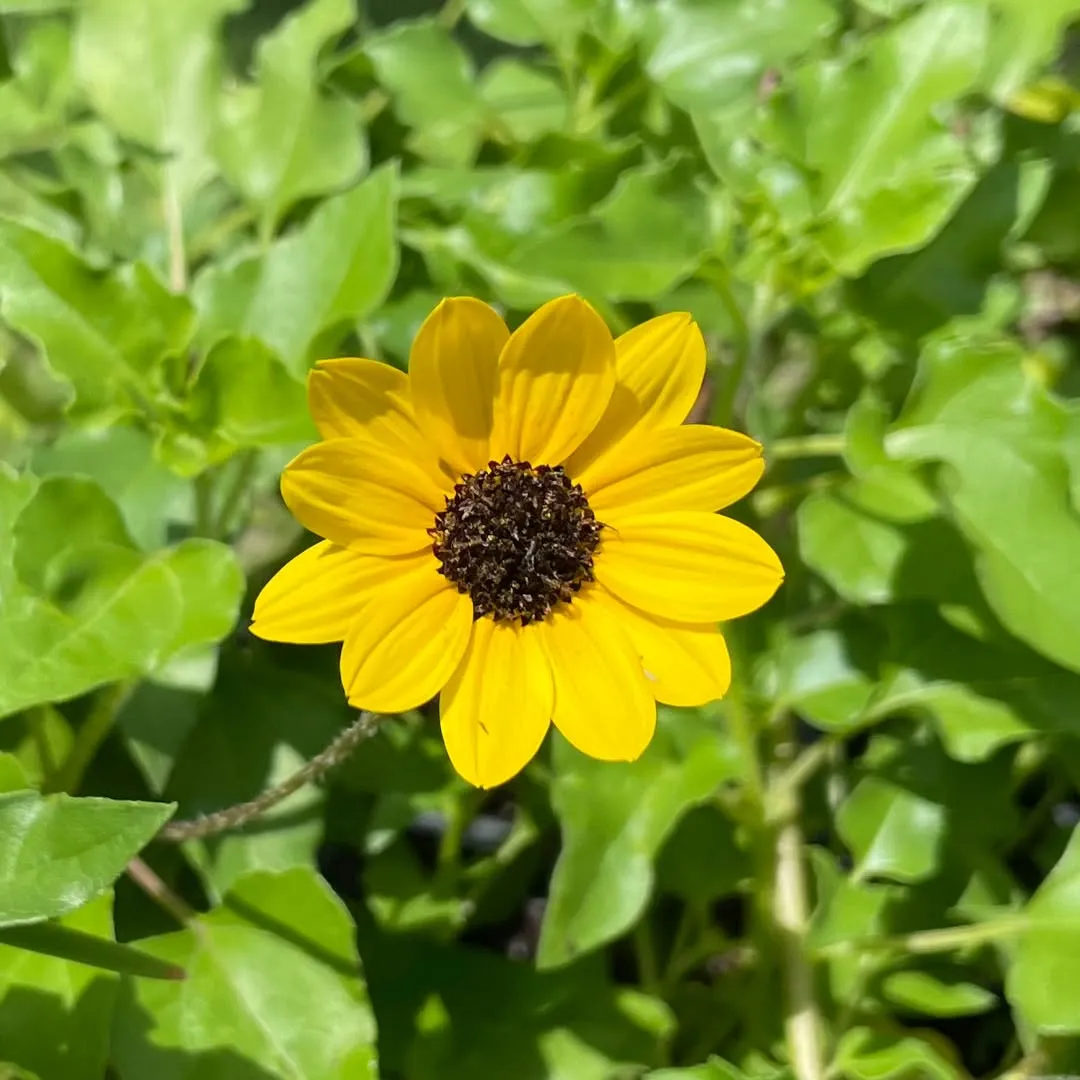
As the name suggests, this is a highly dependable coastal garden flower, popular along the Atlantic and Gulf coasts that grows fast and thrives in heat, wind, sand, and salt. The daisy-like golden flower will offer an attractive ground cover in your garden throughout the year under warmer conditions. The coarse and fuzzy foliage of the beach sunflower protects the plant from salty air, while deep and sturdy roots stabilize dunes, preventing erosion.
Plant Height - 1" to 3"
Sun Requirements - Full Sun
Hardiness Zones - 8 to 11
3. Lantana (Lantana spp.)
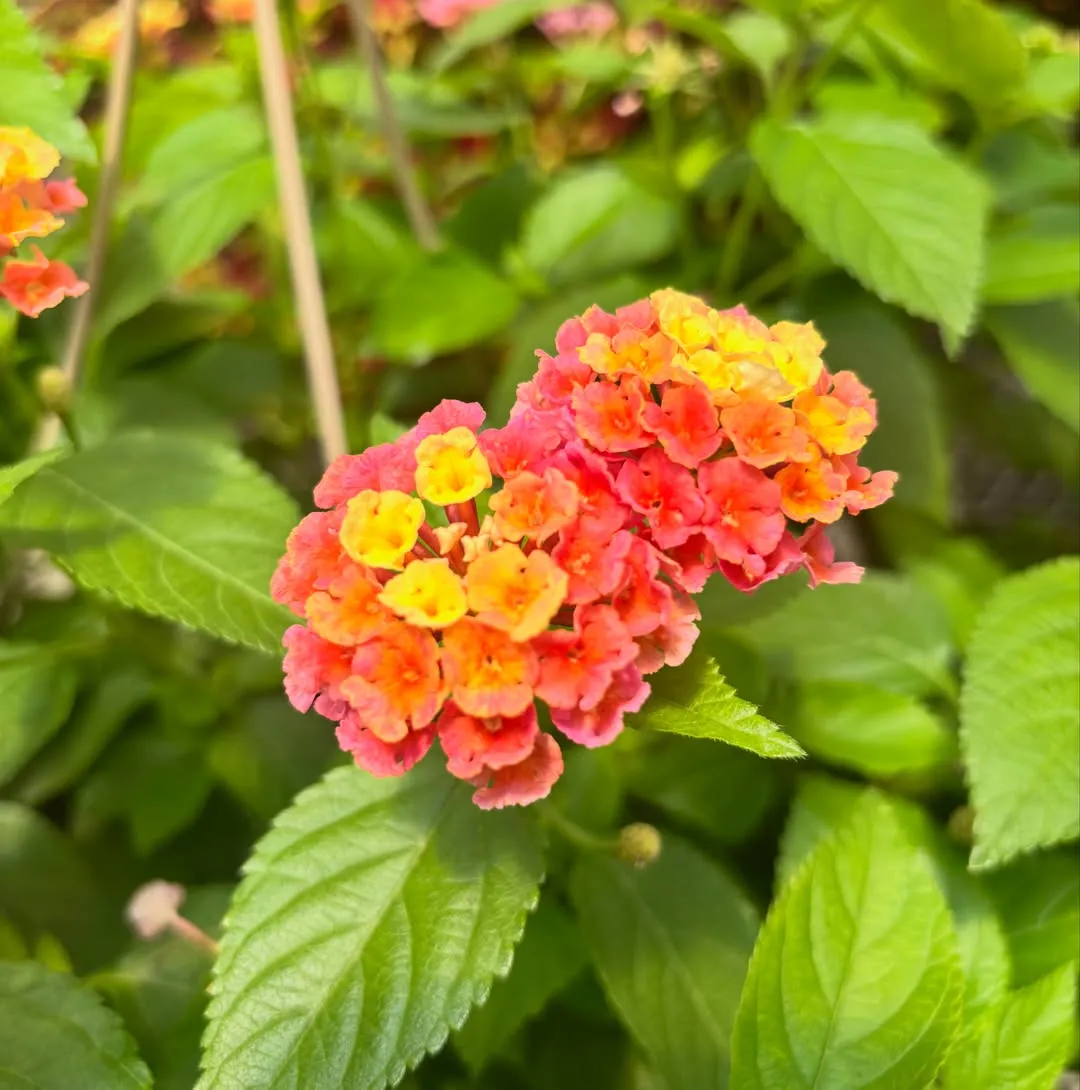
Thriving in heat and drought, Lantana adds vibrant flower clusters to your coastal garden, attracting butterflies and pollinators throughout a long blooming season. Choose a native species of this plant to either offer an attractive ground cover to your coastal garden or to adorn your landscape with small shrubs. The aromatic leaves of the plant are coarse in texture to tolerate drought and salty air.
Plant Height - 1" to 6"
Sun Requirements - Full Sun
Hardiness Zones - 8 to 11
4. Sea Lavender (Limonium Carolinianum)
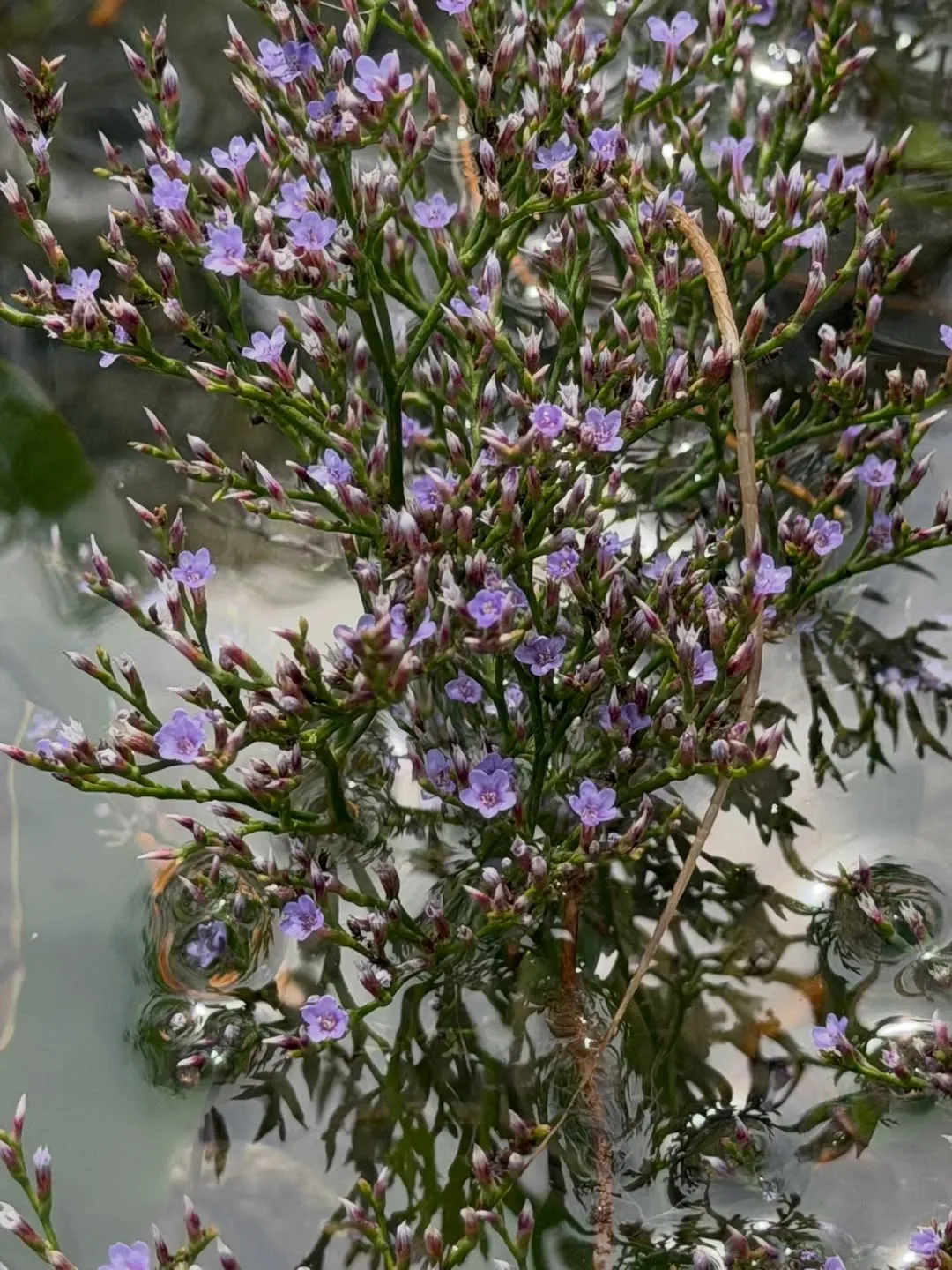
Most commonly known as statice, sea lavender is one of the most resilient plants that thrives well in sandy soil, drought, and salty air. The thin, papery flowers may seem delicate, but the plant is sturdy with leathery stems and foliage. Moreover, Sea Lavender is a perfect choice if you are looking for an elegant and durable option for your beach flower garden.
Plant Height - 6” to 18”
Sun Requirements - Full sun to partial shade
Hardiness Zones - 5 to 11
5. Gazania (Gazania Rigens)
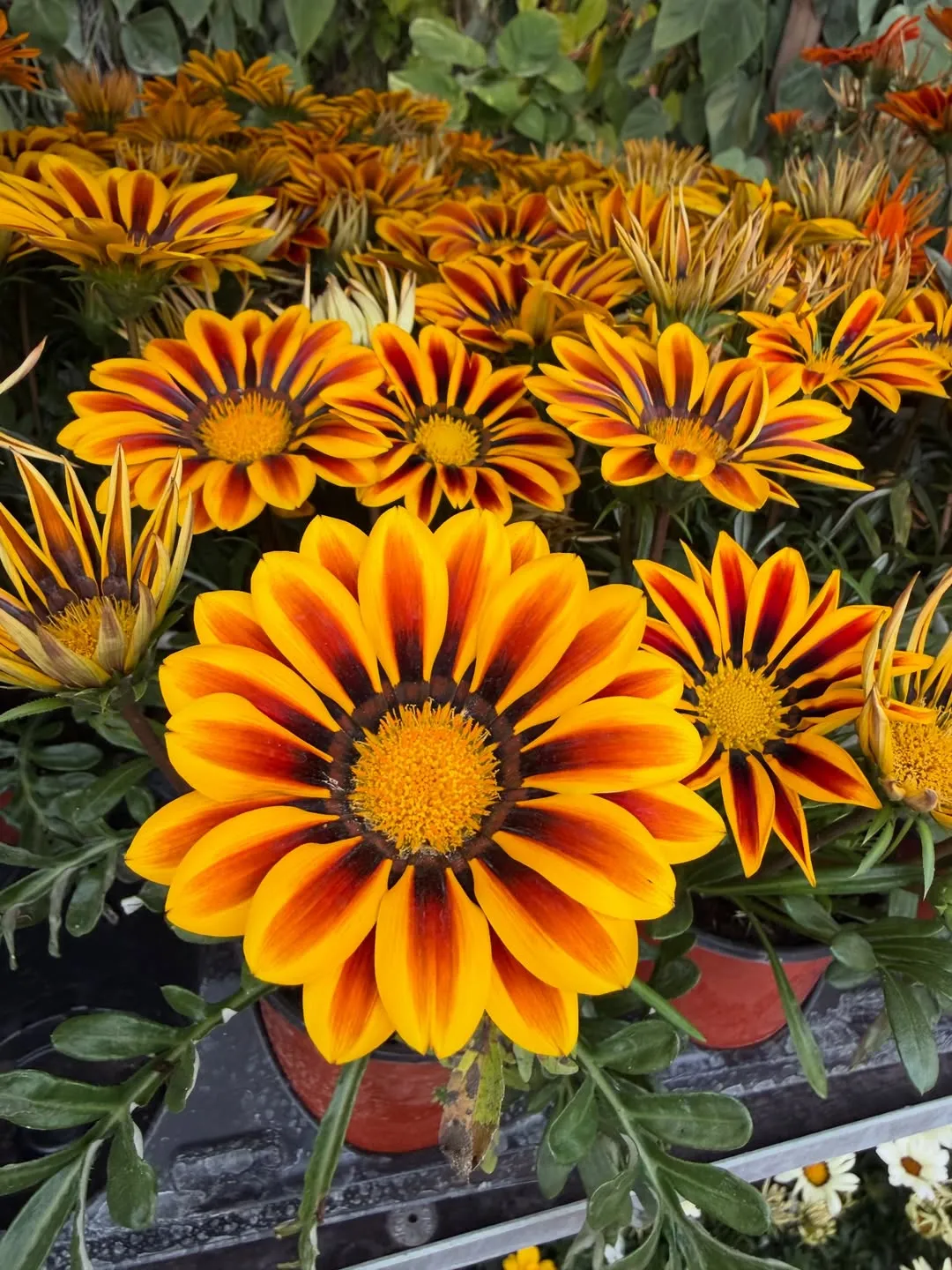
One of the brightest coastal garden flowers, Gazania is a cheerful plant from South Africa. The daisy-like flowers with multiple hues of red, orange, pink, yellow, and white are excellent survivors in sandy soil and hot weather conditions. Gazania plants are blanket-forming plants that offer an excellent ground cover for your garden with low maintenance. The plant has silvery leaves to tolerate harsh sun and salty air, while the flowers can bloom for several months.
Plant Height - 6” to 12”
Sun Requirements - Full sun
Hardiness Zones - 8 to 11
6. Coneflower (Echinacea spp.)
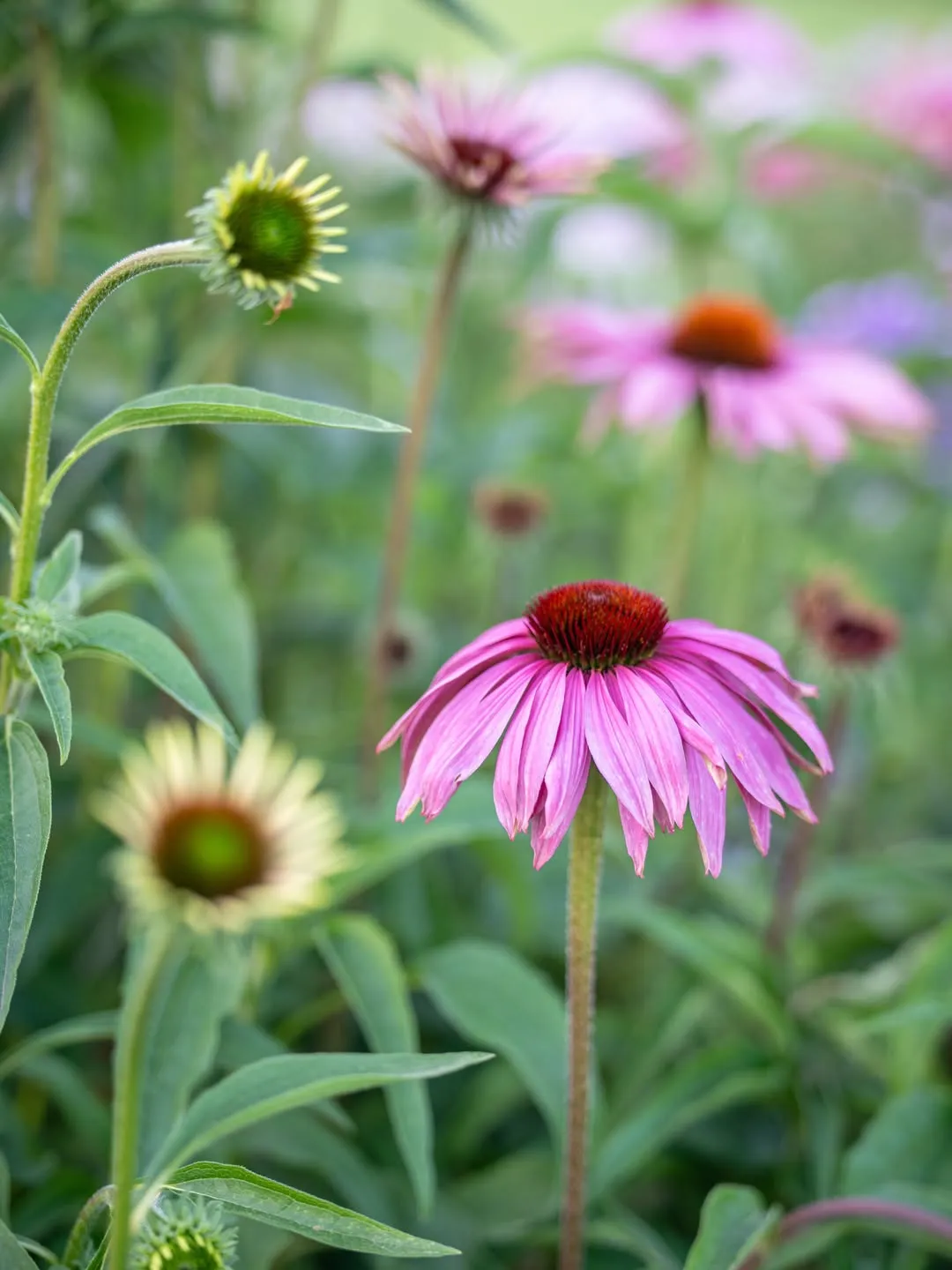
Coneflowers will add bold colors to your coastal garden, welcoming pollinators. These beachy flowers are resistant to heat, drought, and wind, and tolerate salt spray moderately. Their tough foliage and strong stems help them stand against all the natural elements. These vibrant flower plants require minimal maintenance, and the plant’s spiky seed heads will become a favourite of small birds during the fall.
Plant Height - 2" to 5"
Sun Requirements - Full sun
Hardiness Zones - 3 to 9
7. Daylily (Hemerocallis spp.)
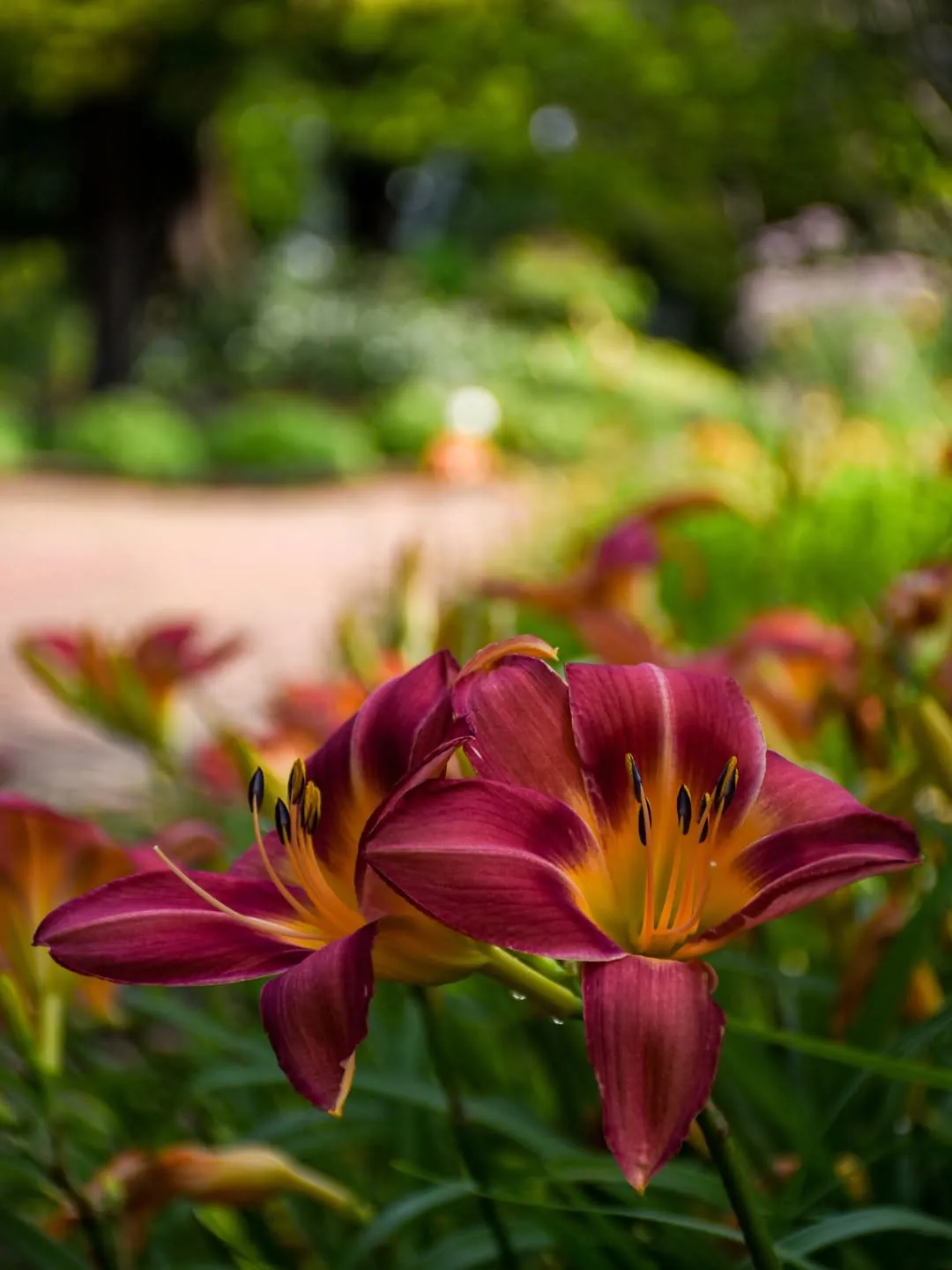
When you are looking for perennial flowers for your beach garden, daylilies are one of the perfect options that you can always add to your list. These beautiful plants can easily adapt to sandy soil, extreme heat, and salty winds. Daylilies are low-maintenance plants with deep roots that prevent soil erosion by stabilizing sandy slopes. However, choose the right species that don’t invade natural areas because some types can get invasive.
Plant Height - 1" to 3"
Sun Requirements - Full sun to partial shade
Hardiness Zones - 3 to 9
8. Gaura (Oenothera Lindheimeri)
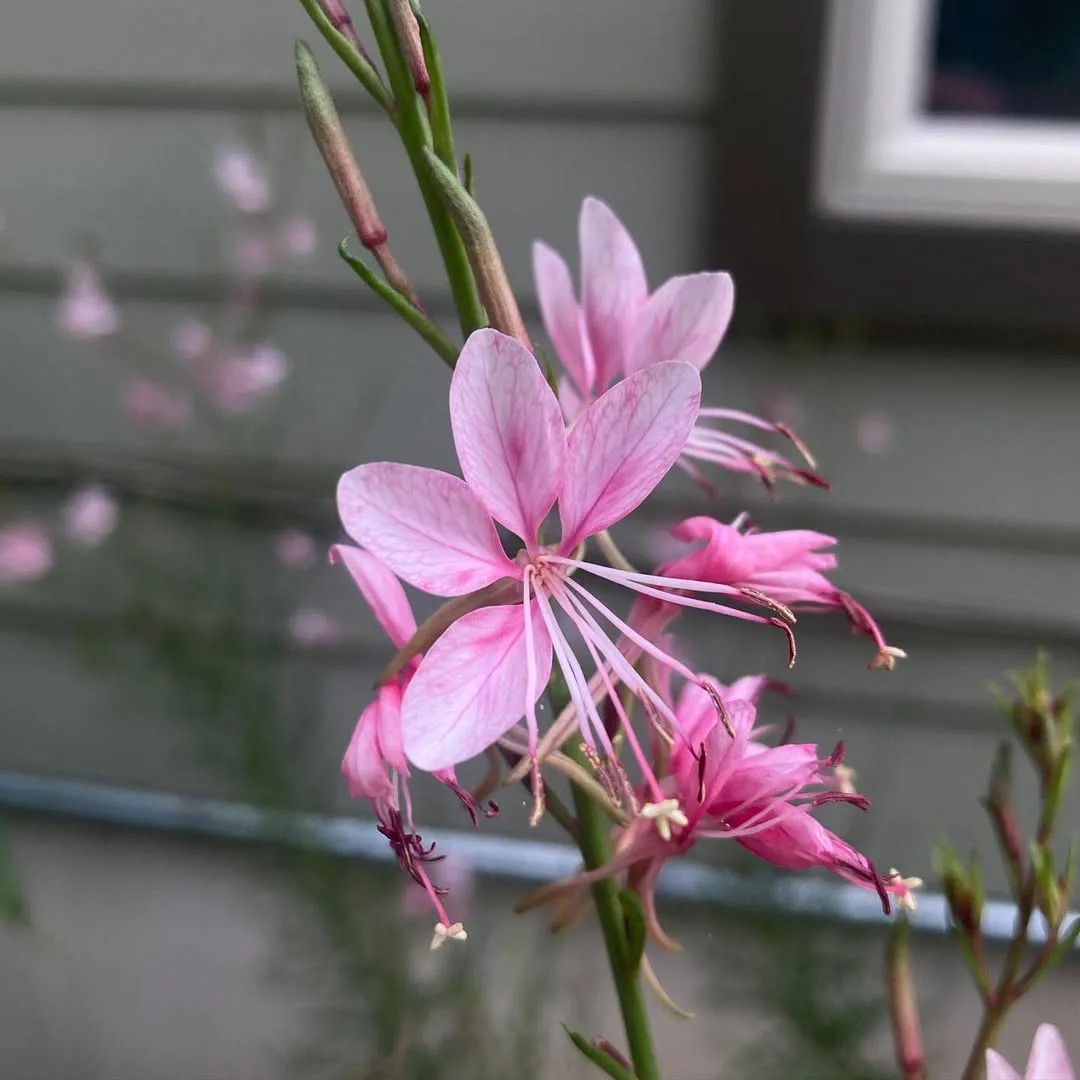
Gaura is an excellent choice of beachy flowers if you wish to add grace and texture to your landscape. With a long blooming season, the plant bears fluttery flowers supported by airy stems. In fact, the long, flexible stems dance with the wind like whirling butterflies. Gaura requires little to no maintenance and is extremely resistant to heat, sandy soil, and wind. It is a favourite of pollinators and can tolerate salty spray to some extent.
Plant Height - 2" to 5"
Sun Requirements - Full sun to partial shade
Hardiness Zones - 5 to 9
9. Plumbago (Plumbago Auriculata)
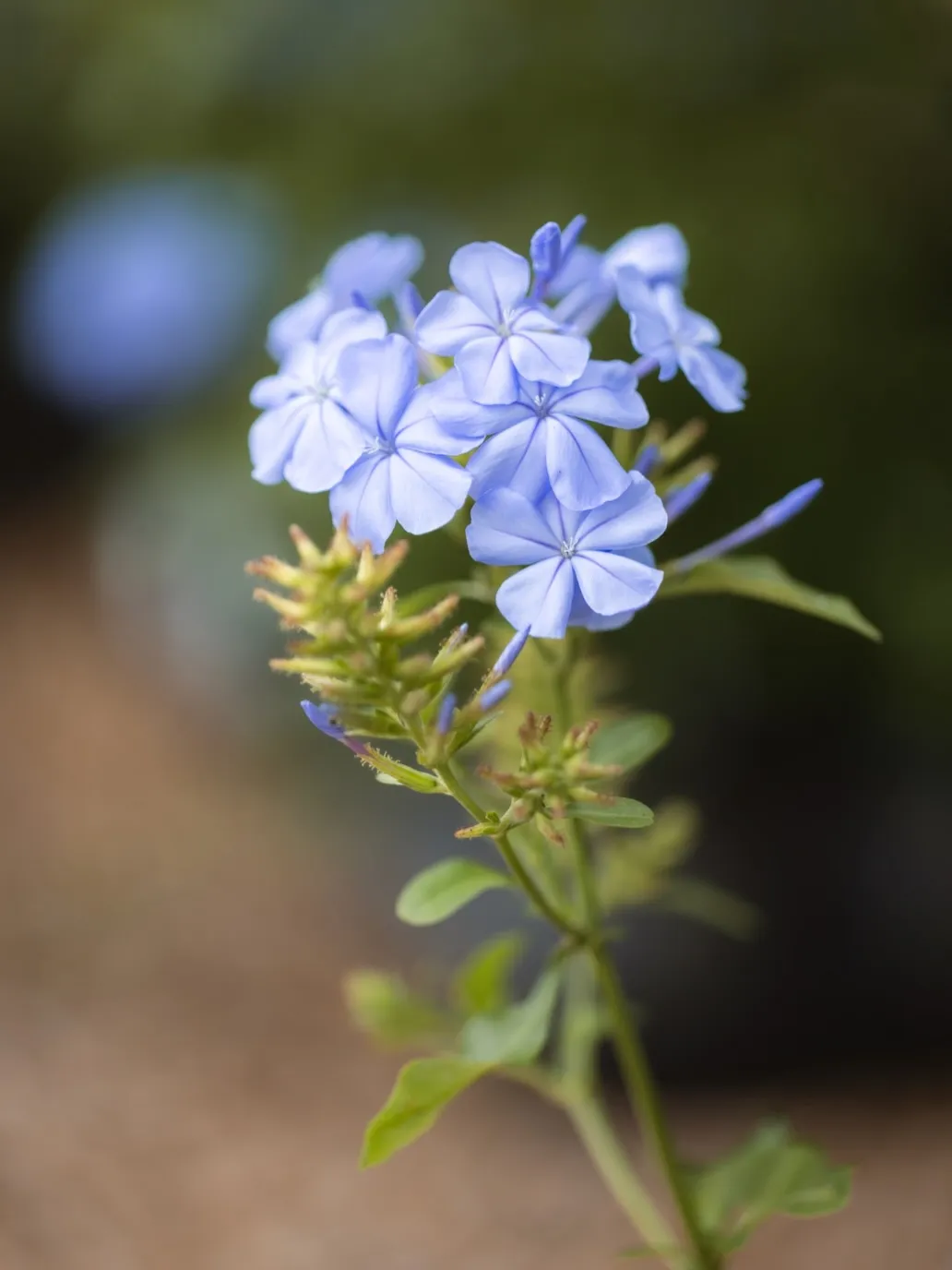
These gorgeous beachy flowers produce tons of flowers and are found in different parts of the world, such as South Africa and coastal regions of the US. In fact, it is a popular evergreen coastal shrub that can grow from small to medium size. The pale blue flower clusters can grow throughout the year in temperate coastal regions and offer an adorable contrast to your garden’s rocky landscapes.
Plant Height - 3" to 15"
Sun Requirements - Full sun to partial shade
Hardiness Zones - 9 to 11
10. Portulaca (Portulaca Grandiflora)
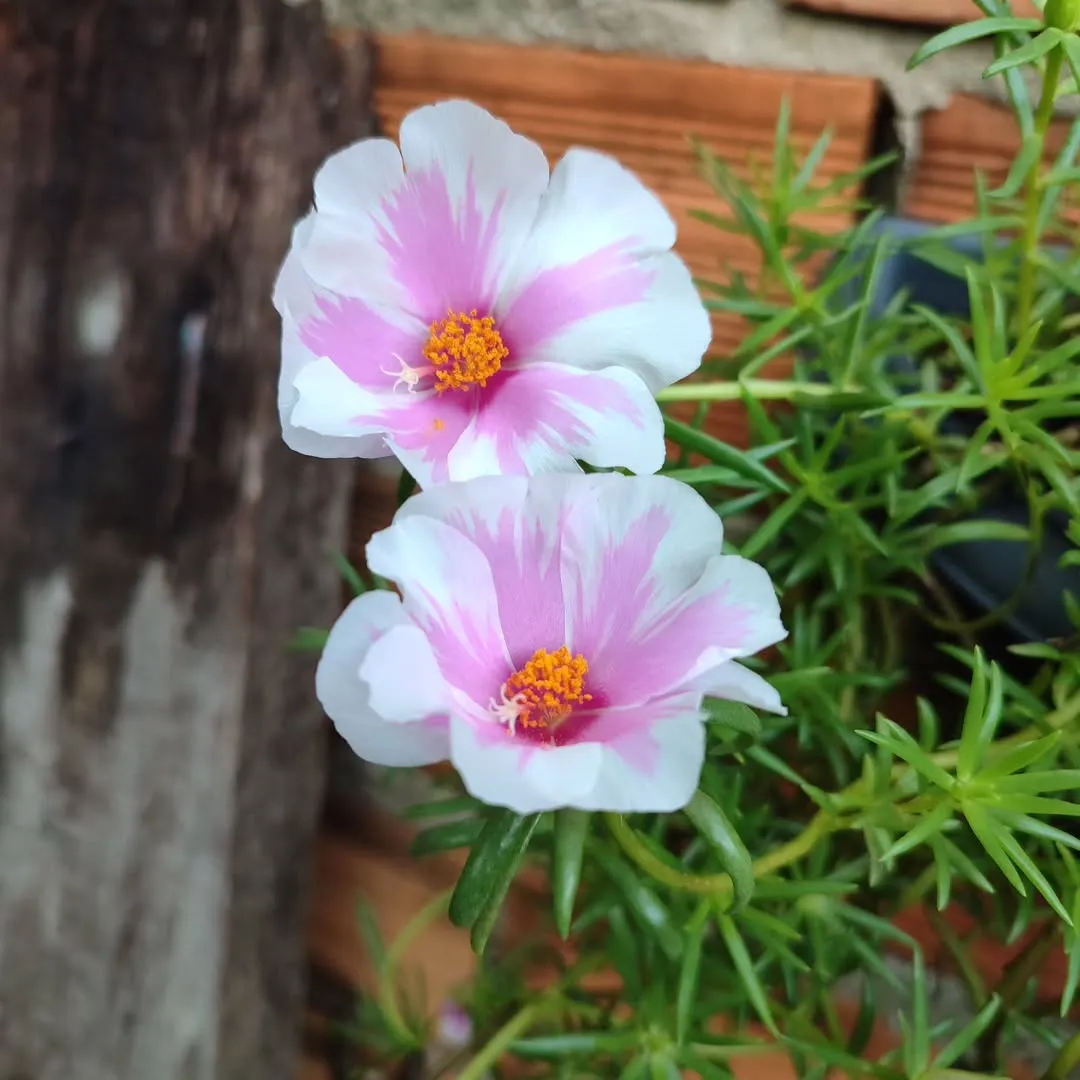
Moss rose is another name for Portulaca due to its small flowers in rainbow colors. These bright colored beachy flowers are great for ground cover and can tolerate sandy soil, lots of sun, wind, and a bit of salty spray.
Plant Height - 4” to 8”
Sun Requirements - Full sun
Hardiness Zones - 2 to 11
11. African Daisy (Osteospermum spp.)
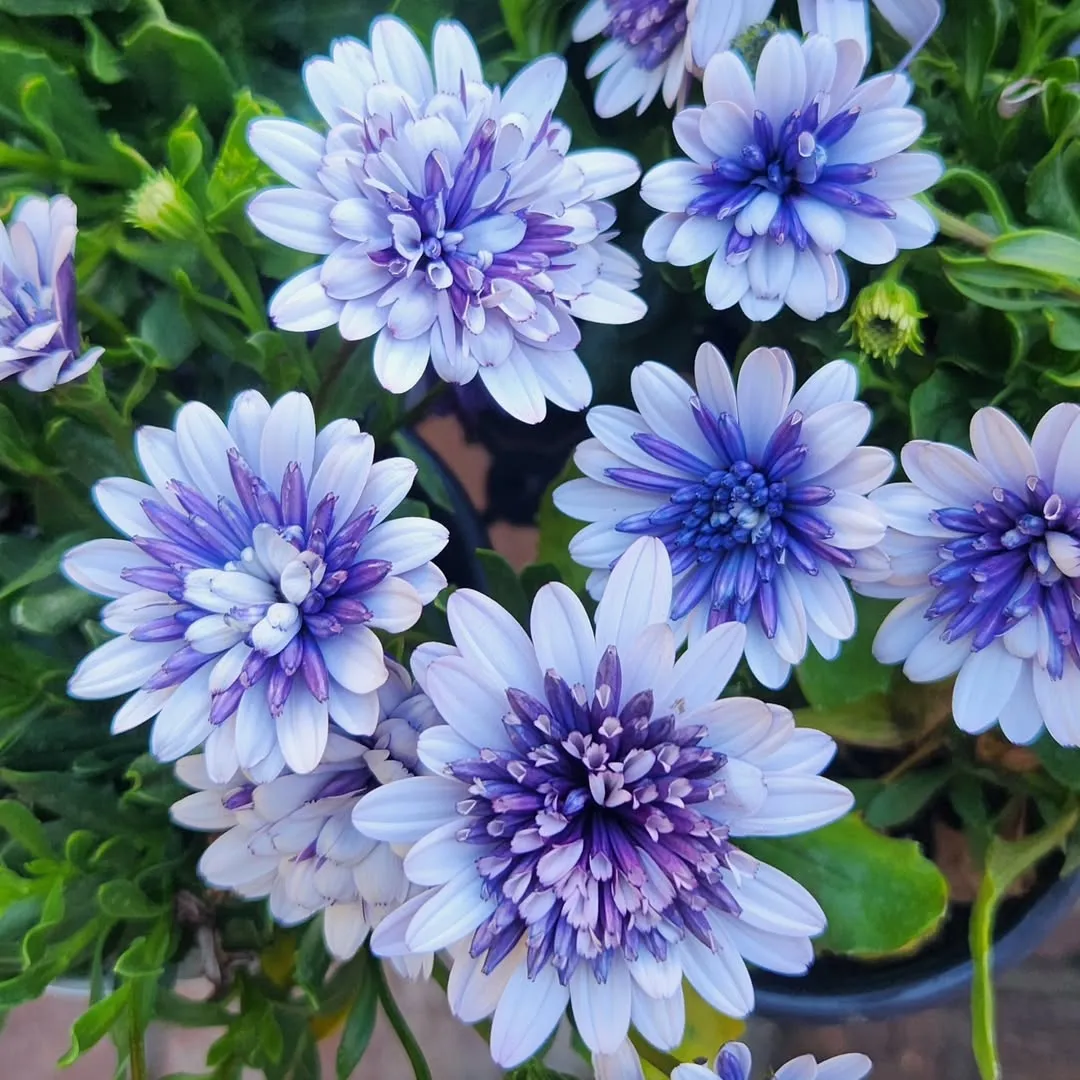
These attractive flowers are suitable for sandy and well-drained soil as they prevent soil erosion. You can grow them in flower beds, slopes, containers, or can even create borders in a sunny environment. Available in diverse shades such as white, yellow, pink, orange, and purple, some of these large flowers may also have contrasting centers in blue or violet.
Plant Height - 8” to 36”
Sun Requirements - Full Sun
Hardiness Zones - 10 to 11
12. Society Garlic (Tulbaghia Violacia)
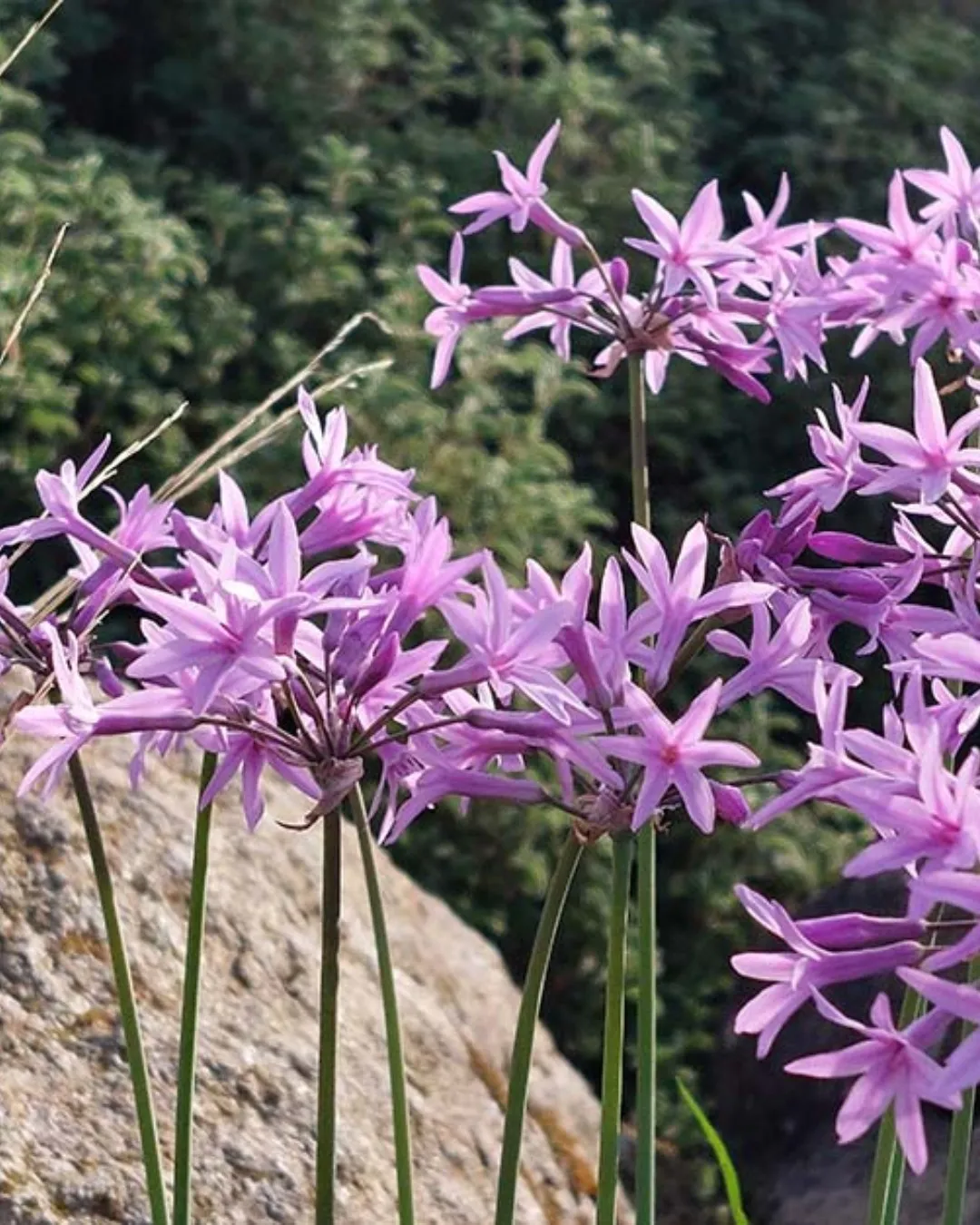
Almost similar to alliums, Society Garlic also blooms purple flowers in airy clusters with grassy leaves. These evergreen perennial plants are low maintenance and can tolerate heat and salt while carrying a stunning appearance. The fragrant and nectar-rich flowers attract butterflies while the dense root system stabilizes the soil.
Plant Height - 12” to 24”
Sun Requirements - Full sun and partial shade
Hardiness Zones - 7 to 10
13. Verbena (Verbena spp.)
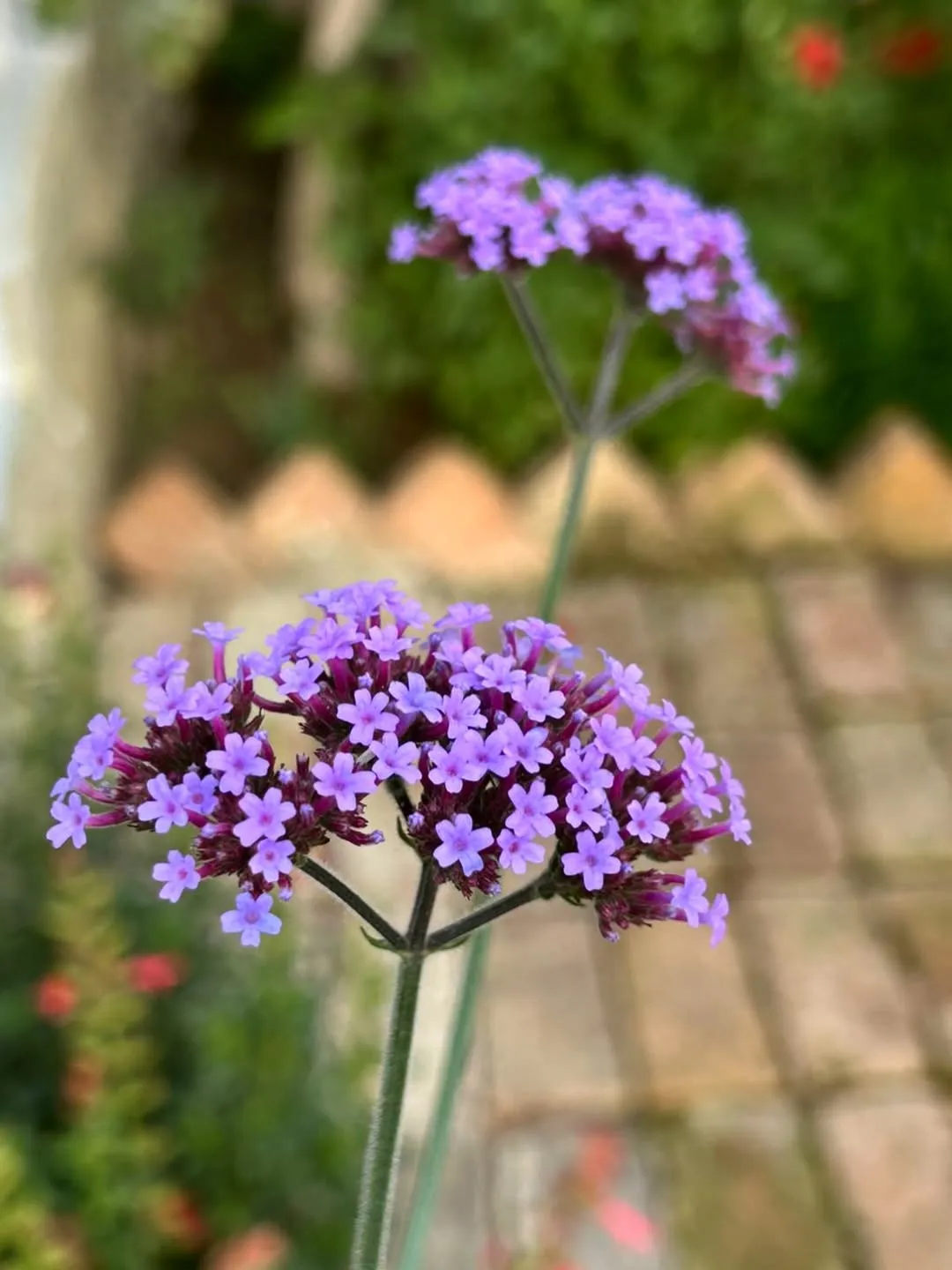
These are another excellent choice of beachy flowers that thrive well in heat, sand, and salty environment and with less maintenance. One reason to pick this plant for your coastal garden is its long-lasting flowers. Verbena can be an excellent ground cover or can also be grown tall and airy to attract pollinators.
Plant Height - 6” to 3”
Sun Requirements - Full Sun
Hardiness Zones - 7 to 11
14. Ice Plant (Delosperma spp.)
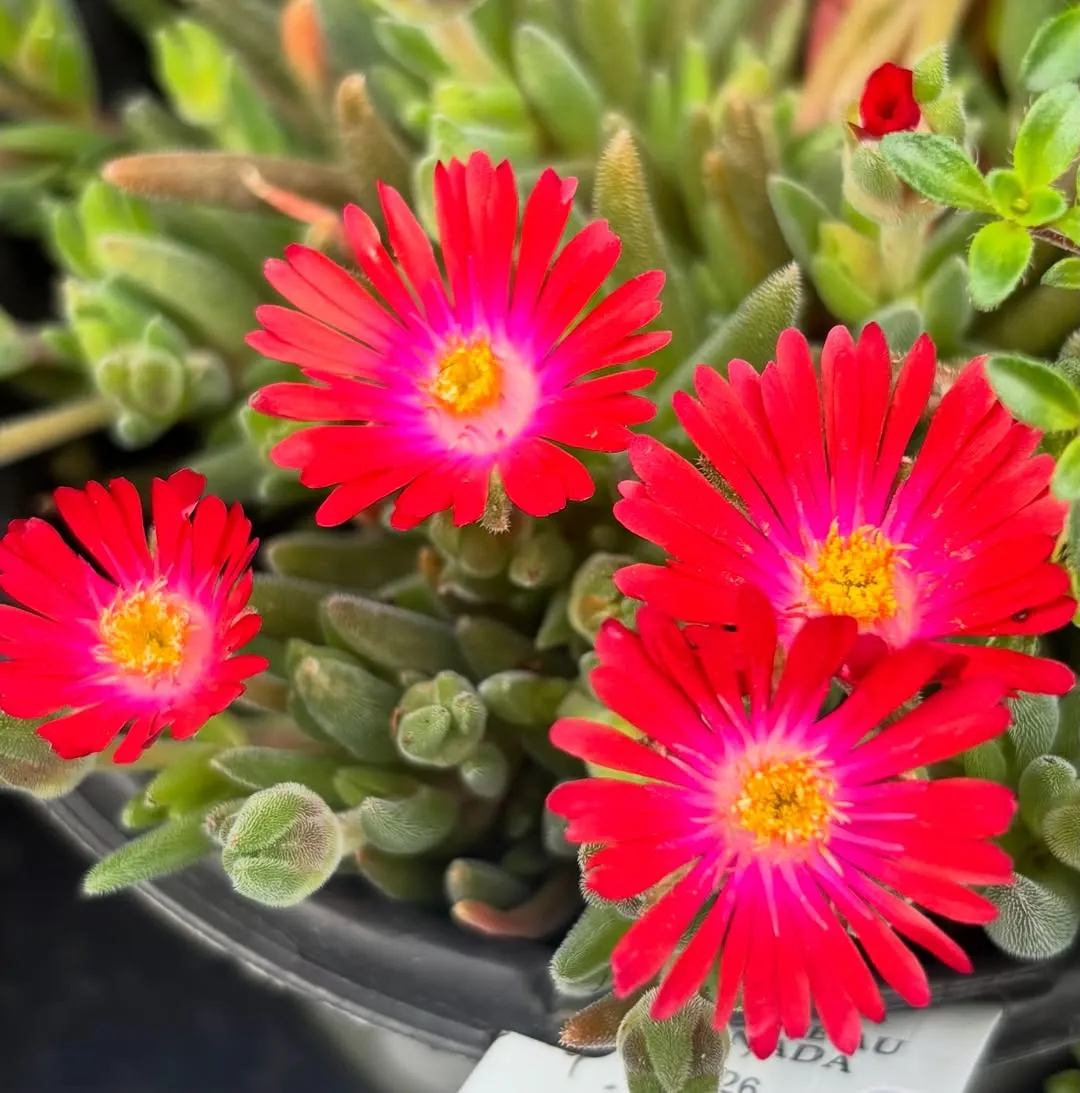
Here is another option for ground covers in your coastal garden that controls soil erosion. The plant survives well in sunny temperatures, strong winds, and sandy environments. The bright, cheerful flowers blooming on evergreen foliage are a stunning addition to your coastal garden. With almost no maintenance required, these flowers are also a favorite of the pollinators.
Plant Height - 2” to 6”
Sun Requirements - Full Sun
Hardiness Zones - 5 to 8
15. African Iris (Dietes spp.)
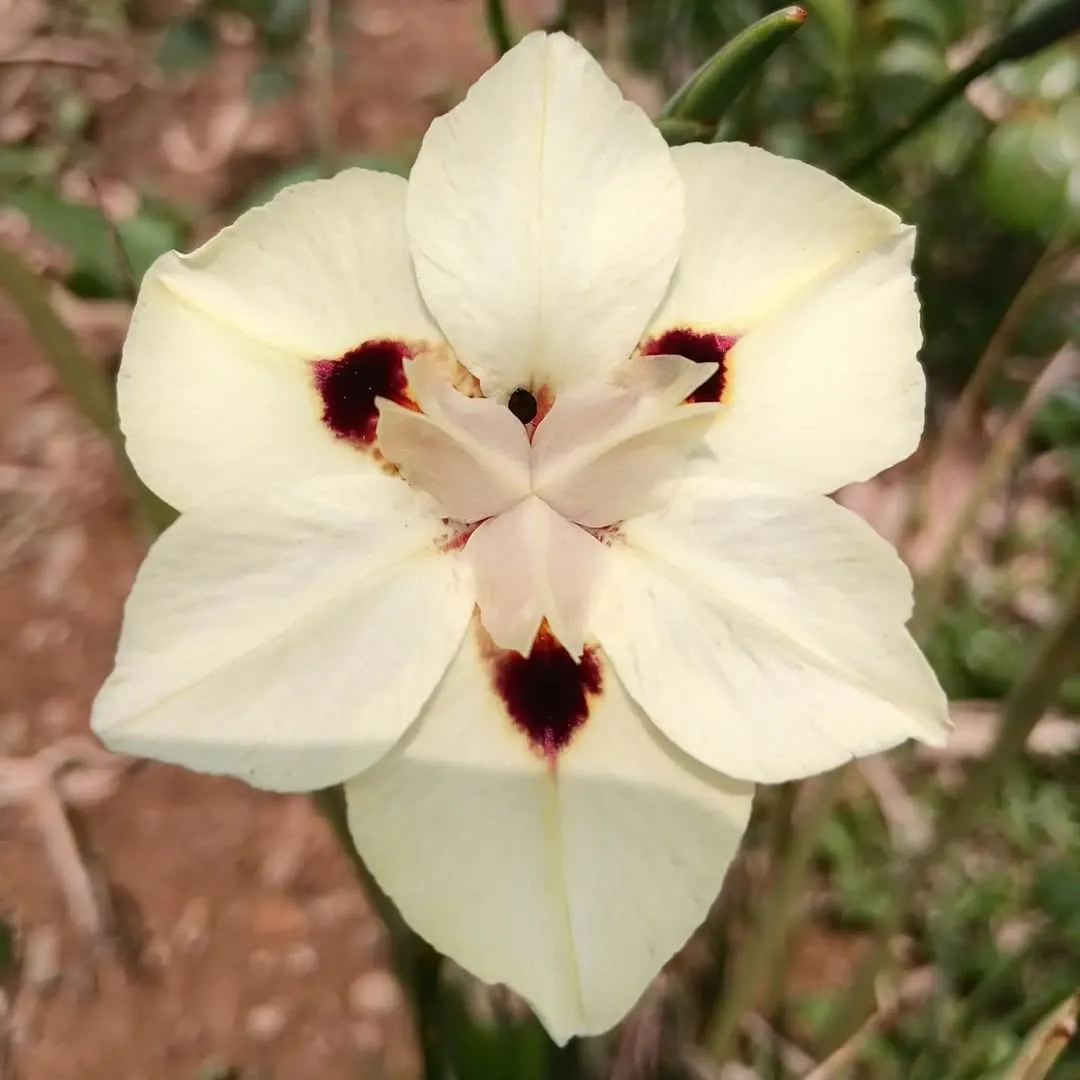
Although a tough plant, African Iris has beautiful sword-shaped leaves that look stunning throughout the year. The large, glassy, and clumpy leaves bear delicate and pretty flowers in diverse hues of cream, white, and yellow with lavender accents. The flowers form like an ornamental grass for mass plantings and borders, even on slopes, with roots that stabilize the soil.
Plant Height - 2" to 4"
Sun Requirements - Full Sun to Partial Shade
Hardiness Zones - 9 to 11
How to Create a Beachy Flower Garden?
Wish to create a beachy flower garden at home? You can easily do so by mixing and matching beachy flowers, aquatic plants, and tropical plants strategically in your garden.
- Create ground covers with beachy flowers to add a touch of vibrant shades.
- Add aquatic plants like water lilies by creating small artificial water bodies such as water fountains.
- Also, you can add tropical plants such as hibiscus and bring the tropical essence to your garden.
- Offer an ocean-like feel to your garden by adding beach grass or sea oats, which also helps stabilize the soil.
By incorporating a mixture of beachy, aquatic, and tropical plants, you can create a serene environment, mimicking the ocean-side view.
Conclusion
Coastal regions are home to some of the most stunning and vibrant flowers, which are categorized as beachy flowers. However, these blooms are not limited to the ocean side; rather, you can bring them home to be a part of your beachy flower garden. As these flowering plants are resistant to salty winds and harsh sun, they require little maintenance. Choose from a wide range of beachy flower options to transform your usual garden into a coastal view.