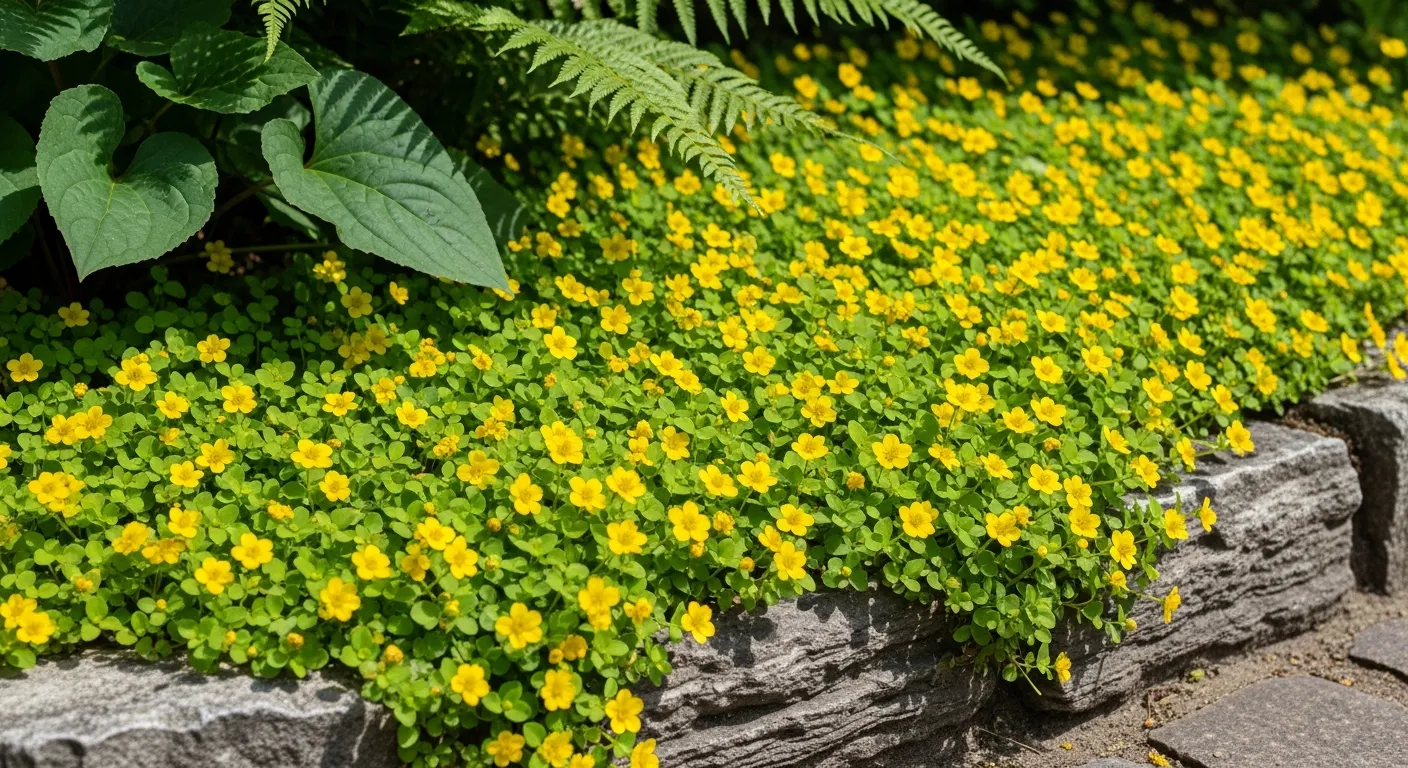
The color yellow is quite cheerful, which makes your garden look like sunlight has poured all over it. While bushes and small flowering plants work best, ground cover with yellow flowers offers something entirely different. They spread well across the soil like a floral carpet, which means you can have a whole ground filled with positivity and cheerfulness all summer long.
Some of the ground covers can creep between the edges of the walkways or patio, while others spill beautifully from hanging planters or trellises. This blog explores several ground covers that bloom with yellow flowers, so that you can decide on what you want for your garden.
17 Ground Covers With Yellow Flowers
Homeowners and gardeners love having ground covers with vibrant yellow flowers that look pleasantly beautiful. So, here are some of the beautiful choices you should consider for your yard -
Yellow Alyssum
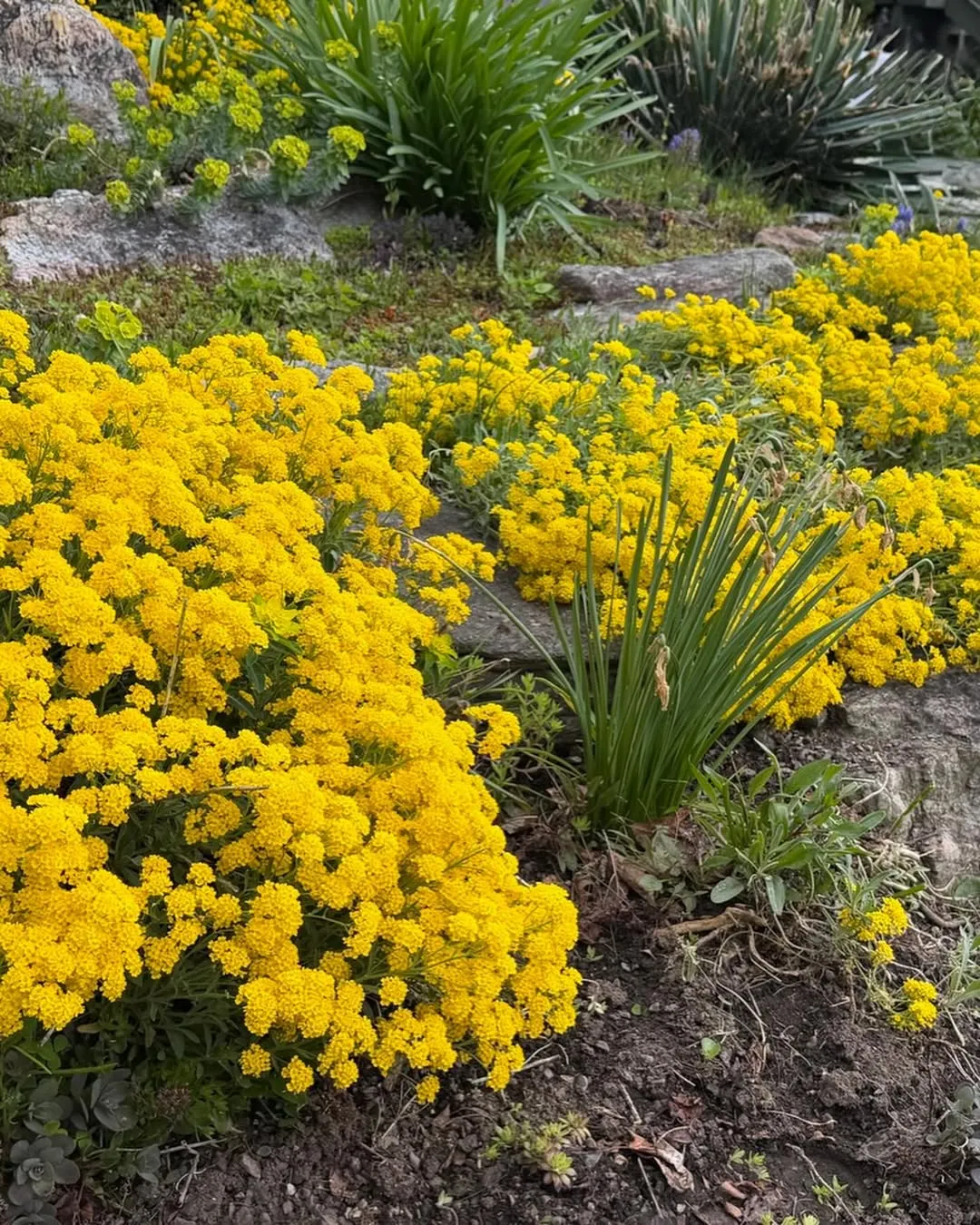
Yellow Alyssum is also known as the “basket of gold,” and is loved by everyone because of its bright, cheerful, yellow flowers that completely cover the ground. This is an easy-to-maintain herbaceous perennial and can tolerate heat, dry conditions, full sun, and even dappled shade. However, ensure to trim them occasionally to keep them looking at their best.
Yellow Alyssum thrives in almost all soil types, except heavy clay soils with bad drainage, and does not require much fertilization. It blooms between April and May and can grow up to 6 inches tall. It can be planted in flower beds, borders, rockeries, and containers. The small, lemon-yellow flowers grow in masses, which gives a beautiful sight when you look out of your window early in the morning.
Hardy Yellow Ice Plant
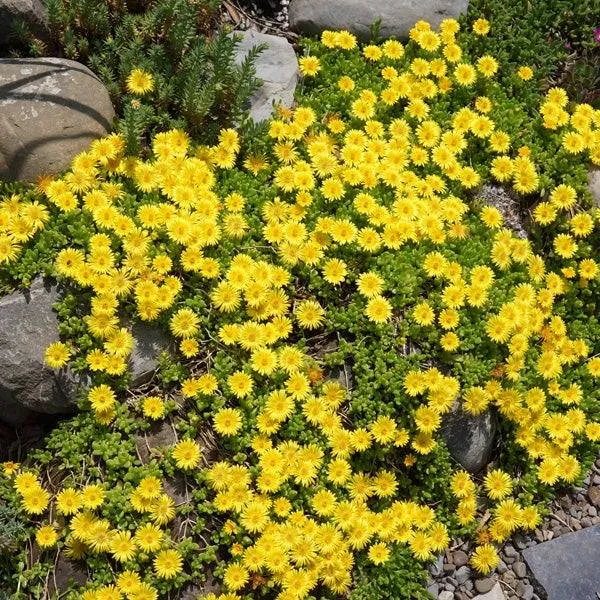
Hardy yellow ice plant, also called “tough cookie,” is an extremely low-maintenance succulent that thrives in almost any situation. But, ensure to cut off the dead parts to encourage more blooms. The cheerful daisy-like flowers with vibrant yellow color are the perfect way to add life to your garden for summer.
You can plant them at the border fronts, rock gardens, and containers, too. It mostly grows up to 3 inches tall and spreads up to 18 inches wide. The hardy yellow ice plant thrives in full sun and well-drained sandy loam and gravelly soils. It blooms from the late spring to early summer, making it perfect for drier climates. The leaves stay beautifully green even during cooler winters.
Barren Strawberry
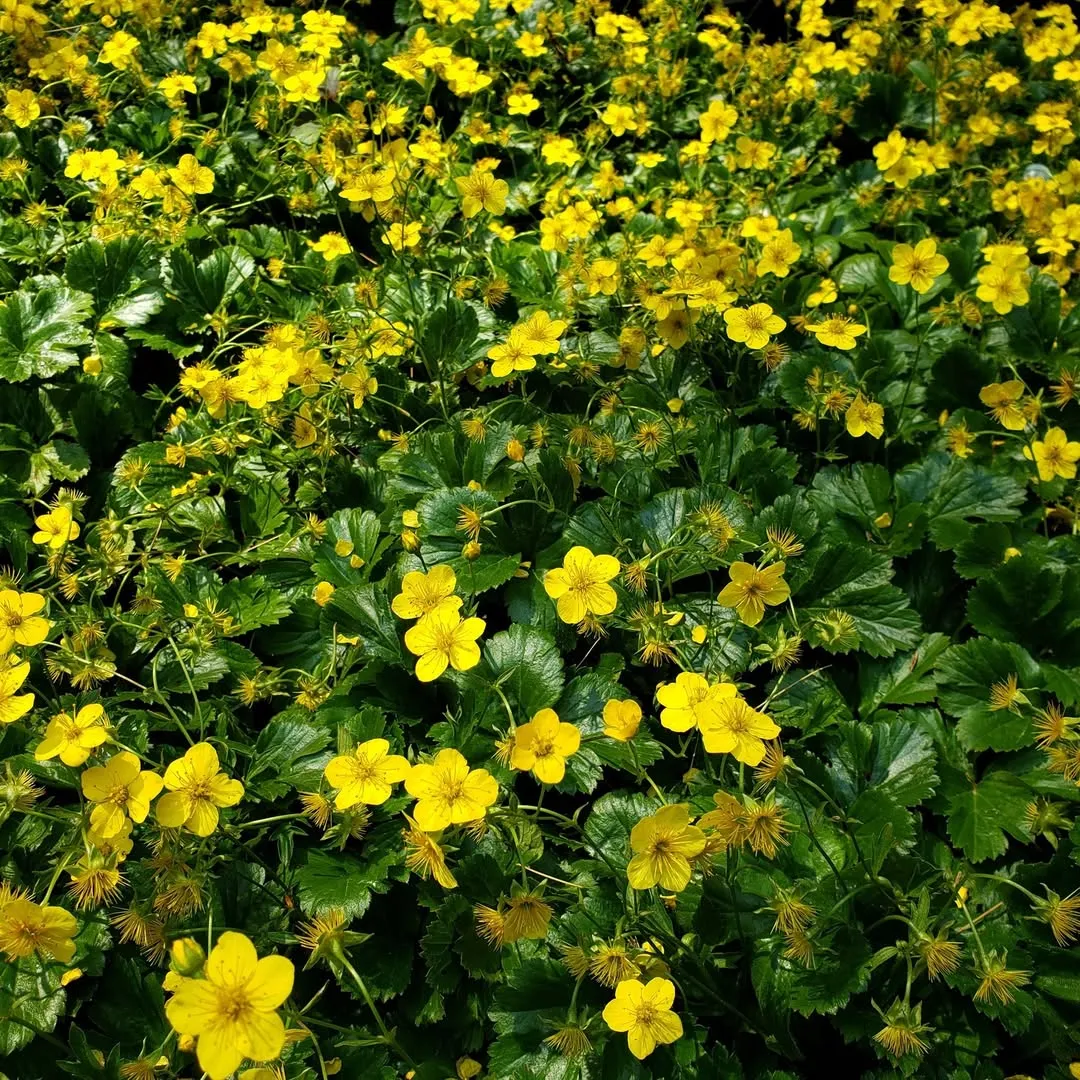
Barren strawberry is native to North America. It is a vigorous rhizomatous perennial with beautiful evergreen foliage. Though it looks like an actual strawberry, barren strawberries won’t bear fruit, just the bright yellow flowers. Remember, this is not an edible plant, but an ornamental plant. It can grow up to the height of 6 inches, and new planting can be done throughout the spring.
The plant blooms with yellow flowers from early spring to early summer, creating a beautiful scene. It can be used as an edging plant and also to neutralize the area.
Barren strawberry grows well in medium, well-drained soil, and you can keep it either in full sun or part shade. In addition, it can tolerate drought, and because it is low-maintenance, you don’t have to worry about pest infestation or diseases.
Evening Primrose
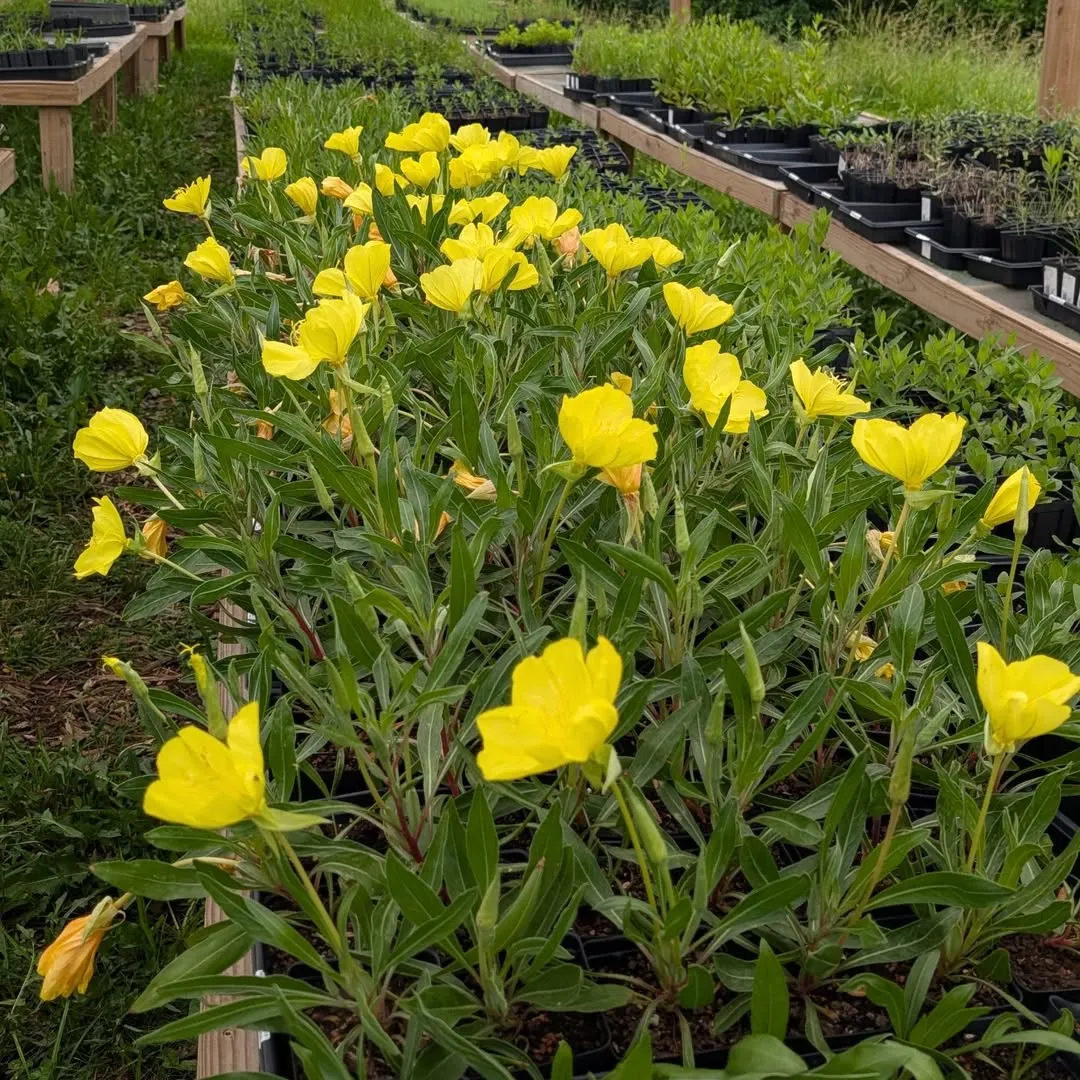
The Evening Primrose has a citrusy smell and is known to bloom in the evening and closes again in the morning. It grows up to 3-5 feet tall, and its flower clusters grow up to 2-3 feet wide, from spring to fall. If you love having a summer vibe, this is the perfect choice for your garden.
This plant adapts easily to any soil type, including sandy or gravelly. However, it is important to check and make sure that the soil does not get too dry. It should be kept a bit moist to help the flowers bloom to their full potential. But be sure not to overwater, as it could lead to root rot.
Also, consider pruning the flowerheads after the plant flowers. This encourages reblooming. The best thing is that the flowers attract bees, moths, and other pollinators, and are deer and rabbit-resistant.
Woolly Yarrow
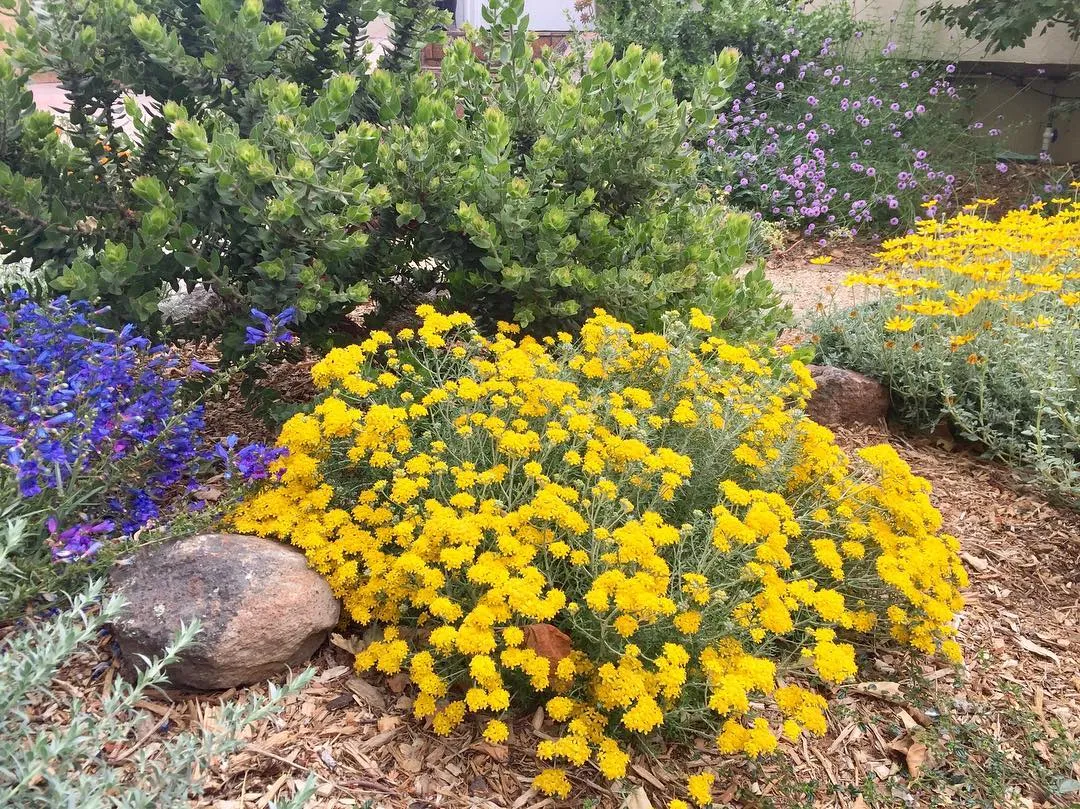
The fur-like, woolly feature of the plant justifies the name “woolly yarrow.” It is a low-maintenance perennial and is the perfect ground cover to add to any sunny spot in the yard. The gray-green foliage in the background makes the yellow ray and disc flowers more pronounced. It spreads horizontally and can reach up to 1 foot tall and about 18 inches wide.
The plant blooms from June to mid-August and needs lean, dry to medium, and well-draining sandy loams. Wondering where to plant them? They look best at the edging, rock gardens, and also work best for areas that usually stay barren.
Petunia
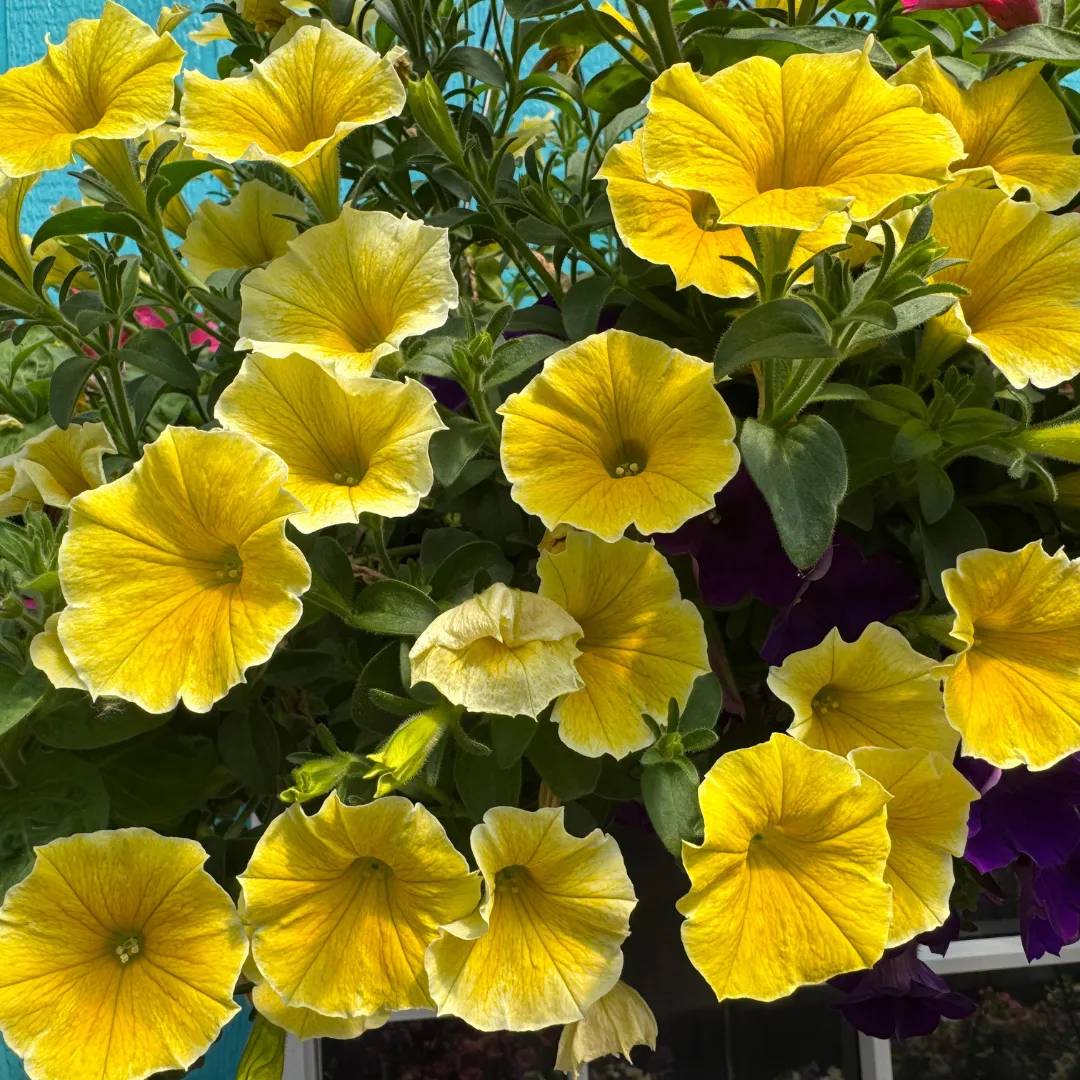
Petunias are soft, buttery yellow, trumpet-shaped flowers that bloom until winter arrives. This flower can grow well in hanging baskets or window boxes. Also, it can be grown in the flower bed or cascade along a wall or slope. They need partial sunlight and grow up to 6-12 inches tall.
Calibrachoa
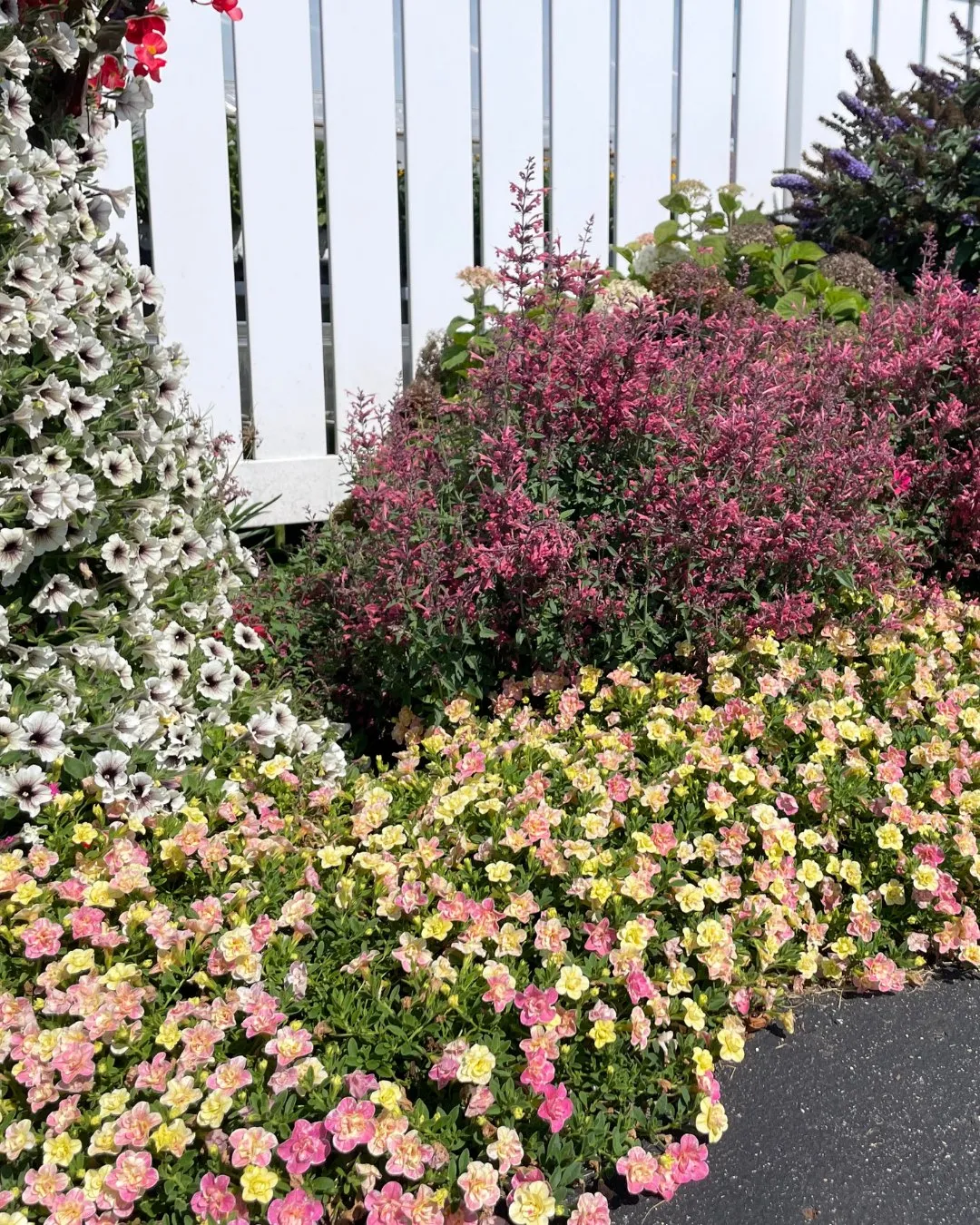
Calibrachoa looks like a pinwheel with soft, rounded, five shallow petals. The flower is not completely yellow; it is a combination of white and yellow. It looks good in hanging baskets or containers, and thrives in partial sun.
You can also combine it with other annuals for a beautiful splash of colors. It is low maintenance and does not need deadheading, and can grow up to 6-12 inches tall.
African Daisy
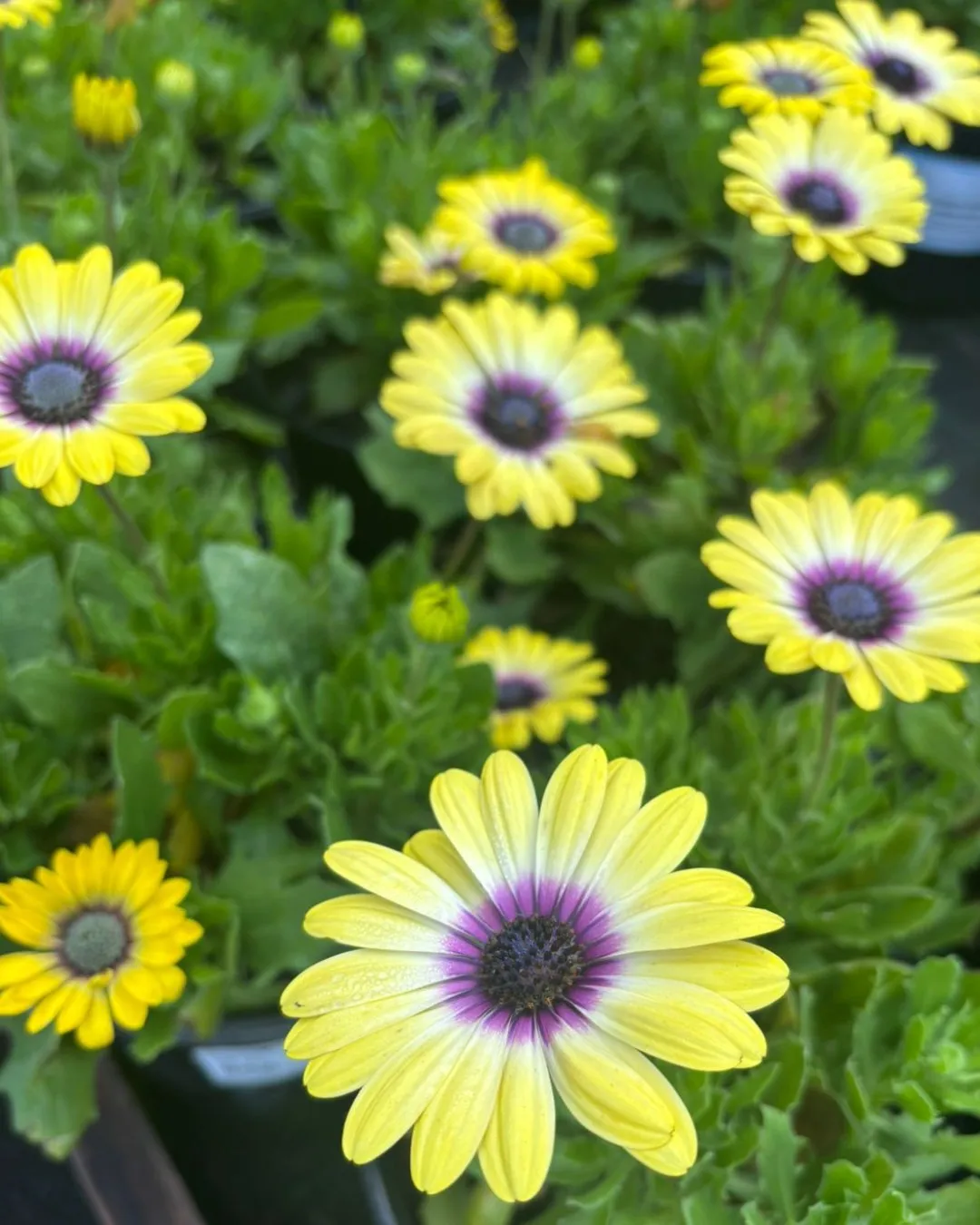
African Daisy flowers are yellow in color and bloom in temperate months. You can plant them alongside flowers or plants that thrive in hot weather so that your garden looks colorful all year round.
When matured, they can reach up to a height of 8-12 inches tall, and can be grown in pots or in the garden beds, borders, etc. They do not need much sun and can mostly grow well in partial sunlight. Also, they are deer and rabbit-resistant.
Wishbone Flower
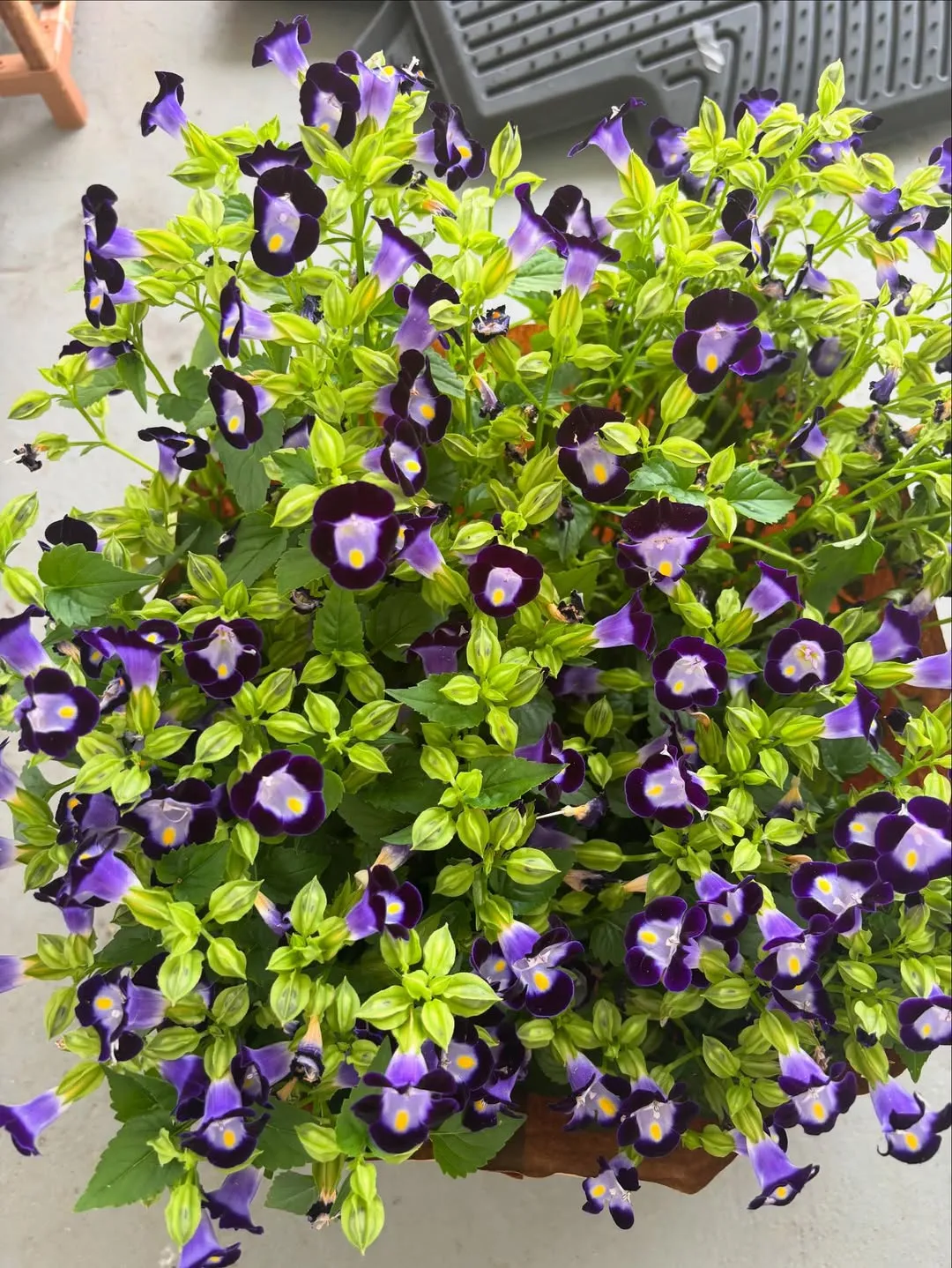
Wishbone flowers are annuals and are best for planting in challenging shady spots. You can also plant them in containers, hanging baskets, and even window boxes, which work fine for them. They have yellow petals with a purple throat that flower from summer to winter. They do well in bright sunlight and in shade, and grow up to 8-16 inches in height.
Angelina Stonecrop
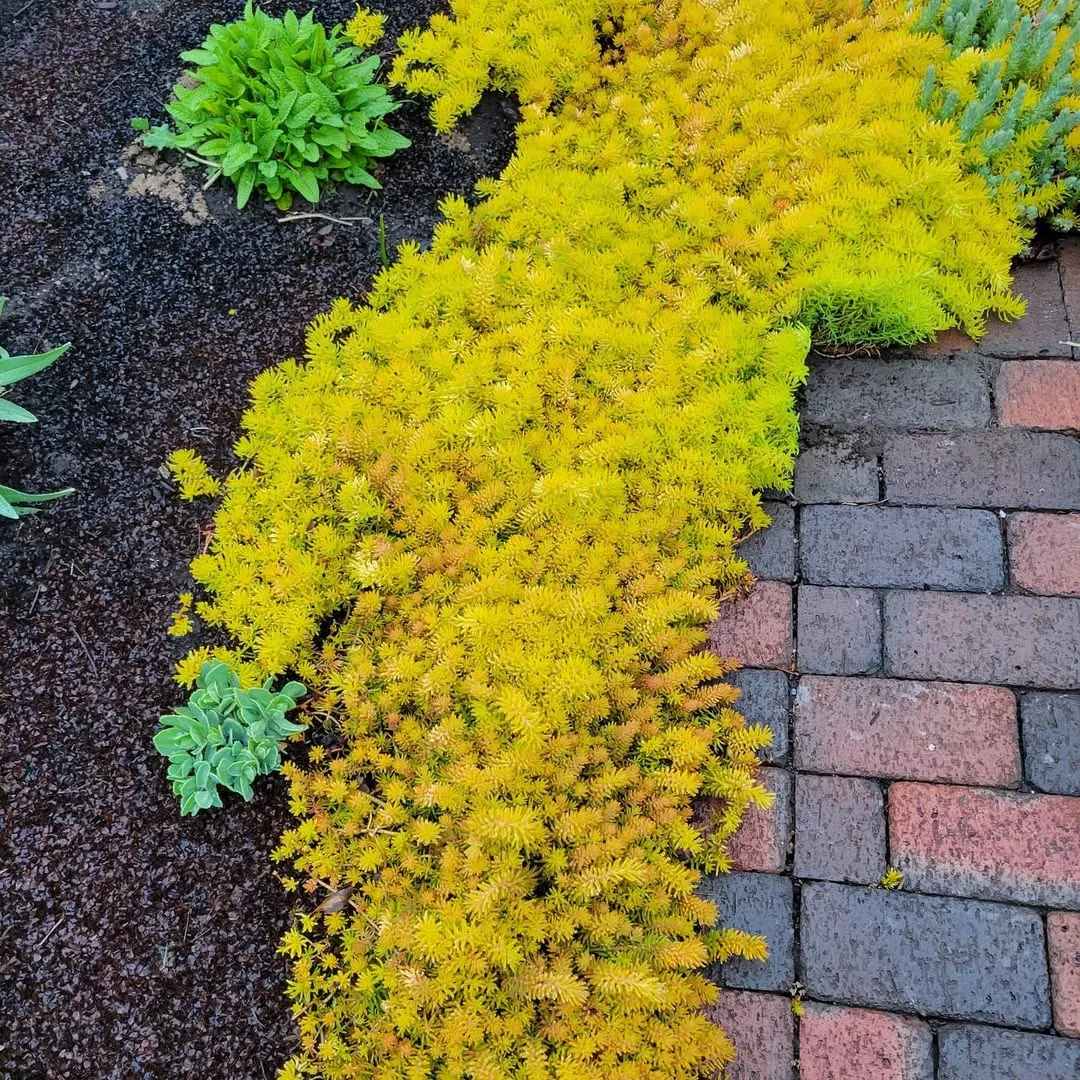
Angelina Stonecrop is a fast-growing, succulent plant that grows well in rocky, infertile, dry, but well-draining soil. It blooms beautiful yellow flowers that match the spiky yellow foliage, which turns copper colored during winter. It is a very low-maintenance plant, but requires occasional watering.
The ground cover gives a high-impact monochromatic look to the garden. They need full sun to grow well and bloom only from early to late summer. They can grow up to 3-6 inches tall and 1-2 feet wide.
Yellow Archangel
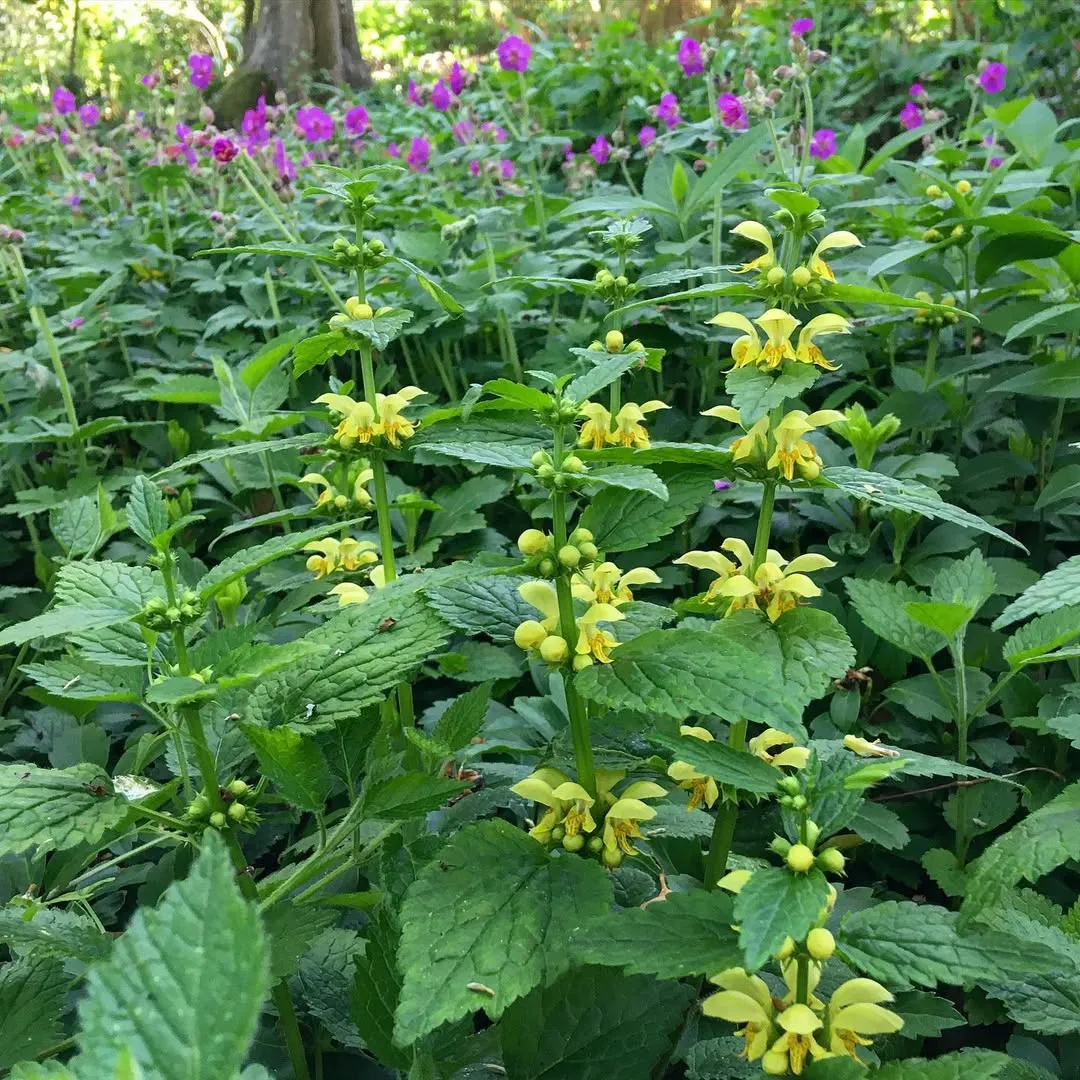
The beautiful flowers sit on the top of the green stalks and silver-variegated leaves, giving the yellow archangel a unique look. It relates to the mint plant and spreads easily and quite rapidly, overtaking the available space in the lawn. However, it can grow only up to 1-2 feet wide.
As it spreads rapidly and extensively, the Yellow Archangel is considered invasive and might threaten nearby plants if not maintained properly. If you can be a bit more careful of the surroundings and can allot time to take care of the garden, this is the best plant for your collection.
Creeping Buttercup
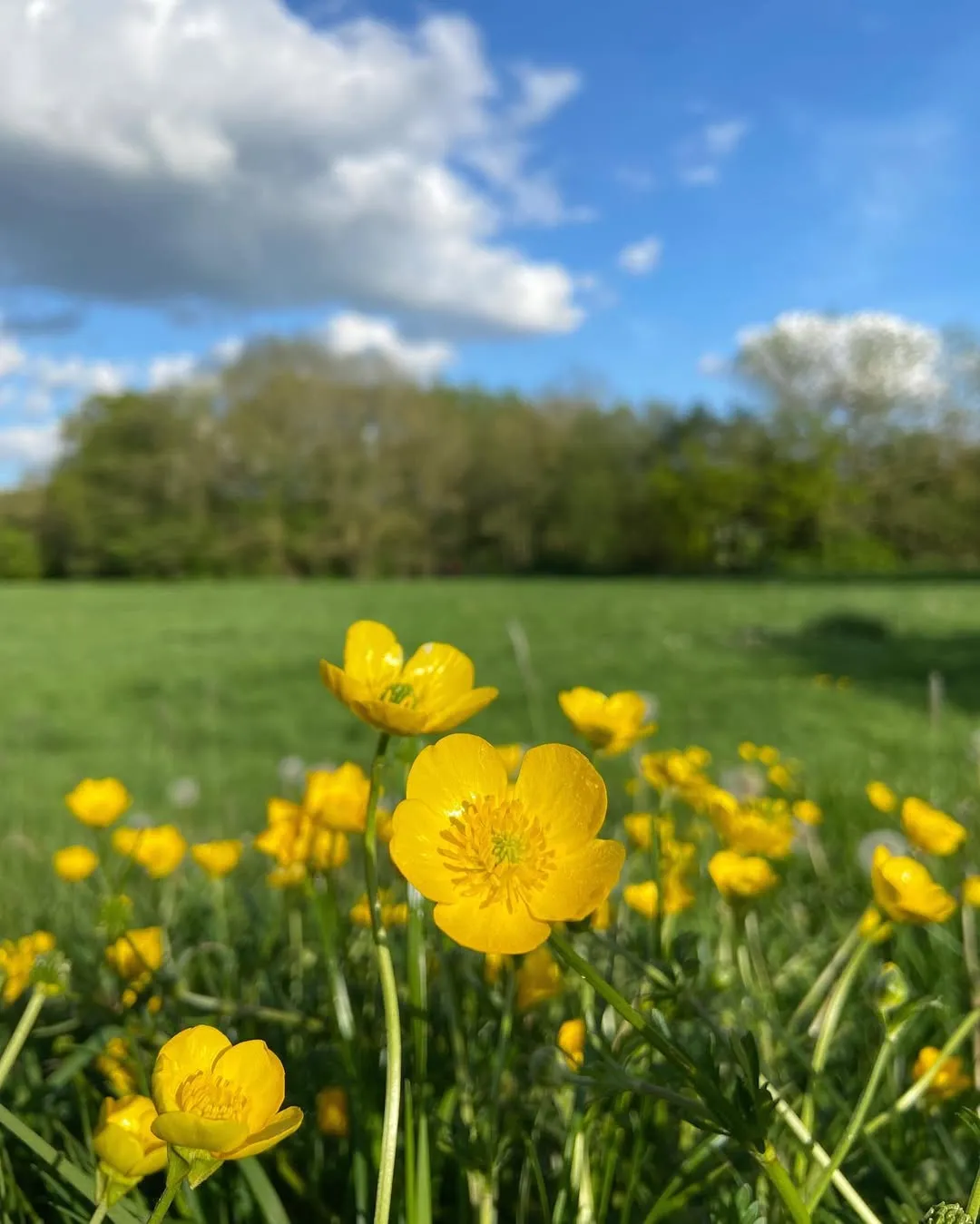
Creeping Buttercup is a wide-ranging flower that is found in most parts of North America. Some people may also consider the plant invasive because of its exceptional ability to adapt.
Creeping buttercups need rich, moist soil and full sun to shade. They can grow up to 35 inches wide and 8-12 inches tall. The flowers bloom from spring to late summer, and can overtake the area it is planted. You can plant them at the pond edge or in a wetland.
Perennial Peanut
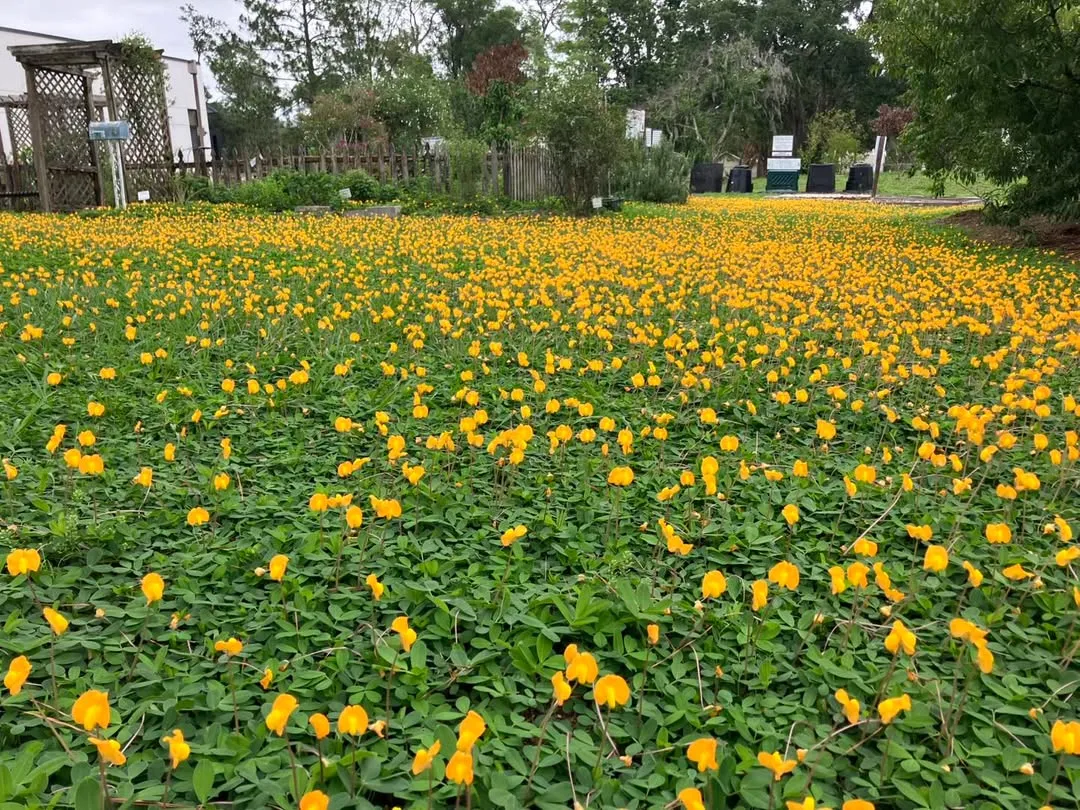
Though the name of the plant is " Perennial Peanut,” it does not really produce nuts. Instead, they produce edible yellow flowers that taste like peanuts. Farms use it as hay and is given to the farm animals to eat, because they are rich in nutrients. It can grow anywhere between 3 and 6 inches tall, and it can be planted in the garden in low-traffic areas to add some color to the space. Most importantly, remember to water the Perennial Peanuts frequently.
Creeping Jenny
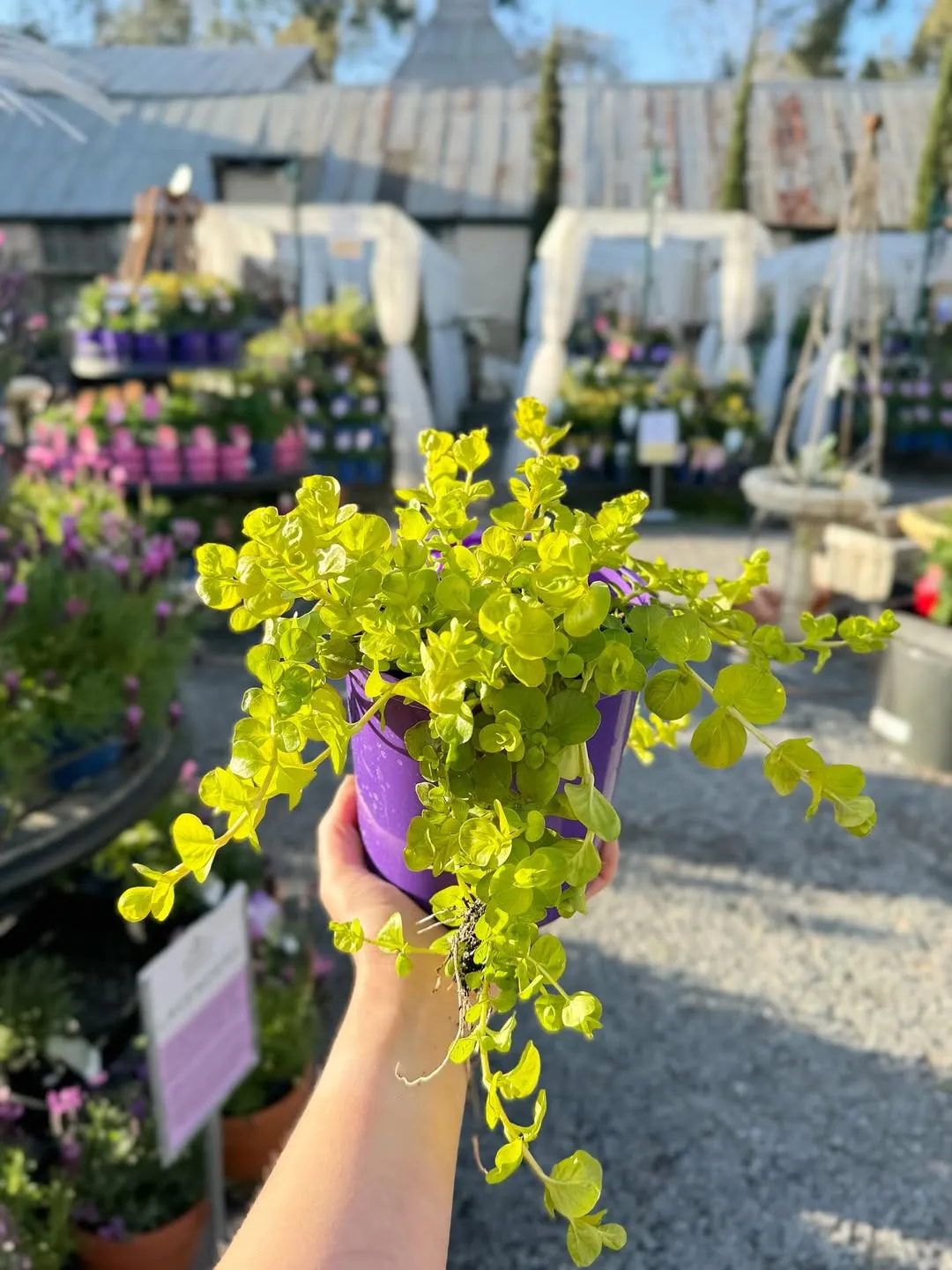
Creeping Jenny is an invasive plant that spreads downward and is usually hung in a hanging pot or basket. This creeper grows so quickly that it might spread all over the place if not checked regularly.
Creeping Jenny has round, bright green leaves with yellow flowers and is mostly preferred for its beautiful and attractive look. It does well in moist areas, and due to the fact that they spread so fast, people recommend plucking them from the root by hand to prevent overgrowth. You can also consider mulching and using landscape fabric to prevent them from growing back.
Japanese Honeysuckle
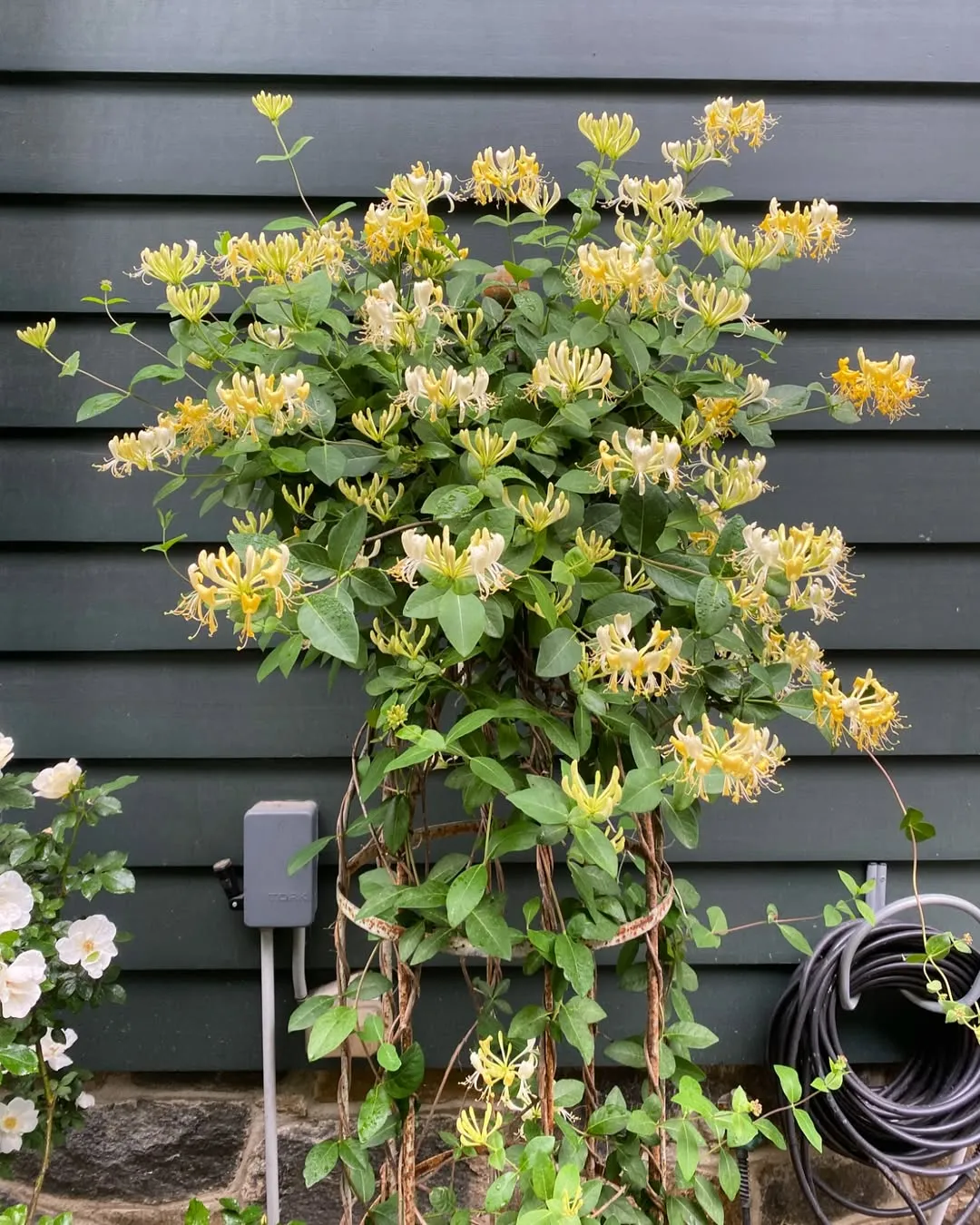
Japanese Honeysuckle is an ornamental plant, some may even consider it a weed. It blooms with beautiful white to yellow flowers with an alluring fragrance. They also bear small, black berries and grow by twining themselves to the nearby plants and objects. Thus, creating a lush and abundant ground cover either on the ground or on the overhead object.
They can choke the plant around the area; hence, it is considered invasive in some regions of the US. Despite being fast-spreading, you can easily get rid of them whenever you want. All you need to do is pull them out with roots intact so that it does not grow back. In addition, you can apply glyphosate-based herbicide directly on the cut stump to prevent regrowth.
Myrtle Spurge
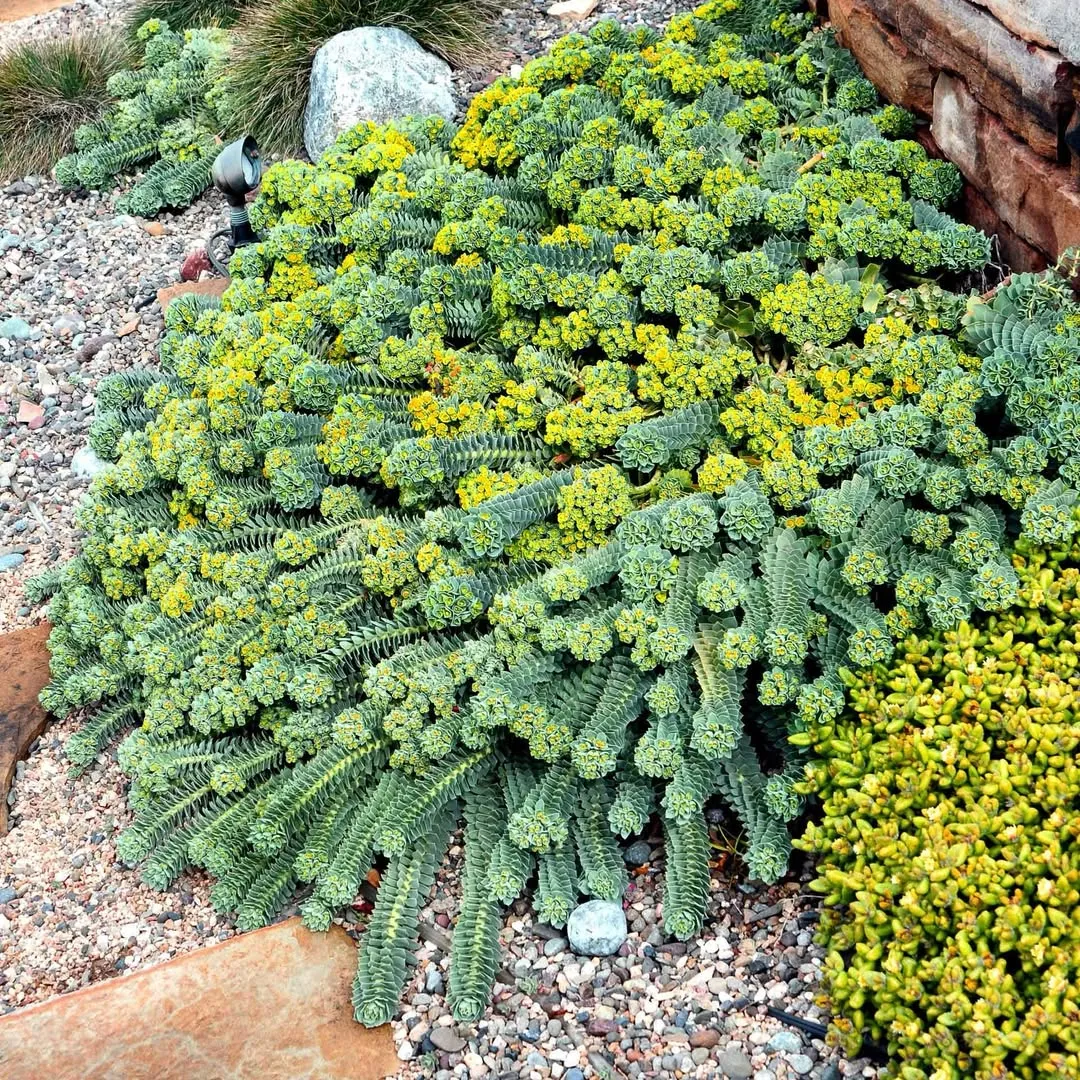
Though not completely yellow, Myrtle Spurge features yellowish-green flowers. The flowers are spiral-shaped and thrive in dry and sunny areas. Remember, in addition to being invasive, it is also toxic to humans and pets if swallowed. The sap of the plant can burn the skin and cause irritation, which often results in redness and swelling.
They look beautiful and can be planted outside. However, if you ever wish to remove them from the garden, consider wearing gloves to avoid irritation. The best way to prevent them from growing back is to dig out the root system. You can also apply a systemic herbicide as an effective method.
Lesser Celandine
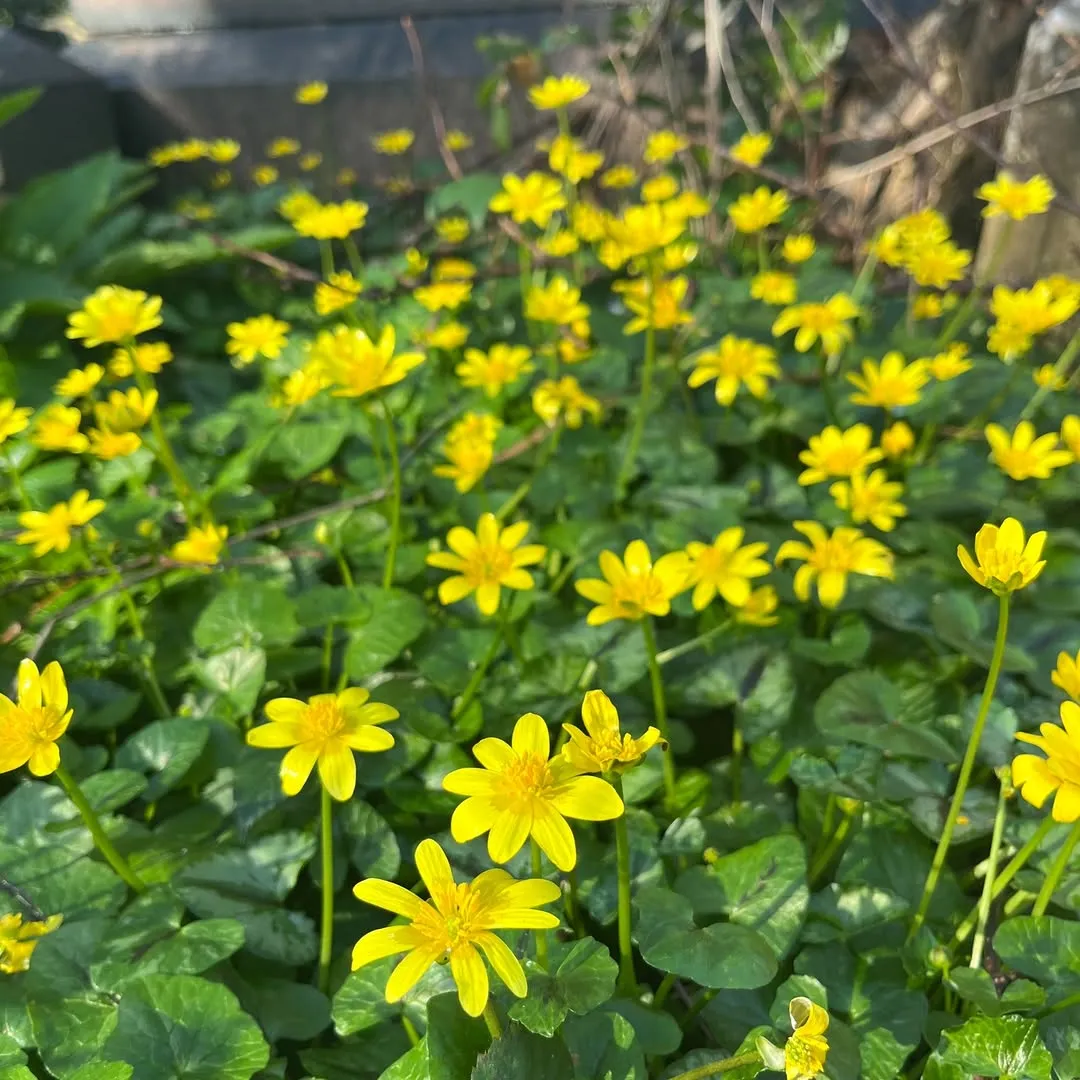
Lesser Celandine is another invasive ground cover with yellow flowers and kidney-shaped leaves. This plant prevails in moist, shady areas and can form a dense ground cover due to its invasive nature. They can smother other plants, and some homeowners don’t like the sight of Lesser Celandine, because, in their opinion, this creeper can ruin the aesthetic of the property.
They are easy to control, as it is advised to pluck the plant from the root before they produce bulbils and tubers. You can also use herbicides, but it is important to be careful and monitor any new growth.
Conclusion
The ground covers mentioned above look aesthetically pleasing in the garden if you maintain and care for them properly. In addition to the looks and appearance, they are quite practical, as you don’t have to invest all the time in maintaining and looking after the plants. Some of them are quite low maintenance and can tolerate dry spells, and can also thrive in areas where grass may struggle to grow.