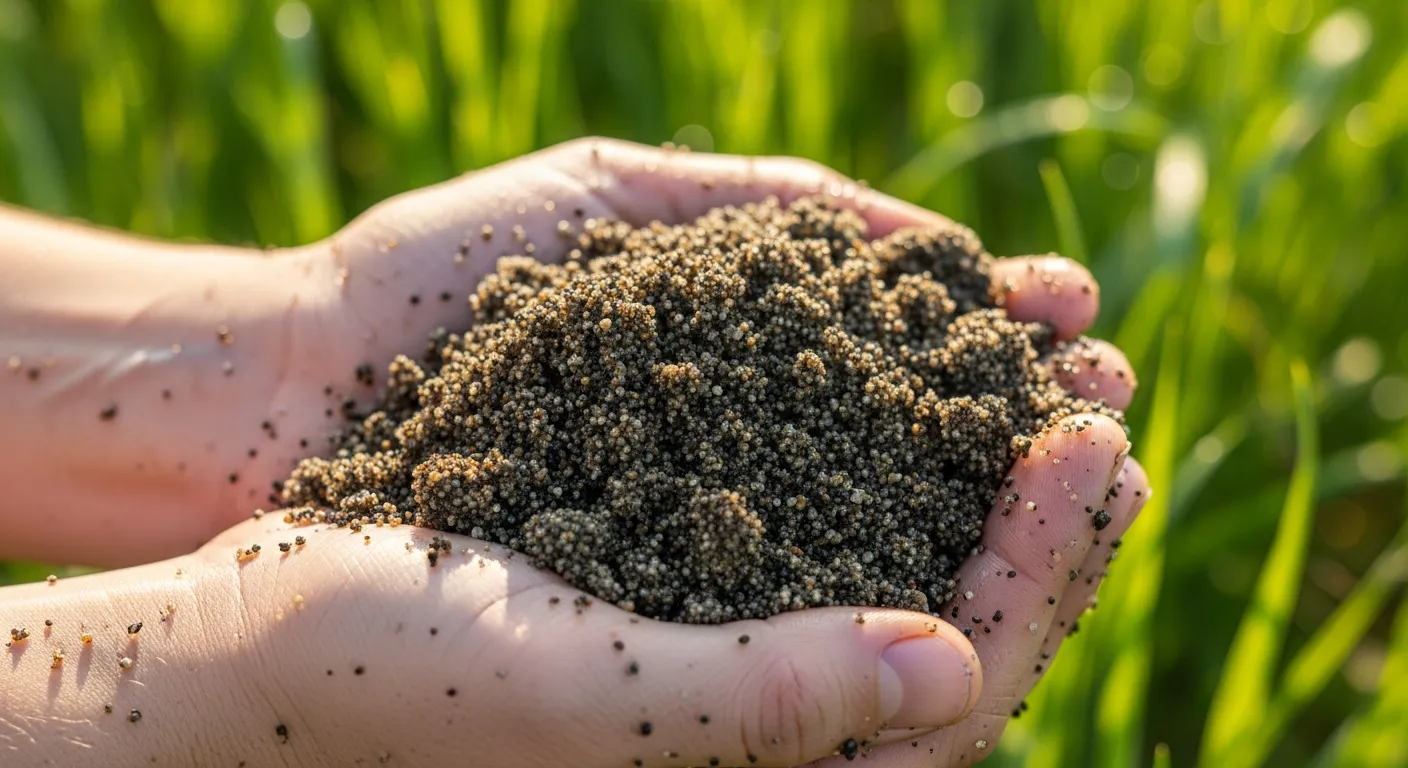
Lawn maintenance is an important part of complete garden care. There are several processes involved in lawn care, like scarifying, aerating, and sanding. Adding sand over the topsoil in the lawn has multiple benefits: it improves growing conditions, neutralizes the soil pH, and more, as discussed later in this article. This blog covers the importance of adding sand to soil, the best type of sand for a lawn, and the method for adding sand to the lawn.
Importance of Adding Sand to the Lawn
Sand is essential for grass, but its effectiveness depends on factors such as scarifying or aerating, the type of soil in the lawn, the amount of sand used, and the equipment used to spread it. Here is the list of the importance of adding sand to the lawn:
- Sand improves aeration, further boosting root growth in the grasses.
- It prevent water logging by improving drainage and water runoff.
- It increases the lawn's capacity to tolerate heavy foot and vehicle traffic.
- If your lawn is used for sports, sand increases the soil's strength.
- It prevents moss formation by quickly drying the lawn surface.
- It can help level the lawn if evenly distributed.
- Sand improves the long-term health of the lawn. Sand can be added in large or small quantities, regularly or intermittently.
| Some Tips | If the lawn has natural sandy soil, don’t topdress it with sand, as sandy soil is already porous, so there’s no risk of waterlogging or soil compaction. |
Best Sand for Lawn
The best lawn sand is a mixture of sand, iron sulphate, and ammonium sulphate. The ratio of all these may vary depending on certain factors, but an ideal sand mix contains 2 % to 4 % iron. Here is the detailed information:
- Always opt for washed lawn sand as it is free of silt, clay, or chemicals.
- Use fine-grain sand for compacted soil.
- Use coarse sand for sandy soil, as it improves soil health and prevents it from being washed away.
- Use sand grains of around 0.3 mm for heavily compacted soil and sand grains of around 1.5 mm for normal ground.
- If the soil in your lawn has a neutral pH (7-8), opt for lawn sand without added calcium.
- For a home garden, the best sand to use is washed, pure quartz sand with a grain size of 0.06 to 2mm.
What is the Right Time to Mow the Lawn?
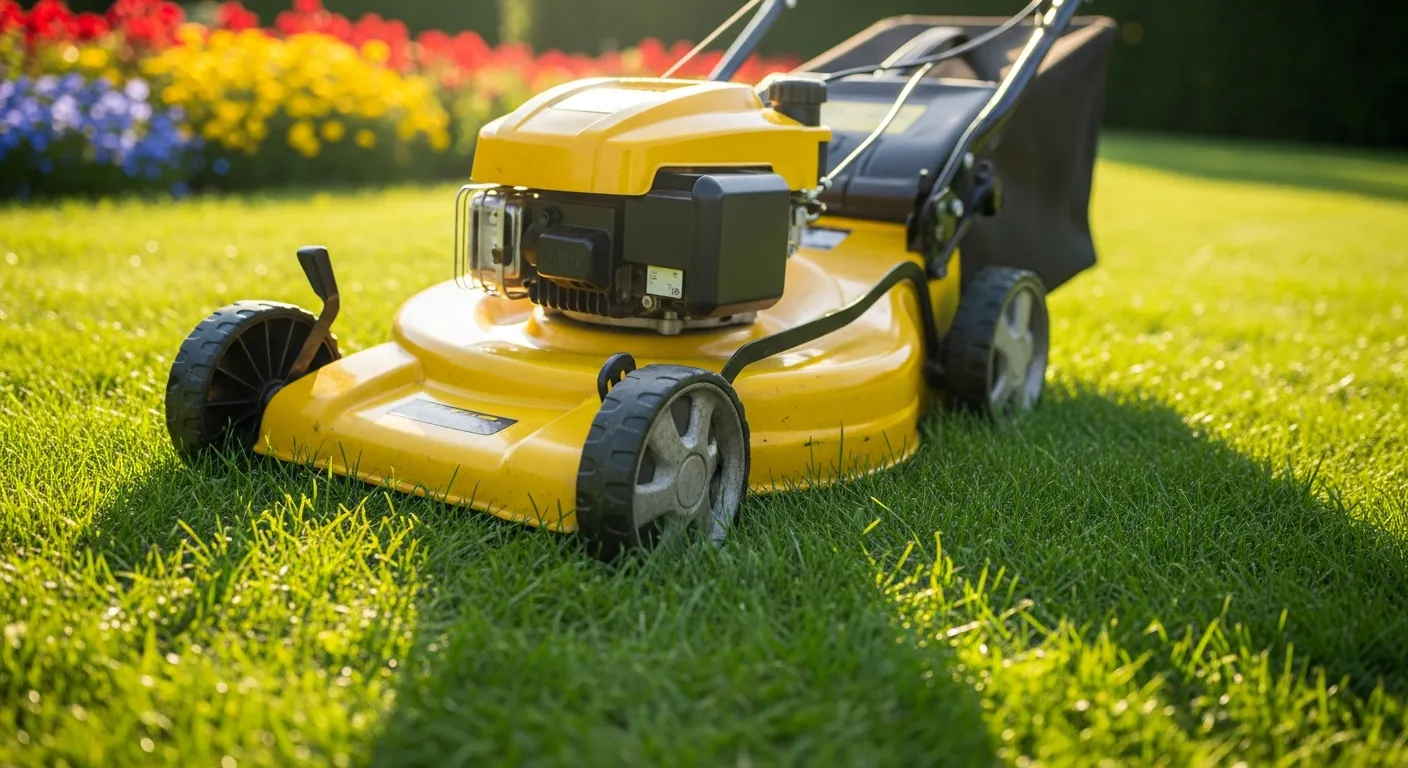
Owing to its non-reactive nature, sand can be applied at any time, but spring is the ideal time. This is because by spring, the lawn is mown short, and scarifying and aerating is also done. You can also lime and fertilize the lawn with sanding, but at different times. If both are applied simultaneously, it may cause a chemical reaction.
Is it beneficial to aerate or scarify the lawn before sanding?- Aerating and scarifying the lawn before sanding is not mandatory, but when you plan to apply a large quantity of sand to the lawn, it’s recommended to aerate and scarify the lawn beforehand for better results.
What is the Right Quantity Per Square Meter of Sand to Lay on the Lawn?
For Sports Field- Usually, the sports field is levelled annually, so use 0.5-1L of sand per m².
Sanding After Scarifying- Use 2-3L of sand per m² when sanding after scarifying.
Sanding After Aerating- Use 3-5L of sand per m² after aerating with slitting blades.
After Using an Aerifier With Hollow Cones- Use 4-6L of sand per m² after using an aerifier with hollow cones.
Tips to Consider When Adding Sand to the Lawn
- Topdress the soil with dry sand, as it spreads evenly and penetrates more effectively.
- To ensure healthy lawn grass growth, add fertilizer a few days before topdressing.
- If you have a large lawn, seek help to get the work done faster.
- Use proper equipment to spread the sand evenly. It’s good to use a pull drag and a ride-on mower to accomplish the task.
- Don’t apply sand heavily or unevenly because it will leave visually unappealing sand globs in the lawn, and sand beneath them can be choked.
- Don’t add sand to clay soil, as it may create a cement-like effect.
Conclusion
Selecting the right sand for the lawn is a vital task because it requires a proper understanding of the lawn's soil type and other factors on which sand application depends. Consider the tips for adding sand, then select the best sand and add it to the lawn.