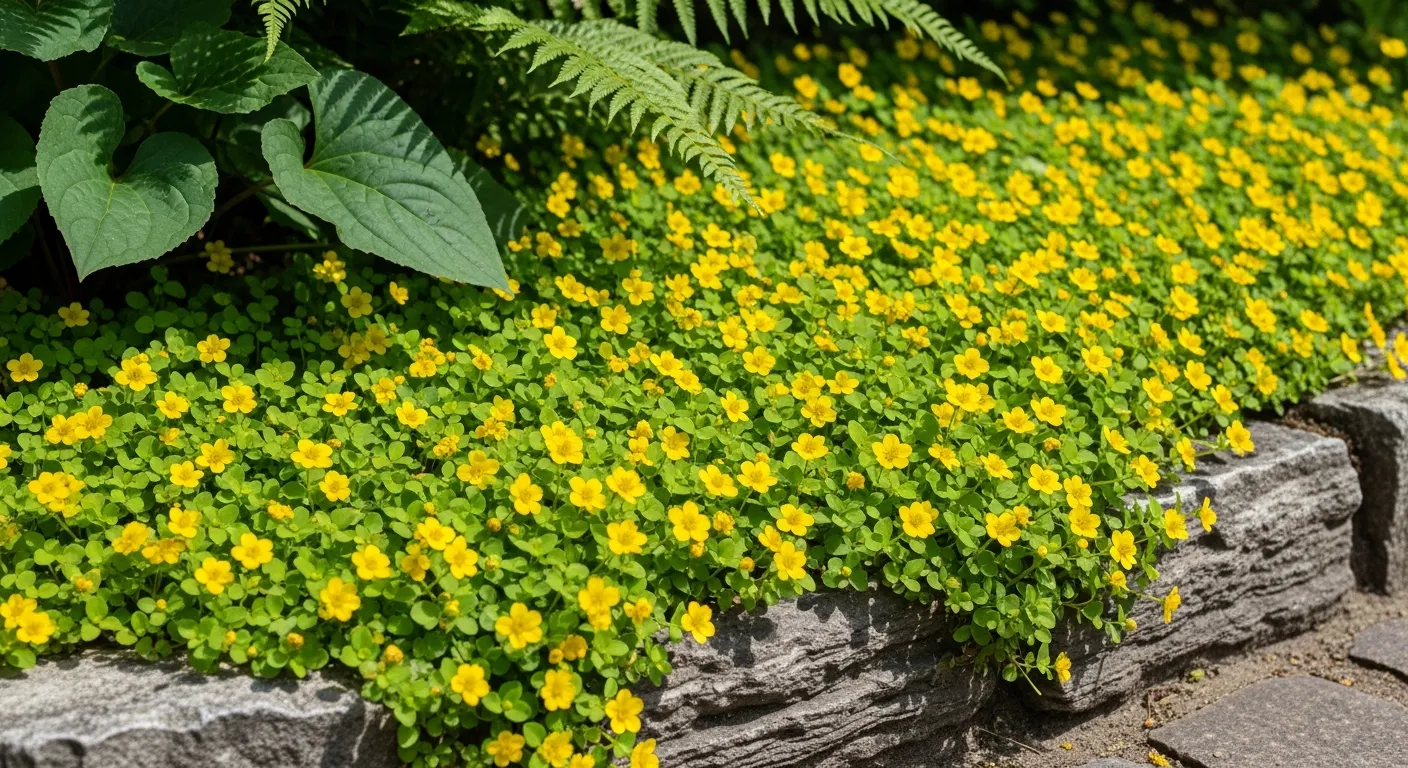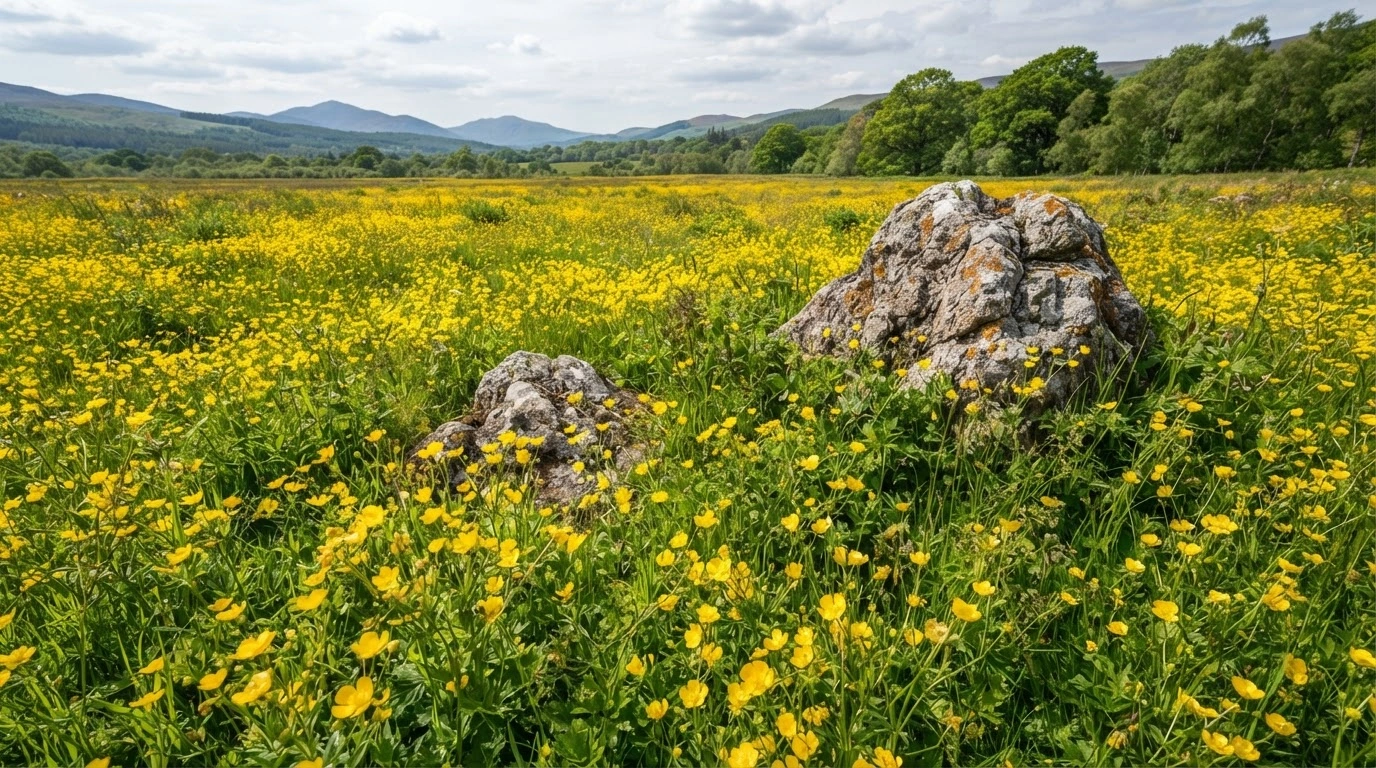
Were you occupied during spring, and are you now thinking of planting flowers in your garden? Do not worry; you can always choose perennial flowers to plant, even in summer. In fall, the blooms covering your garden will be a pleasure to your eyes. While these perennial flowers come in different bright hues, groundcover yellow flowers have their own distinct charm. As you plant these golden wonders in your garden, be ready to witness these rays of sunshine growing back every year on their own.
Black-Eyed Susan
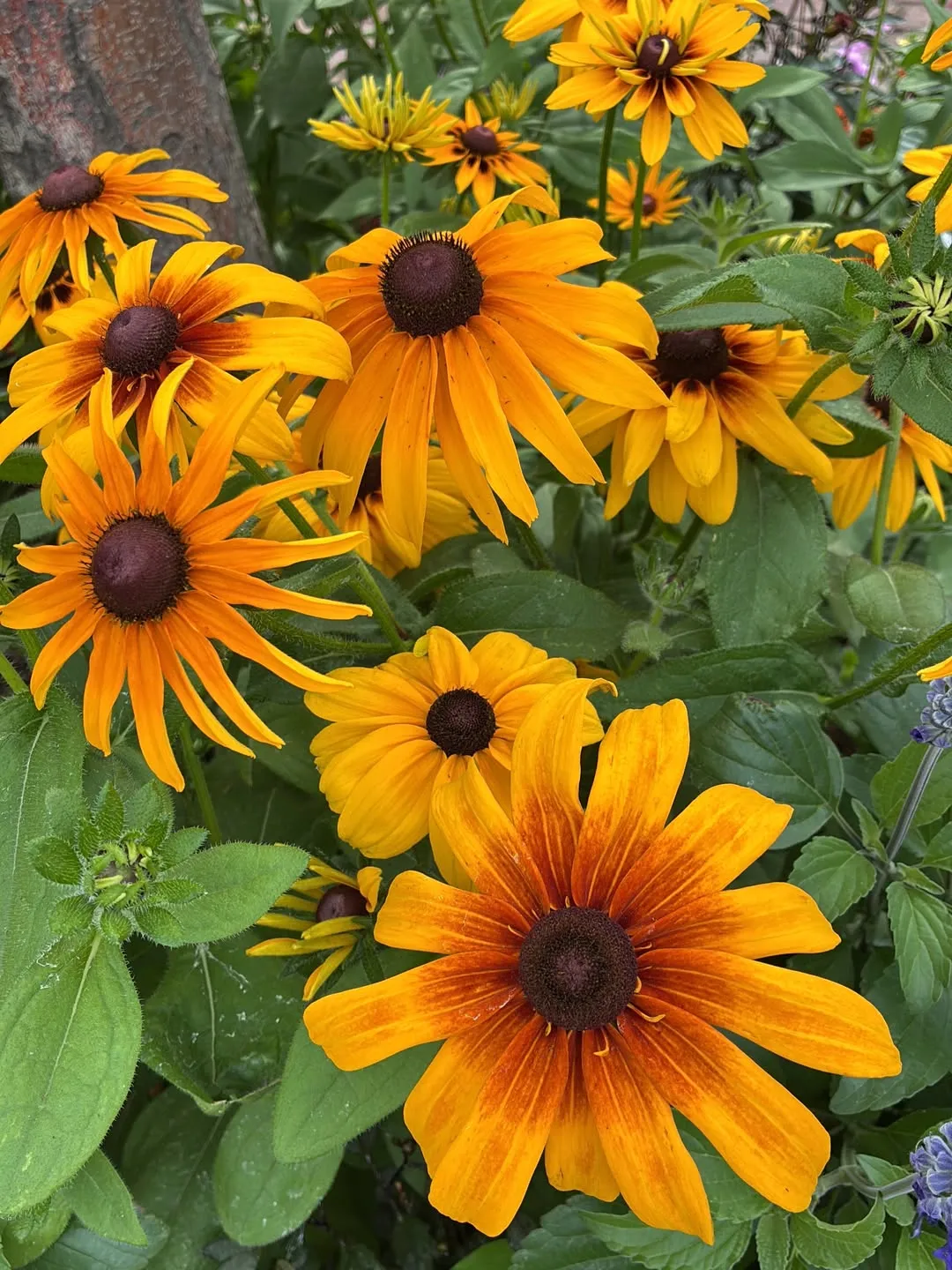
The flowers are called black-eyed because of their dark centers. As these golden yellow colored flowers bloom from mid-summer to fall, you will commonly find butterflies and other pollinators hovering over them. Songbirds also love them in the fall.
Scientific Name: Rudbeckia hirta
Available in US Zones: 3 to 8
Soil Condition Required: Moist and well-drained.
Sunshine: Full to partial
Swamp Sunflower
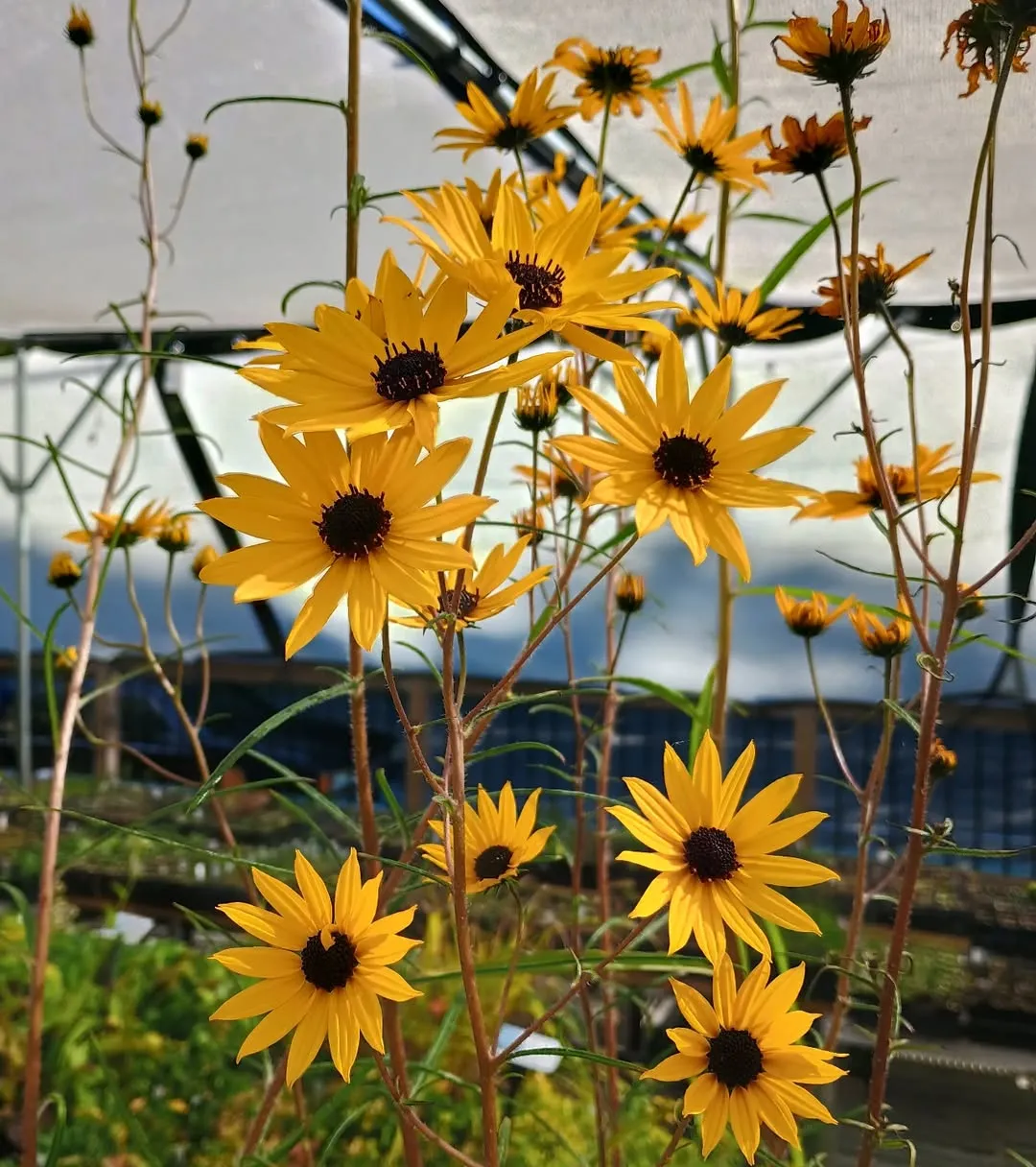
These daisy-like sunflowers can grow almost eight feet tall, making them a perfect choice for a meadow plant. However, if you want, you can even look out for the shorter variations of this flower. A spread-out beauty in meadows, this flower blooms from mid-summer or late summer to fall, attracting a lot of pollinators and songbirds.
Scientific Name: Helianthus angustifolius
Available in US Zone: 5 to 9
Soil Conditions Required: Moist to wet
Sunshine: Full
Tickseed
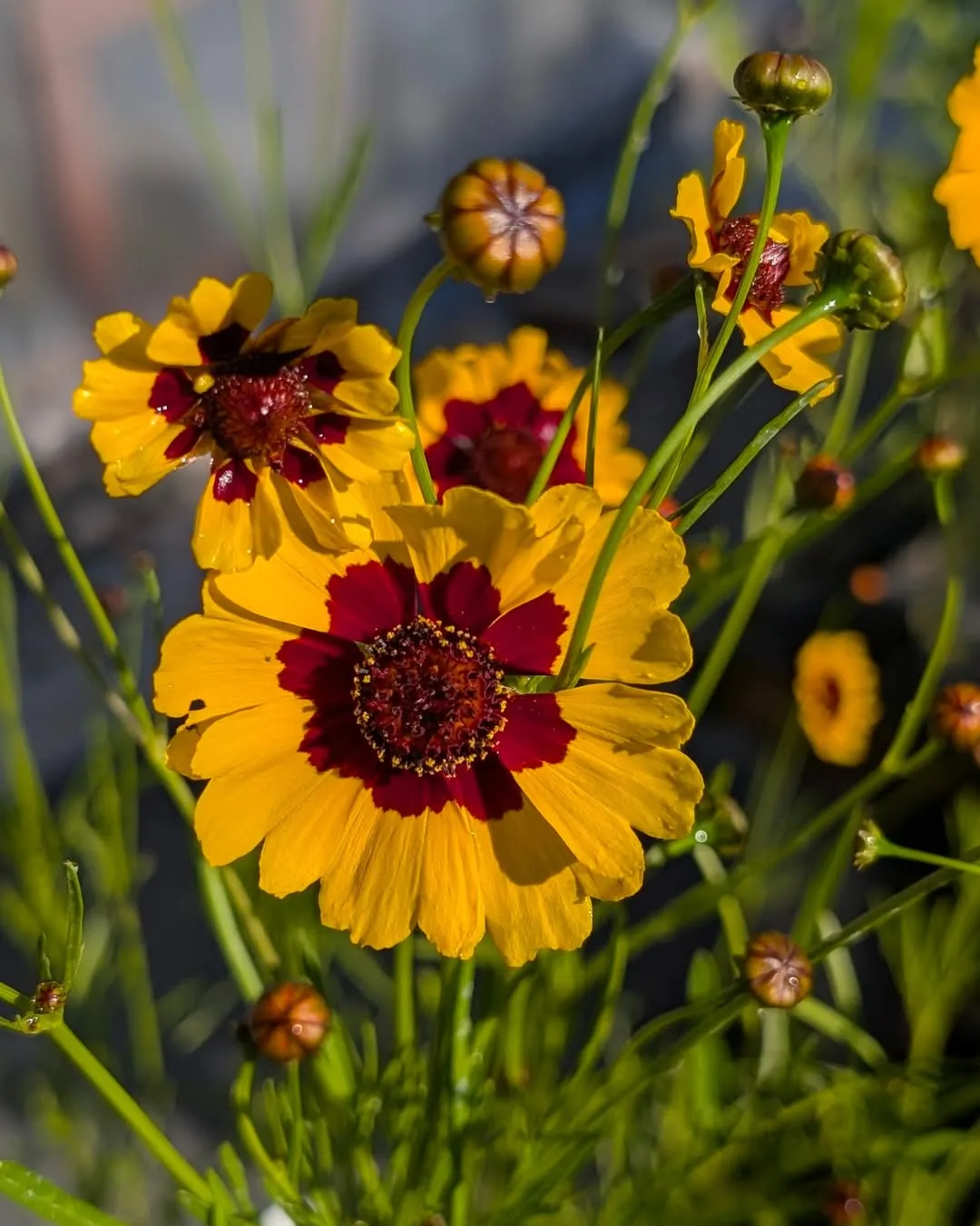
Available in different species, these disc-shaped yellow blooms offer a perfect springtime feel to your backyard. These flowers bloom from spring to early summer and have various striking features, depending on the species you select for your garden. Many people also choose this wild plant because it thrives in humidity, heat, and drought.
Scientific Name: Coreopsis spp.
Available in US Zones: 4 to 9
Soil Conditions: Dry and moist soil featuring good drainage
Sunshine: Full
Sneezeweed
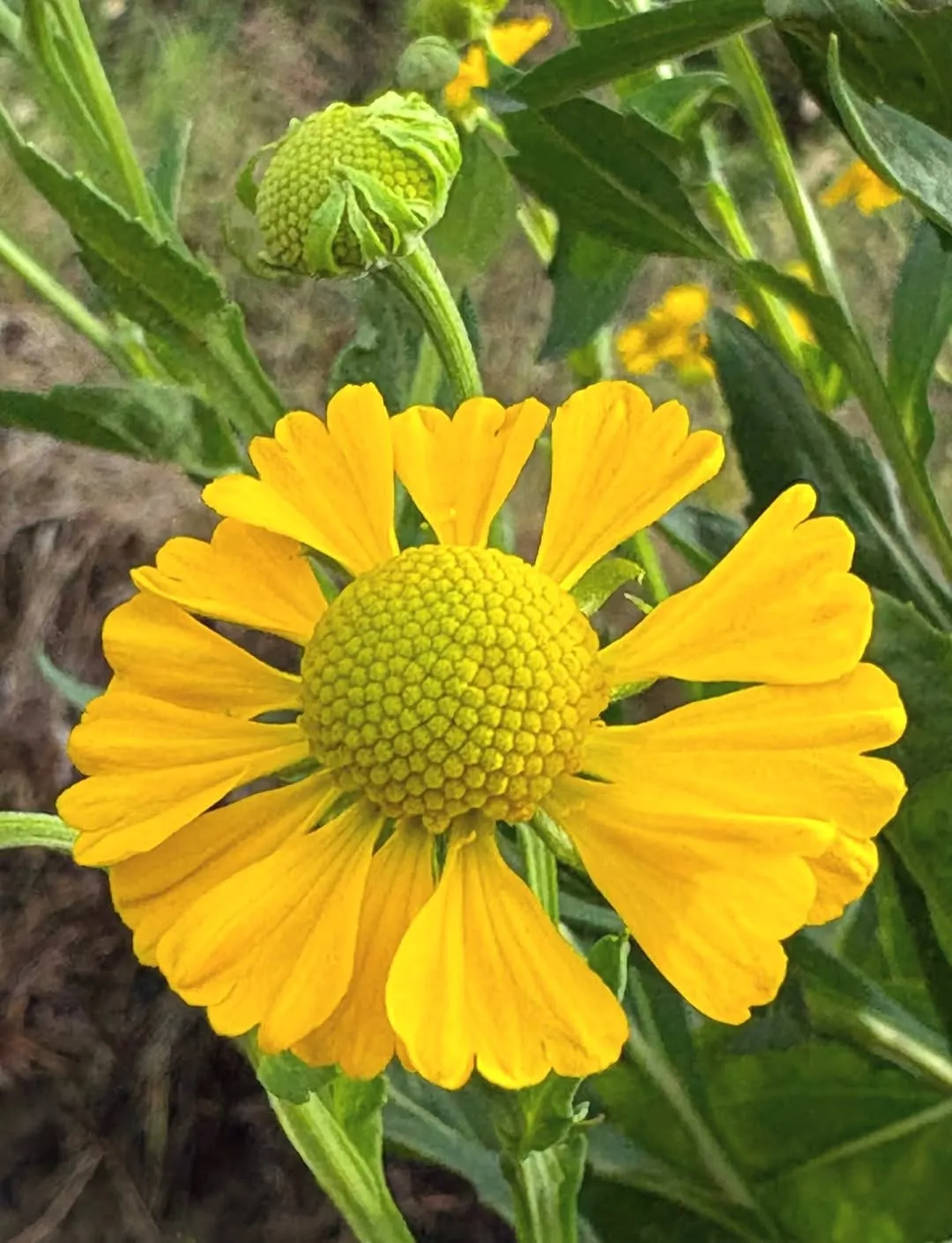
This North American flower has a distinct 3-lobed petal with a duck-foot-like appearance. Standing tall at three feet, this sunny yellow flower is accompanied by lanceolate leaves.
Scientific Name: Helenium spp.
Available in US Zones: 3 to 9
Soil Conditions: Rich and moist with proper drainage
Sunshine: Full
Basket-of-Gold
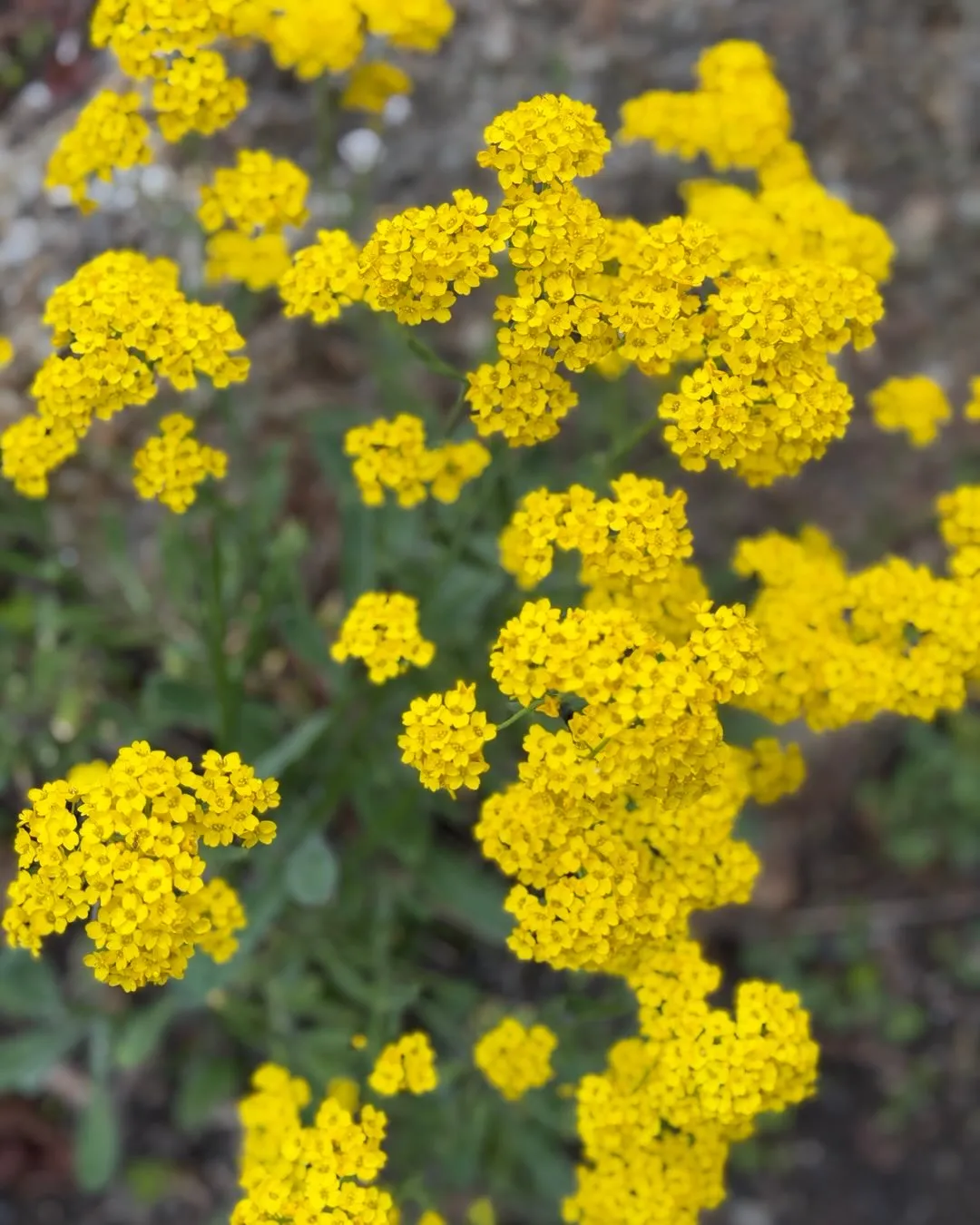
The name does justice to the appearance, as the flowers are produced in masses. These beautiful yellow flowers can magically transform your garden’s aesthetic. Even when the flowers fade out, the velvety gray-green leaves underneath look appealing.
Scientific Name: Aurinia Saxatilis
Available in US Zones: 3 to 7
Soil Conditions: Average to sandy with appropriate drainage
Sunshine: Full
Yarrow
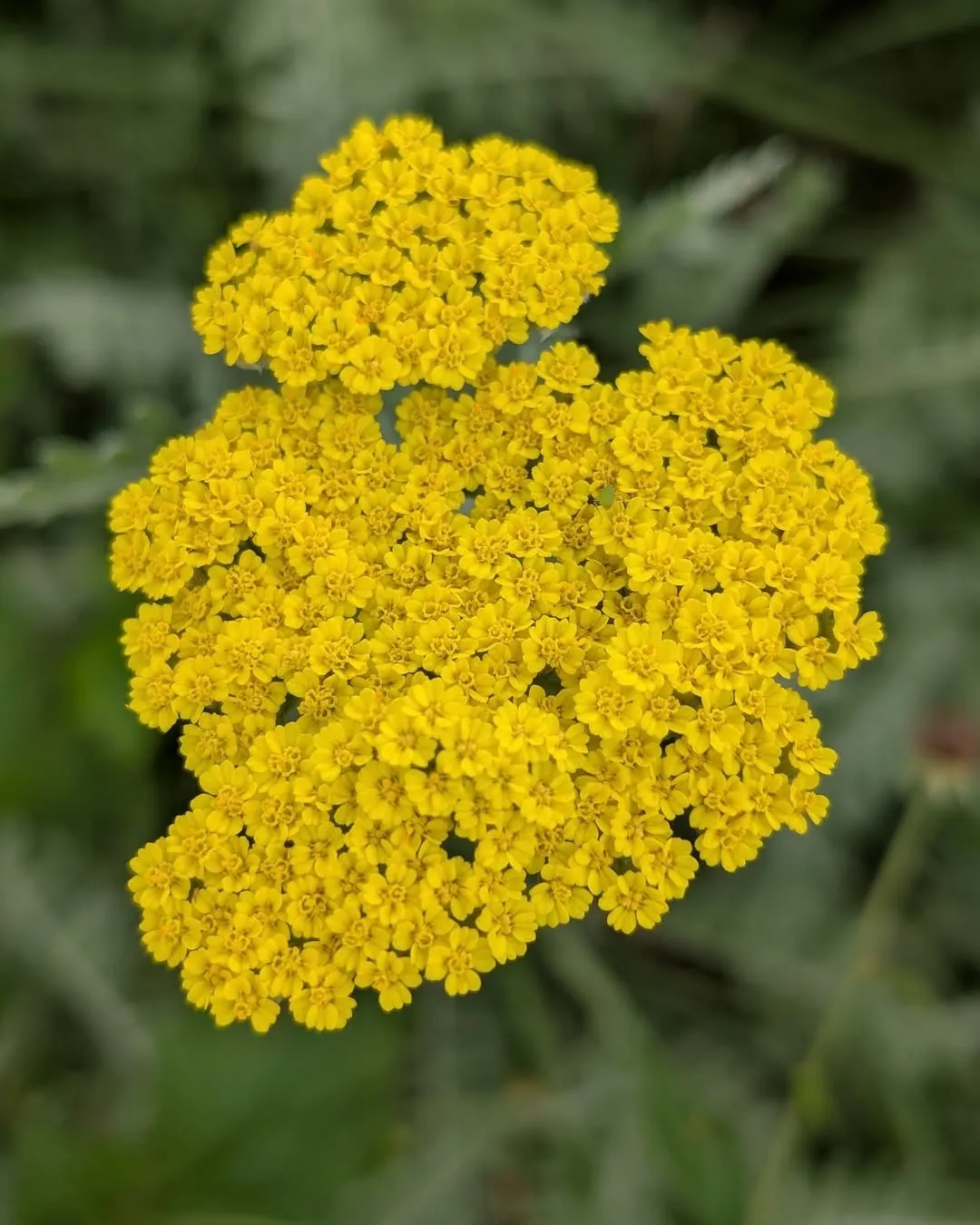
These small yellow flowers bloom in clusters in summer. One of the major qualities of this flower is that it can survive any condition, from drought to dry conditions. Even when the flowers and leaves dry, it retains its fragrance.
Scientific Name: Achillea spp.
Available in US Zones: 3 to 9
Soil Conditions: Grows in any soil conditions
Sunshine: Full to part
Hardy Ice Plant
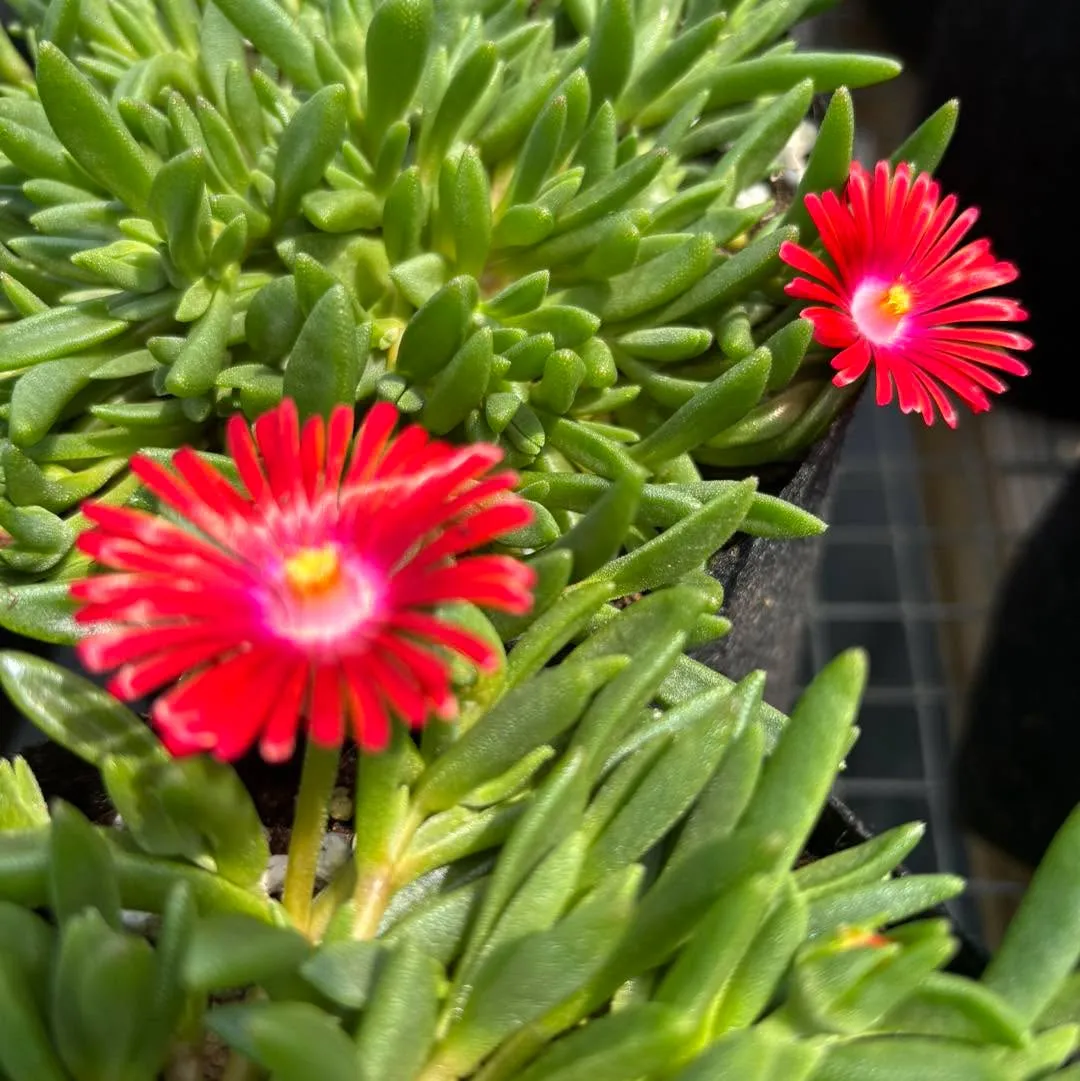
This plant has flowers with narrow yellow petals and bright green, fleshy leaves, offering a beautiful ground cover for rock gardens. The plant grows only 3 inches above the ground and stays beautiful year-round. As the season changes, some of its leaves change color, complementing the yellow flowers.
Scientific Name: Delosperma nubigenum
Available in US Zones: 6 to 9
Soil Conditions: Well-drained
Sunshine: Full to part
Leopard’s Bane
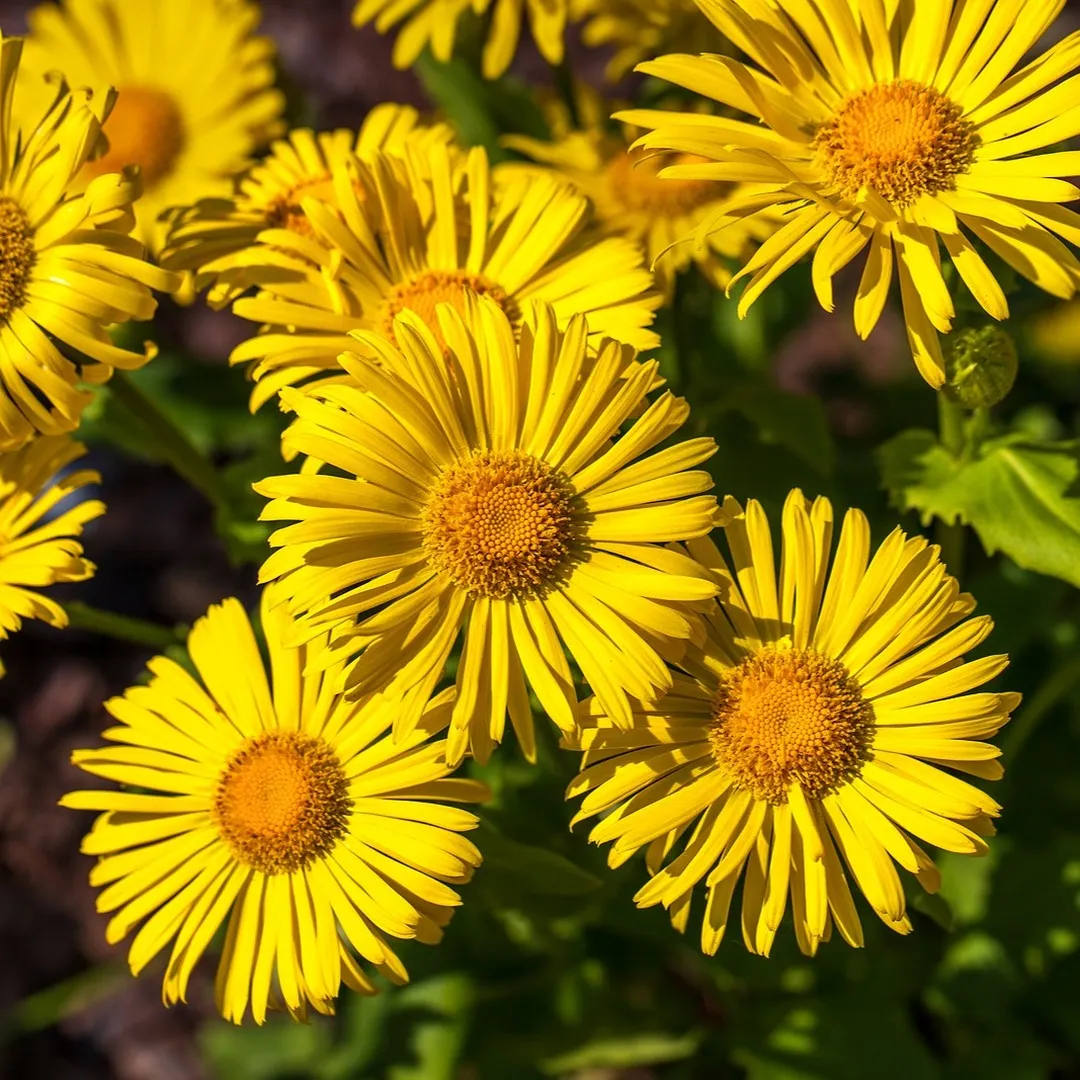
The daisy-like appearance of these flowers pops out beautifully against the heart-shaped leaves. Leopard’s Bane is available in as many as 38 species, ranging from 1 foot to 4 feet. The plant is sensitive to heat and humidity, although it can keep growing throughout the year in warm weather conditions.
Scientific Name: Doronicum spp.
Available in US Zones: 4 to 7
Soil Conditions: Moist and well-drained
Sunshine: Part shade
Jerusalem Sage
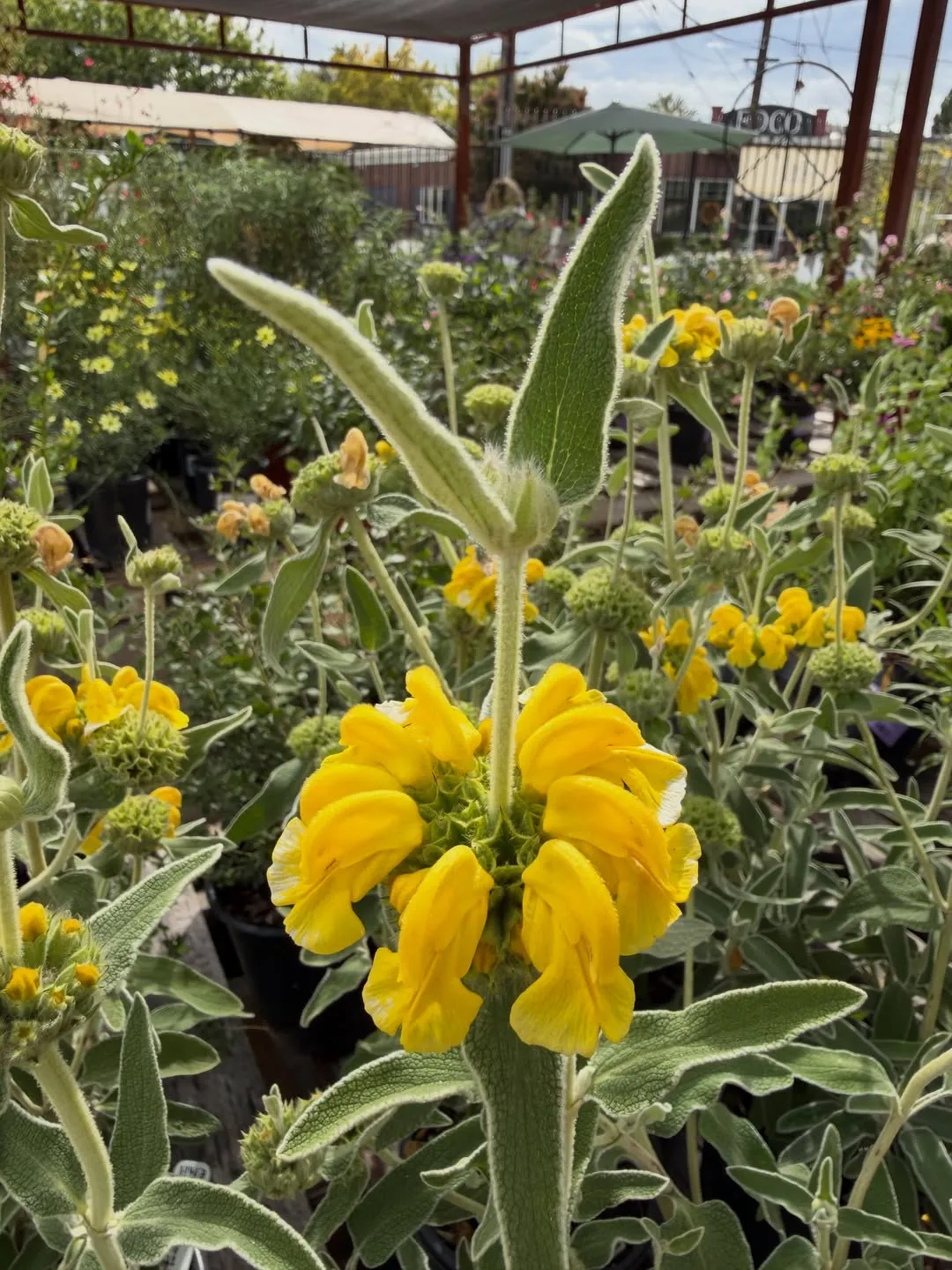
These tubular flowers bloom from late spring to late summer. The star-shaped cluster in the center of the flowers offers a unique appearance. At the same time, the woolly-textured gray-green leaves also look attractive and can stay evergreen in areas that experience mild winters.
Scientific Name: Phlomis fruticosa
Available in US Zones: 5 to 10
Soil Conditions: Dry to moist and well-drained
Sunshine: Full
Blanket Flower
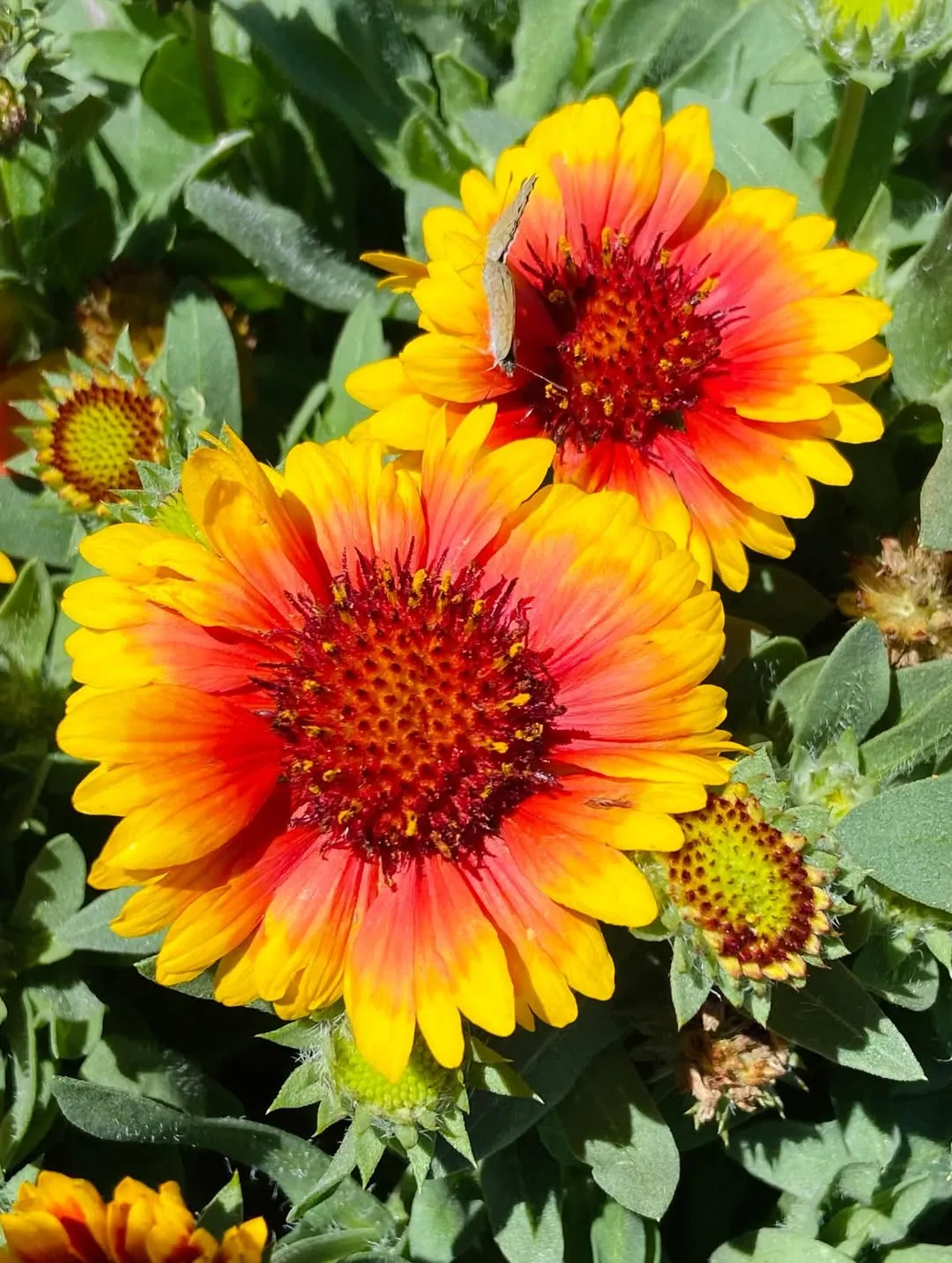
If you wish to break the monotony of yellow, a blanket flower is a perfect option. These yellow flowers also have a tint of orange and red to give that spring feel. The best part about these blanket flowers is that they bloom in spring, summer, as well as in fall.
Scientific Name: Gaillardia x grandiflora
Available in US Zones: 3 to 10
Soil Conditions: Acidic, neutral, and well-draining
Sunshine: Full
Golden Alexander
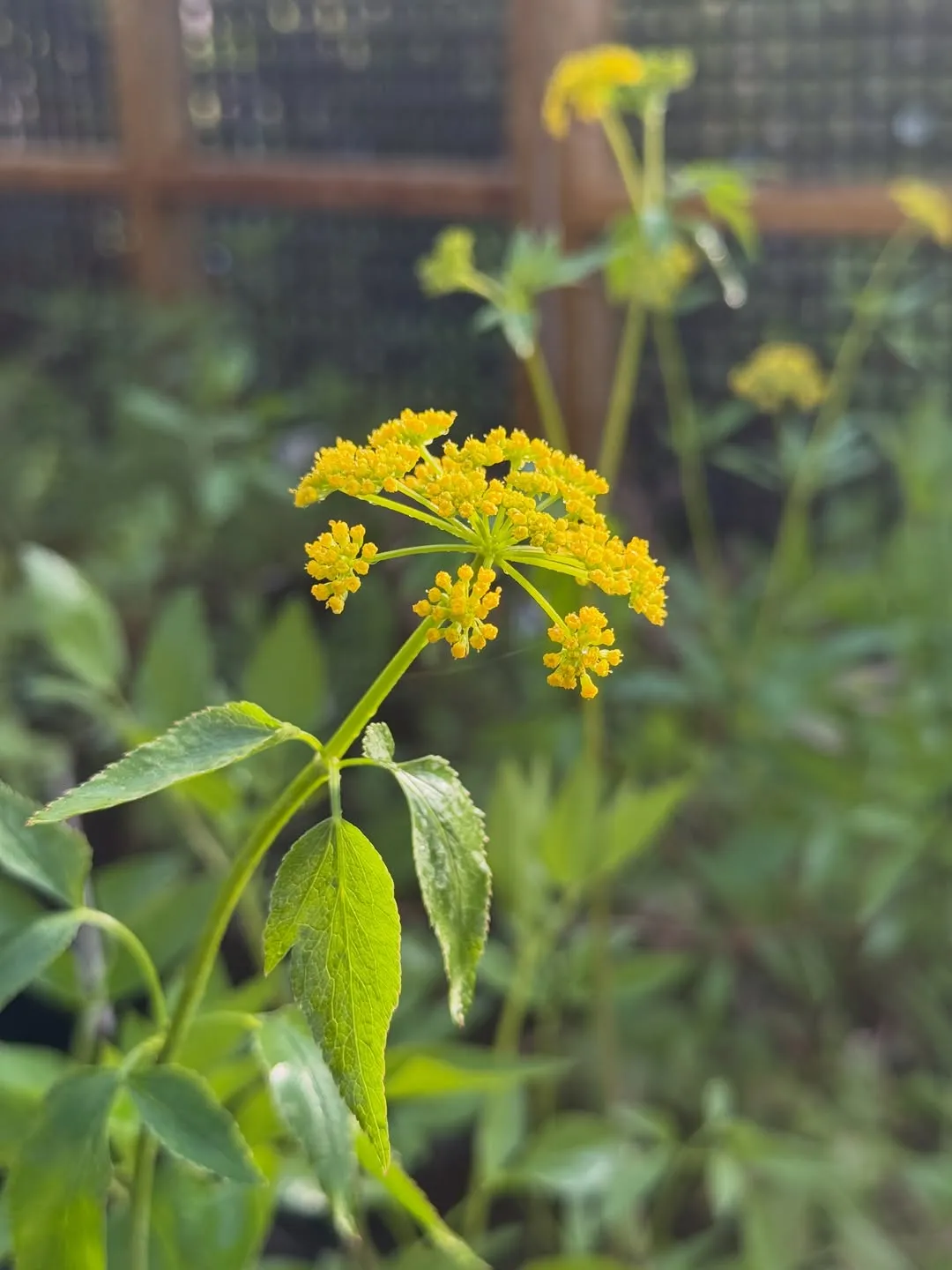
These are tiny yellow flowers resembling fireworks that bloom in clusters on the topmost part of the plant. It has an extended bloom period of about a month and attracts pollinators early in the spring. While it grows 3 to 4 feet in height, it spreads over an area of 2 feet. Ideal for your garden’s naturalized area, these plants are also drought-resistant.
Scientific Name: Zizia aurea
Available in US Zones: 3 to 8
Soil Conditions: Can thrive in different soil varieties
Sunshine: Full sun to part shade
Golden Star Plant
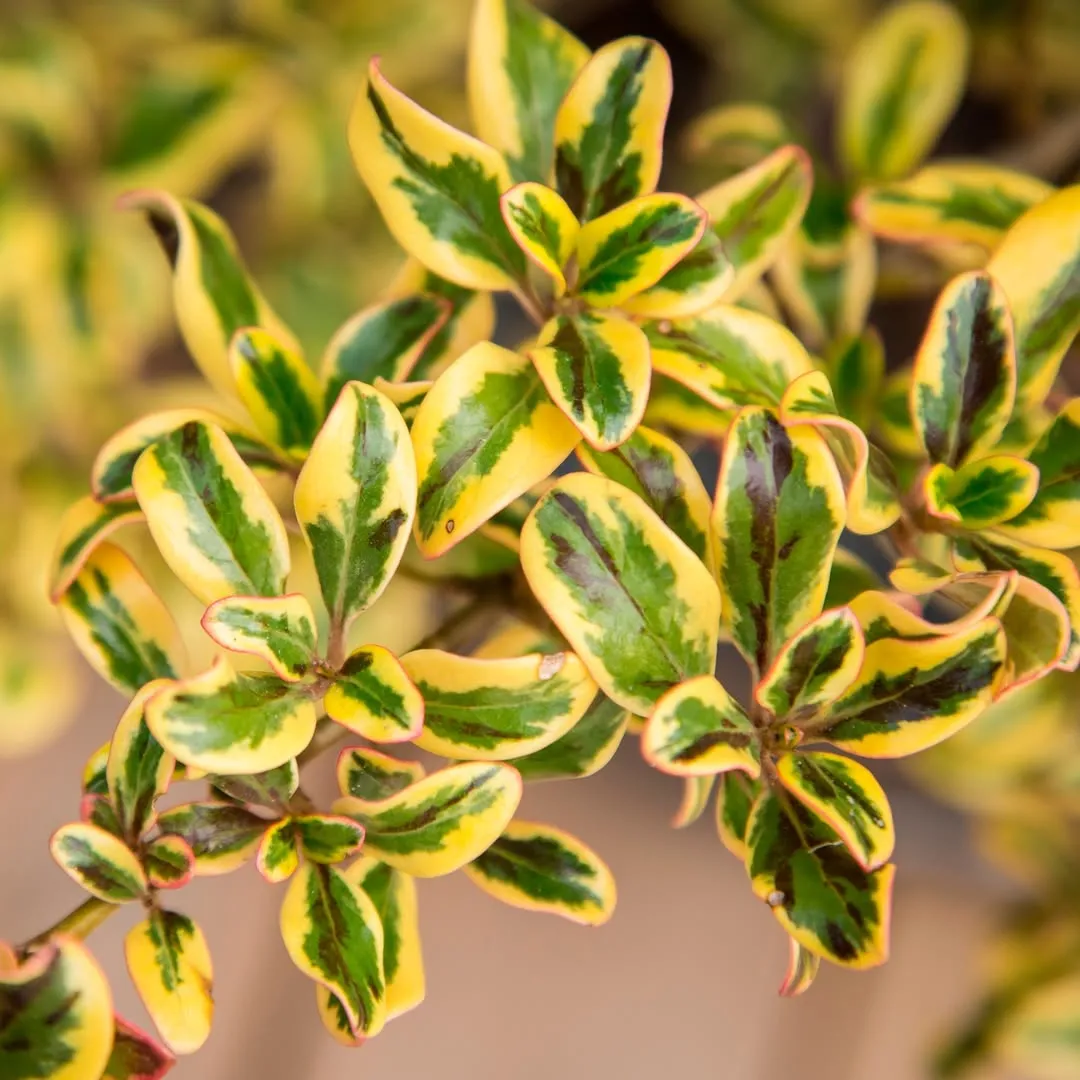
The star-shaped yellow flowers of this plant create a perfect ground cover for your garden. Apart from its beautiful view, this plant also attracts various small birds with its berries. Moreover, when you are in search of a great perennial ground cover with yellow flowers, this can be one of the best options.
Scientific Name: Chrysogonum virginianum
Available in US Zones: 5 to 9
Soil Conditions: Rich and well-draining
Sunshine: Partial to full shade
Conclusion
When it comes to perennial plants and flowers, there is an endless list of options one can choose from. However, when you are in search of these flowers in a yellow shade, there are some very common native cultivars. Whether you talk about the very famous black-eyed susans or the hardy Yarrow, each one of them can bring a touch of spring to your garden during the fall season. Moreover, if you wish to get a ground cover option for a garden that blooms throughout the year without planting every year, you can easily pick one from various options available.