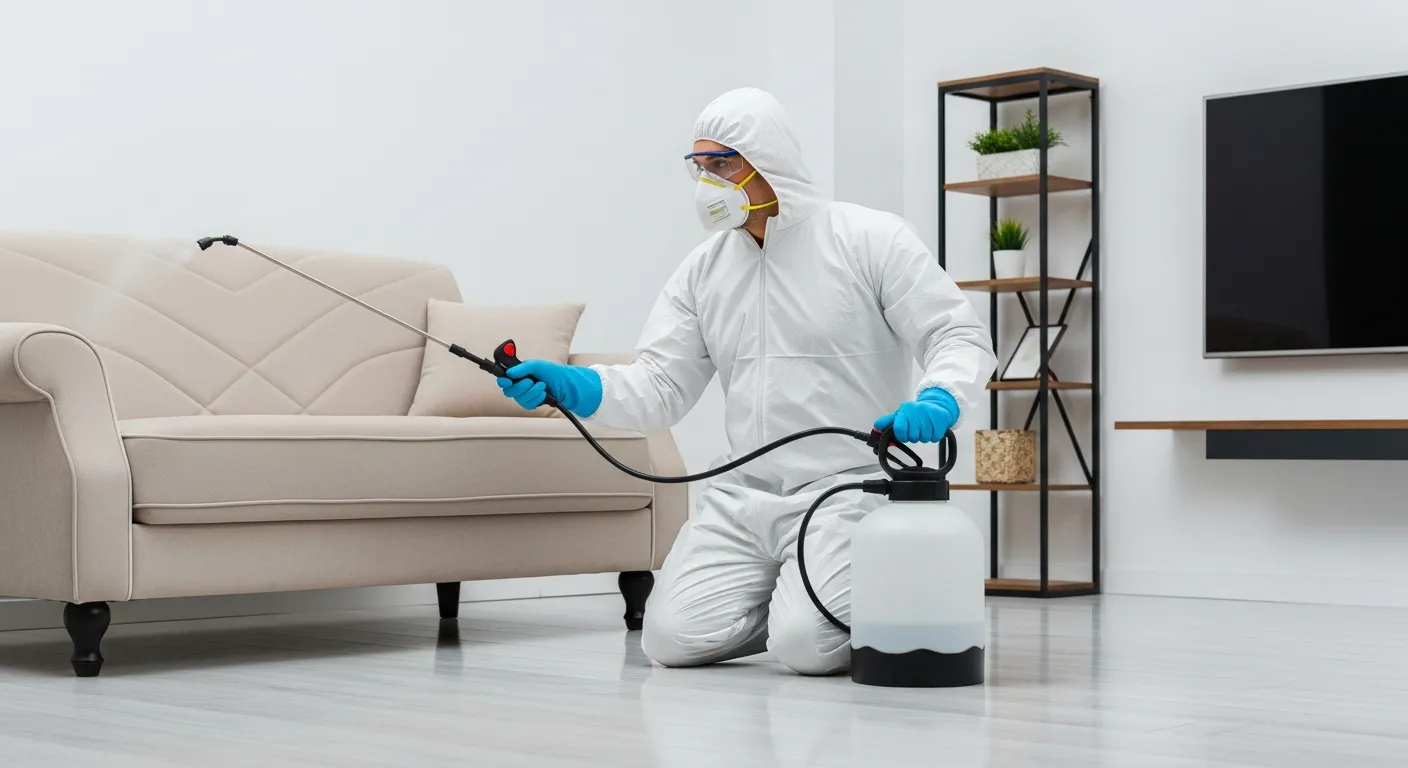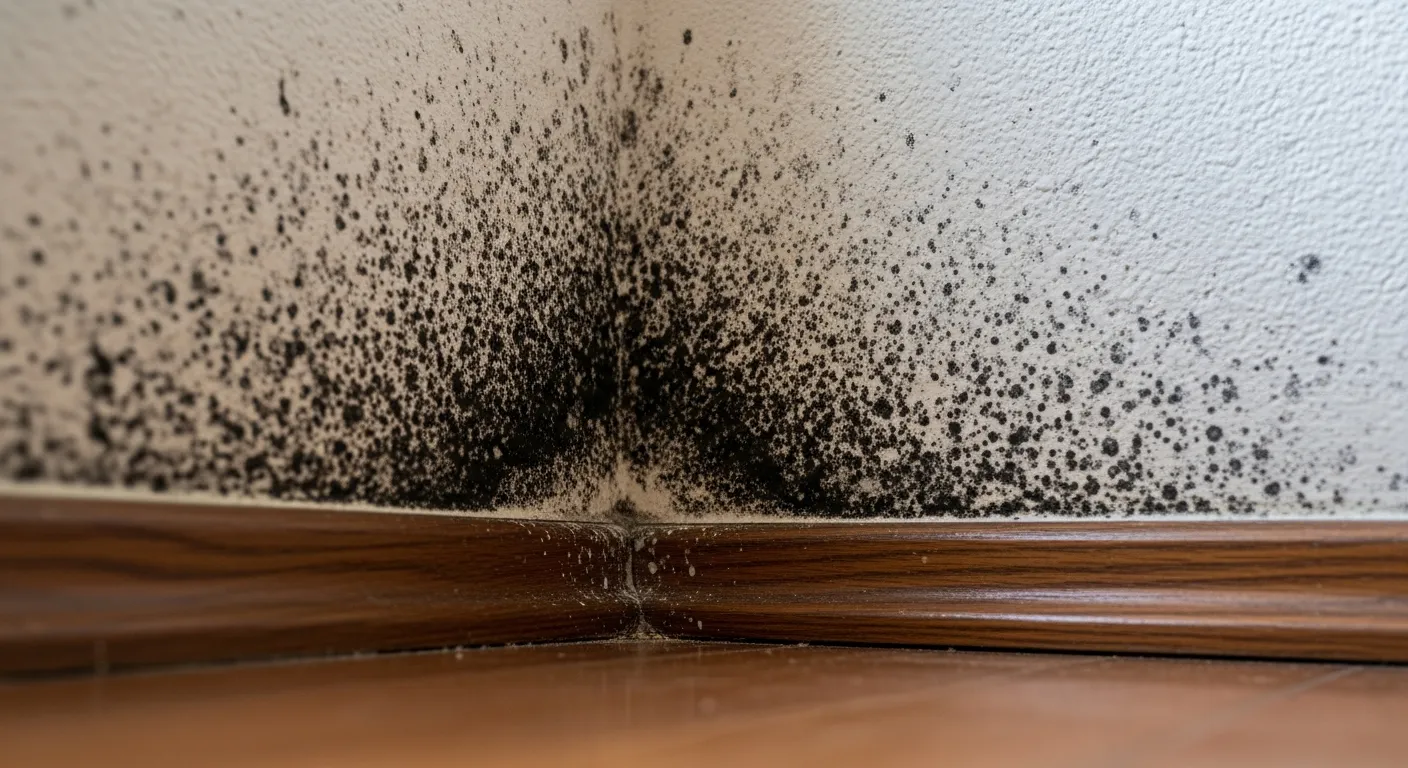
Black mold is a common problem you may see in your home, especially around the shower, dishwasher, and washing machine. This is because mold thrives in damp, dark, and warm environments. Homeowners look for easy and effective solutions to get rid of mold and consider vinegar. White vinegar effectively removes mold, but on certain surfaces, it doesn’t work much. This blog mainly highlights whether vinegar is an effective way to remove black mold, along with a few other related aspects.
Does Vinegar Kill Black Mold?
Vinegar undoubtedly kills mold, but only from the surface and doesn’t remove mold spores to prevent their growth in the future. Homeowners often consider white vinegar an effective and affordable solution, only to realize they won’t get the desired result. When disturbed, mold spores spread throughout the house, leading to respiratory problems, especially for those with allergies.
Vinegar helps clean mold growth on non-porous surfaces, but it doesn’t really address the root cause to inhibit future growth. It is not at all effective at reaching beneath the surface of porous materials such as drywall or wood. The acidic compound in vinegar is not strong enough to inhibit root mold growth.
Tip: Don’t rely on the visible clean surface, because the mold continues to grow beneath it and regrow while the surface looks cleaner.
Why Vinegar Works Against Mold?
Vinegar is an affordable option to treat mold as it contains antifungal and antibacterial properties. White vinegar is also used for household cleaning because it contains acetic acid, a strong acid that effectively prevents the growth of fungi and other microorganisms. However, keep in mind that it will work on non-porous surfaces but not on porous ones, because vinegar doesn’t penetrate beneath the surface.
How to Use Vinegar to Kill Black Mold?
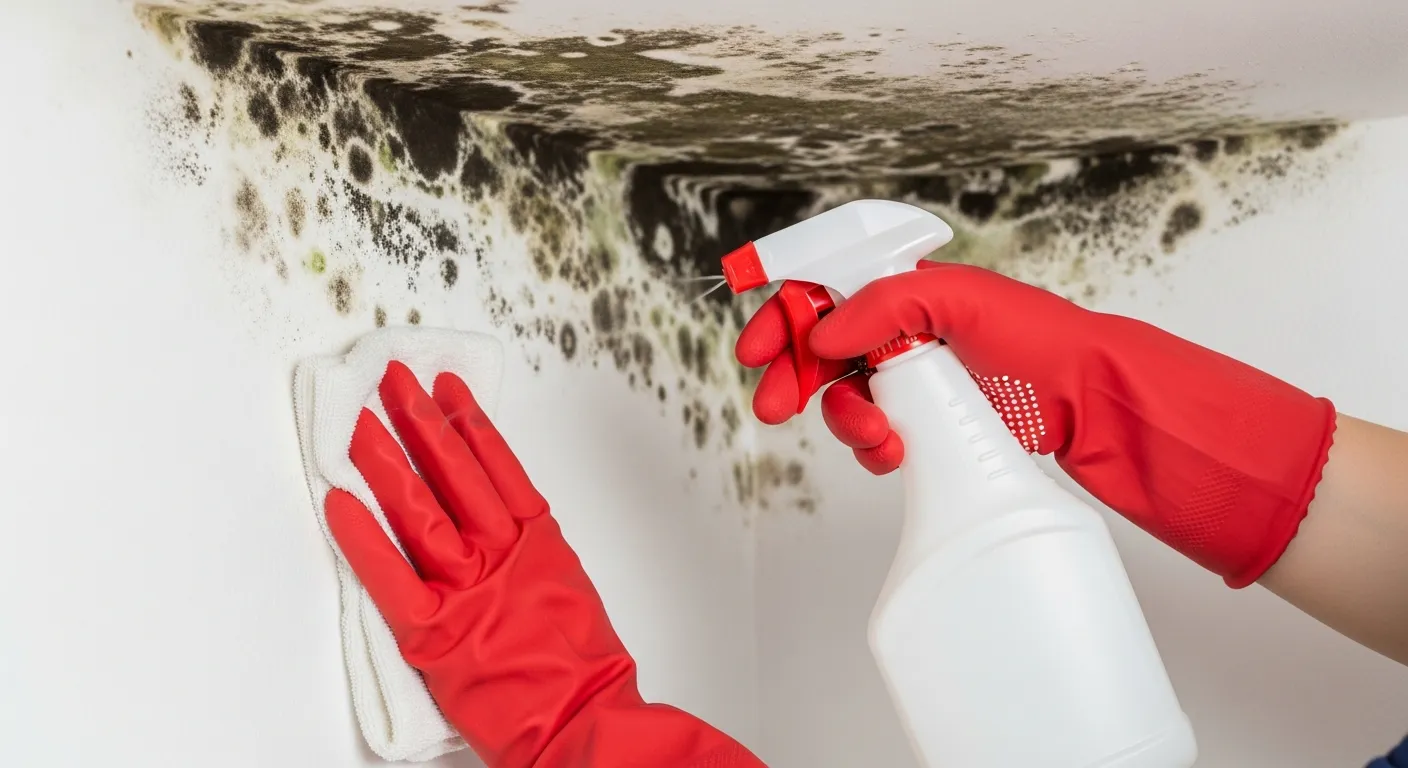
Vinegar has low acid content, so it can be used undiluted. As vinegar contains acid, though in a small amount, it should not be used on aluminum, cast iron, waxed wood, or natural stone because vinegar can damage the surface. Here is the step-by-step process to use vinegar to kill black mold.
Materials Required:
Before starting the cleaning process, it’s important to gather all the supplies and keep them handy.
- White vinegar
- A spray bottle
- Baking soda
- Scrub brush
- Safety gear like gloves, mask, and goggles
Step 1: Wear Protective Gears
Airborne spores are harmful, and any contact with mold can affect your health; therefore, wear safety gear such as goggles, gloves, and a mask before starting the cleaning process. Also, the acid content in vinegar can cause skin irritation, so protective gear can help prevent the harmful effects.
Step 2: Spray Vinegar Over the Mold
Grab the spray bottle and pour enough undiluted white vinegar to cover the mold growth. Then, spray the solution directly over the mold and leave it for an hour. It will help mold to absorb vinegar completely.
Step 3: Prepare Baking Soda Scrub
Prepare a baking soda solution by mixing a tablespoon of baking soda and two cups of water in a spray bottle. If the spray bottle used to spray the vinegar solution is empty, use it, or pour the leftover solution and use it to spray the baking soda mixture. After an hour has passed as suggested in step 2, scrub the mold and stains.
Step 4: Final Cleaning
Once scrubbing is done, rinse the complete area with clean warm water. Finally, spray vinegar once more to sanitize the affected area, then allow it to air-dry completely. This step helps remove any leftover mold and prevent it from regrowing.
Where Vinegar Works Best?
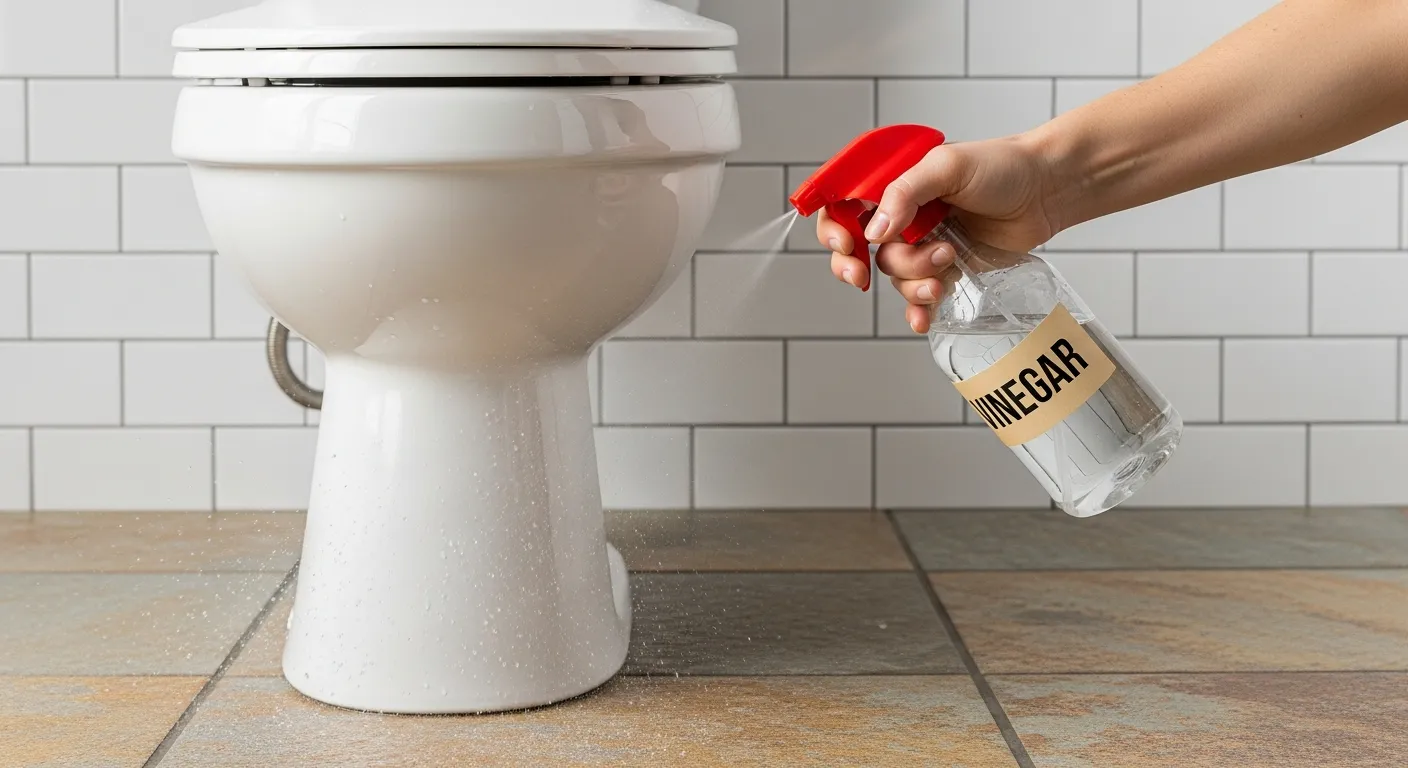
Although vinegar is not used on porous surfaces and other areas where deep penetration is essential to kill mold, it works best when left overnight. As vinegar contains 5% acetic acid, it goes beneath the surface in:
- Bathroom grout
- Tile corners
- Shower caulking
- Porous surfaces
- Unsealed wood
Where Vinegar Shouldn't Be Used?
There are certain types of surfaces where you should avoid using vinegar. Here is a list of such surfaces:
Stone Surfaces: Stone surfaces like marble and limestone can be damaged by vinegar.
Wooden Floors: Vinegar can break down the protective layer of wooden floors; hence, it is suggested that vinegar should not be used.
Electronic Screens: Electronic screens have anti-glare features which can get damaged if vinegar is used. So, avoid using vinegar to clean the electronic surface.
Certain Metals: Materials like aluminum, copper, or even stainless steel may corrode if vinegar is used to clean their surfaces. Therefore, it’s suggested not to use it on these surfaces.
Porous Surfaces: Vinegar is a well-known cleaning agent that should not be used on porous surfaces because it fails to reach the bottom of the surface and, as a result, it doesn’t work on the root of the mold growth.
Vinegar vs. Bleach for Black Mold
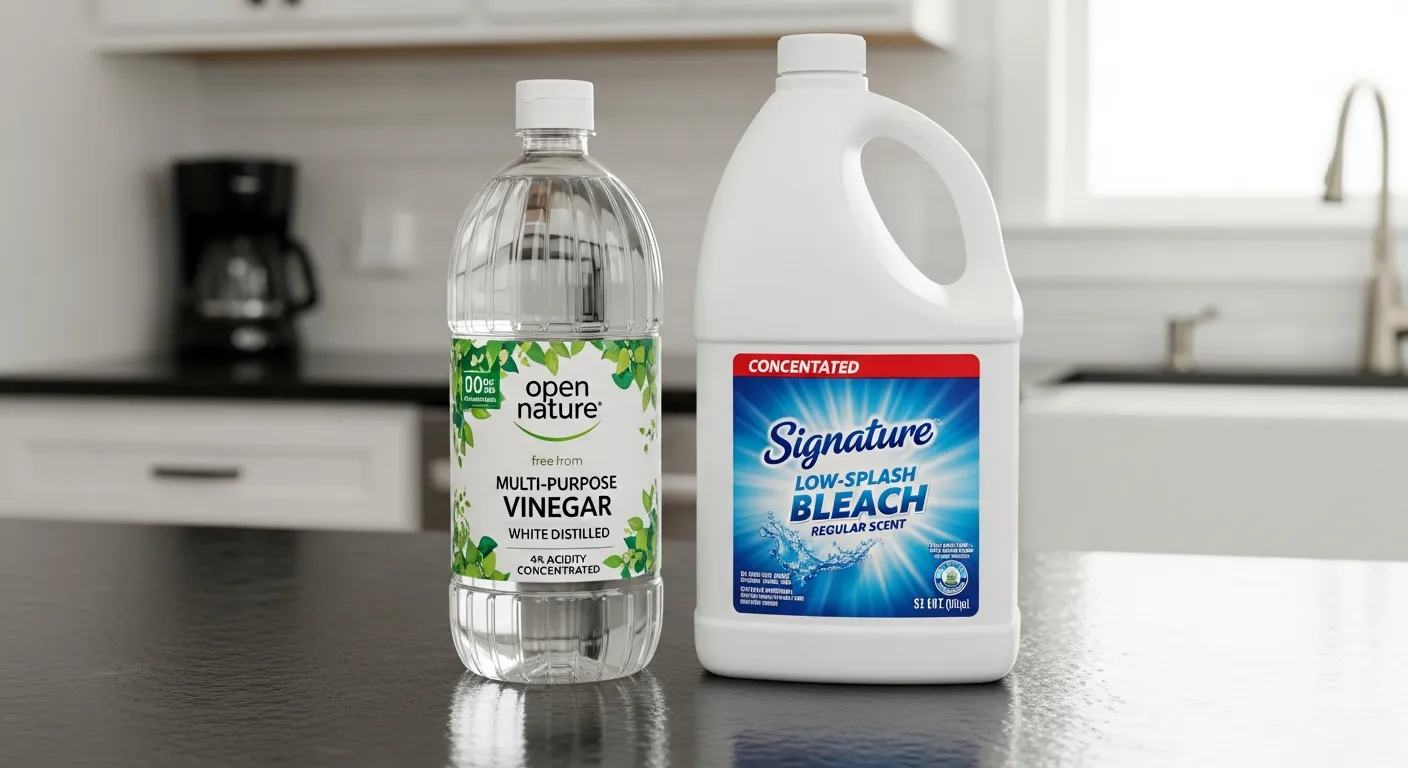
Many homeowners often get confused about whether to use vinegar or bleach to kill black mold. Here is the list of comparisons based on different criteria.
| Criterion | Vinegar | Bleach |
| Does it kill surface mold? | Yes | Yes |
| Does it penetrate beneath the porous surface? | Yes | No |
| Does it prevent regrowth? | It does better work compared to bleach | No |
| Does it produce toxic fumes? | No | Yes |
| Is it safe to use indoors? | Yes | No |
How to Prevent Black Mold From Coming Back?
It’s good to follow the rule “prevention is better than cure” when it comes to preventing a mold comeback. Here are some of the tips you can follow to prevent them from coming back:
Regular Inspection
It helps identify the early signs of water damage, such as leaky pipes, roof leaks, or mold growth.
Maintain Ideal Humidity Level
Mold growth is often seen in damp areas like the basement, so maintain ideal humidity between 30-50% by using a dehumidifier.
Proper Ventilation
Keep your home well ventilated, especially the kitchen and bathroom, where chances of mold growth are higher.
Fix Leaking Windows
Leaking windows around the frame promote mold growth; hence, repair or replace the leaking windows around the frame to prevent mold growth.
Dry Your Home After a Flood
If there’s a flood in your area, make sure to dry your home for 24-48 hours after flooding to avoid mold growth.
Use Mold Inhibitors
Adding mold inhibitors to paint can help prevent mold growth.
When to Call a Professional?
Call a professional when mold growth covers more than 10 square feet, there's recurring mold growth, there's a severe black mold odor, there are hidden leaks, or there's mold on the drywall.
Conclusion
There are varied opinions on whether vinegar is an effective option to kill mold growth. Vinegar can undoubtedly be used to kill mold, but on non-porous surfaces. However, it’s not a permanent solution because it may clean the mold from the non-porous surface, but not from beneath the porous surface.