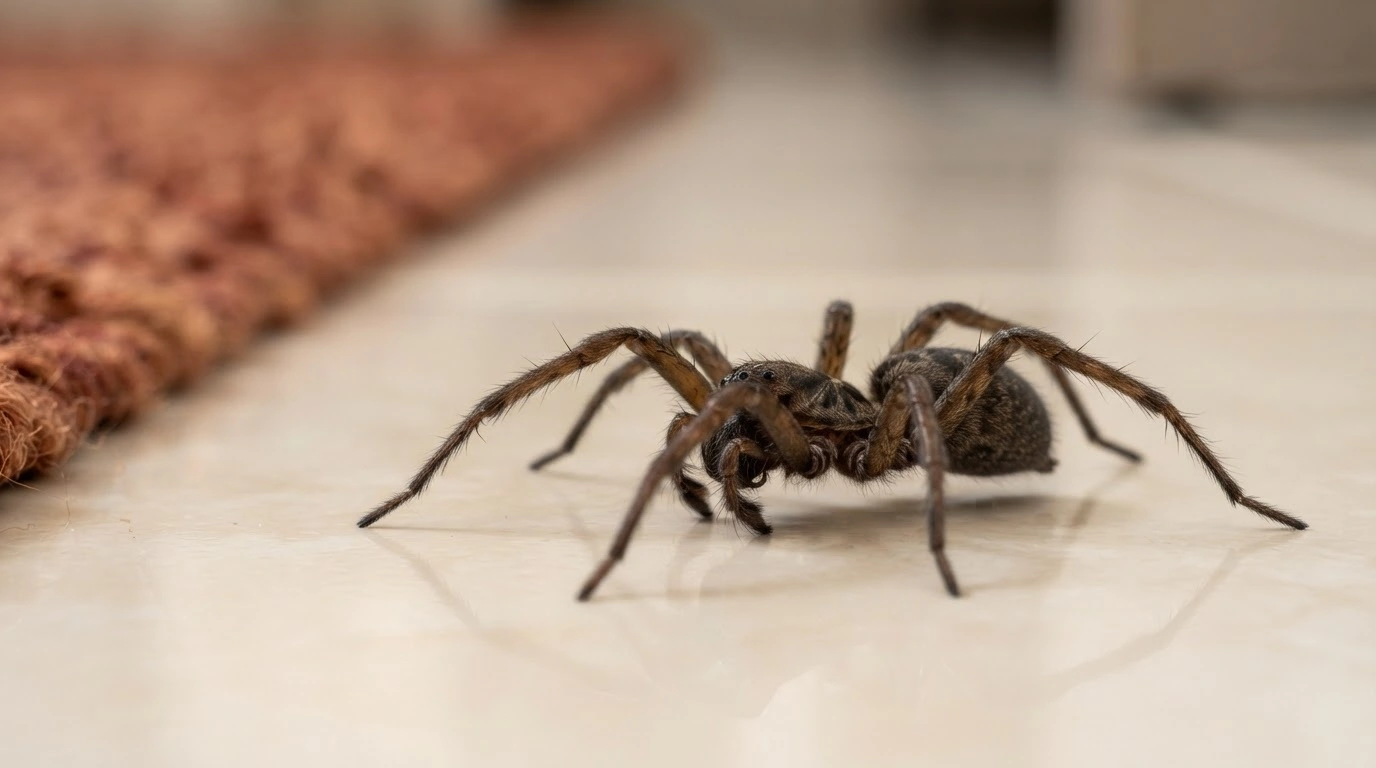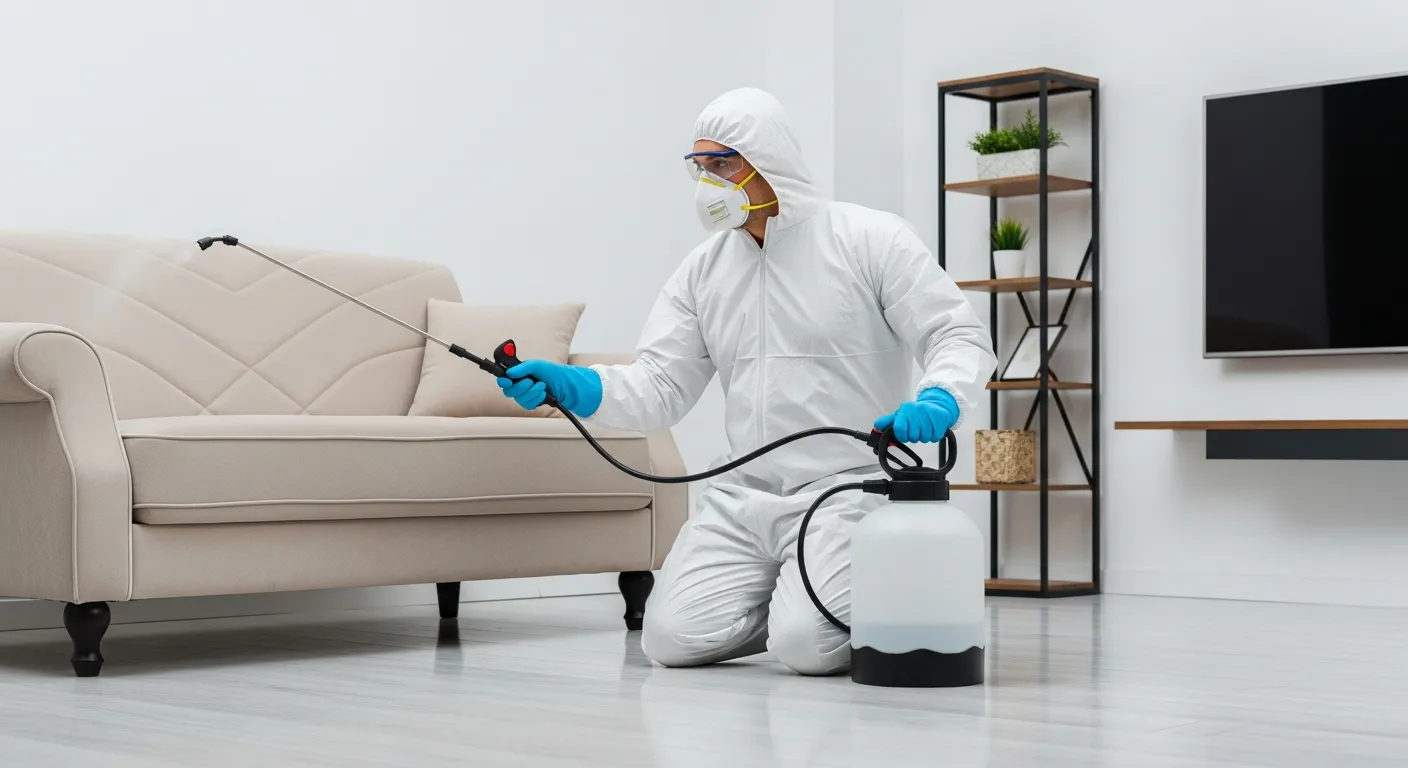
Although spiders help keep other insects, pests, and flies away, these eight-legged crawlers can be an unpleasant sight. Even when the spiders leave your house, their webs turn into cobwebs that attract dust and dirt. These cobwebs not only make the house look unsightly, but can also lead to unhealthy infestations. So, removing these unhygienic cobwebs is necessary to maintain a hygienic environment. While there can be several ways to get rid of spiders and cobwebs, many people prefer to vacuum them and if you're looking for other ways to deal with spiders, find out whether bleach kills spiders and how effective it is.
Can You Vacuum Cobwebs?
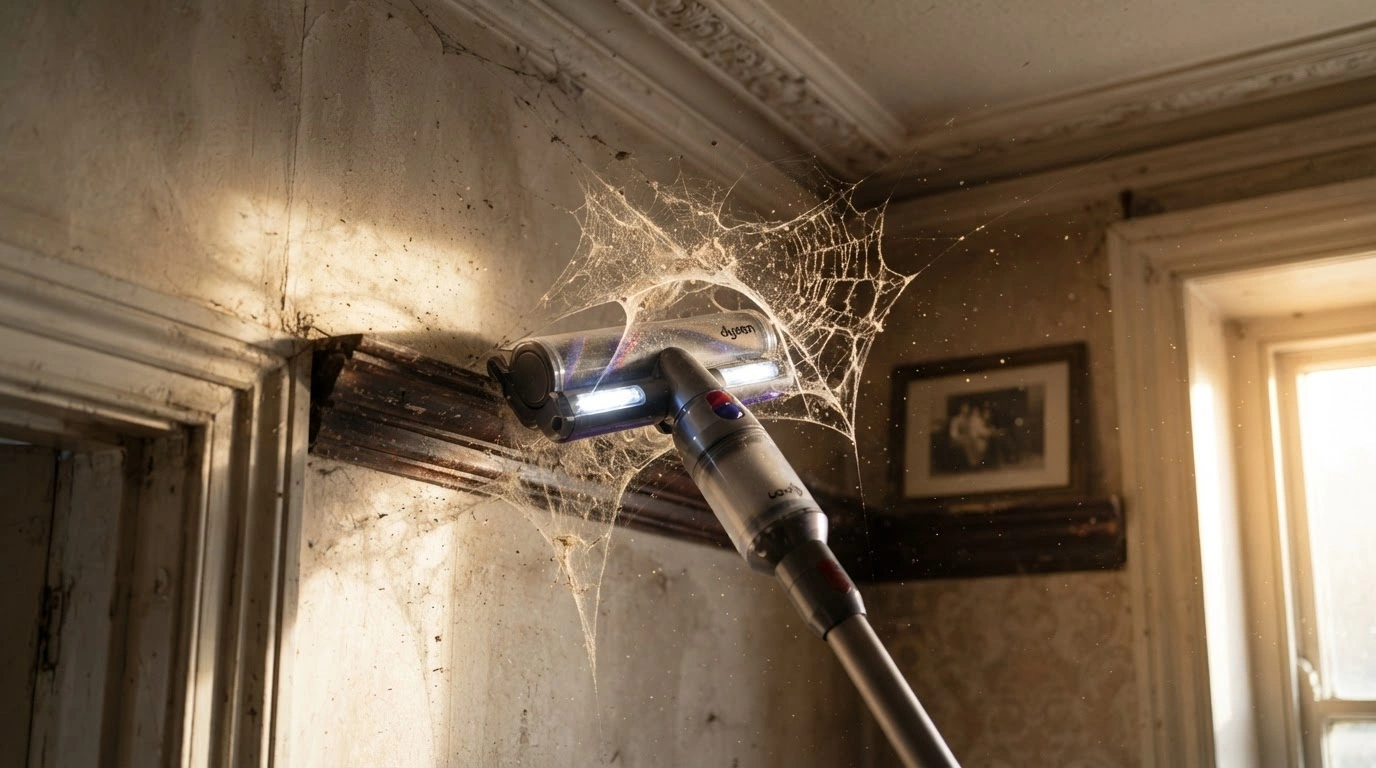
Vacuuming is a great way to remove cobwebs from ceiling corners, textured ceilings, and places a broom cannot reach. With the right attachment, vacuum cleaners can easily pull cobwebs from behind furniture and other hard-to-reach places. However, avoid some common mistakes when vacuuming cobwebs.
- Do not wet the cobweb first; otherwise, it will leave a sticky residue on the surface.
- Using a stiff brush can damage the surface while vacuuming.
- Continue vacuuming the place and nearby areas where you have cleaned the cobwebs frequently to avoid buildup.
- Dispose of the vacuum bag immediately, away from the home, to prevent live spiders from escaping the canister and entering your house.
How to Vacuum Cobwebs without Spreading Debris?
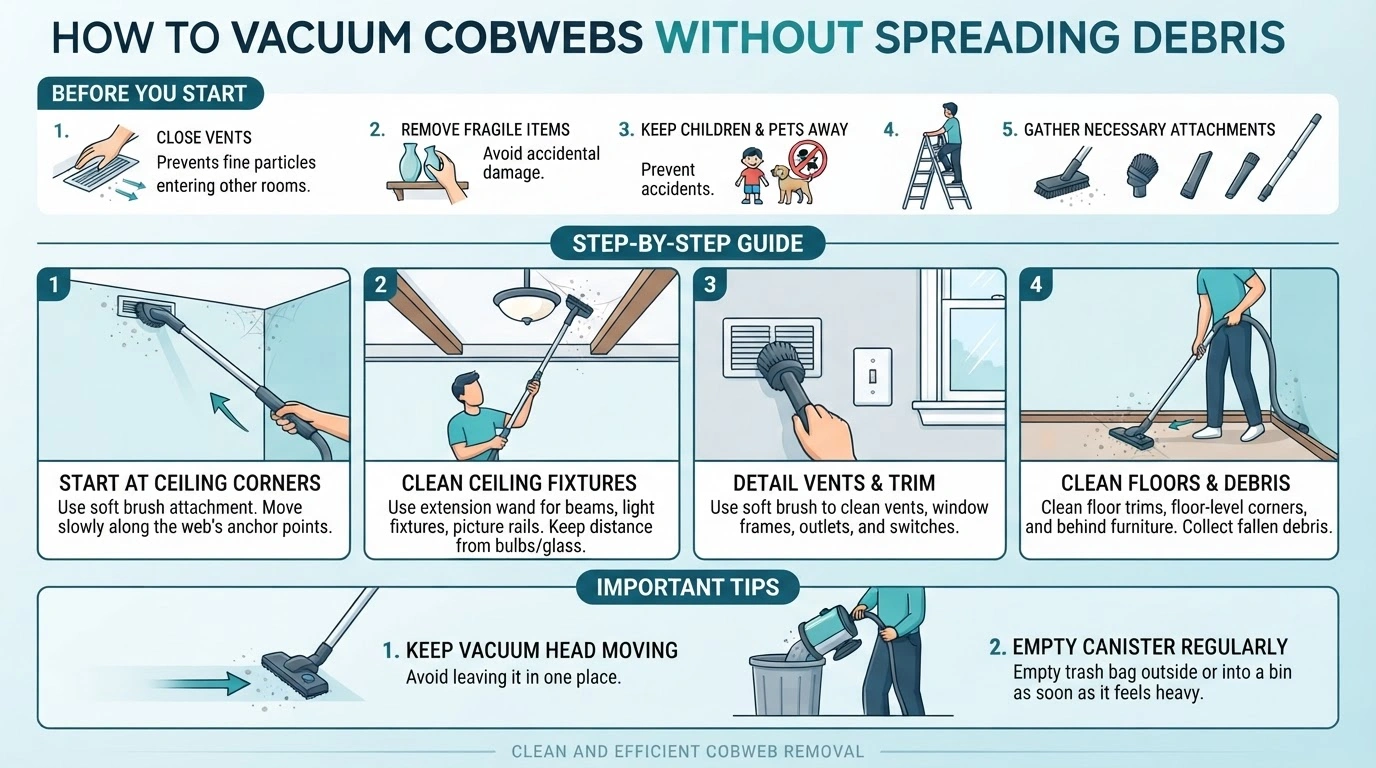
Before you start vacuuming cobwebs, close nearby vents; otherwise, fine particles and dust can enter other rooms through them. Remove fragile items to avoid damage, and keep children and pets out of sight to prevent accidents. Also, make sure you have stable footing throughout the process. Use necessary attachments, including a floor brush, soft dusting brush, crevice tool, and extension wand. Now, follow the steps to vacuum cobwebs without spreading debris.
- Start with the soft brush attachment in the ceiling corners and move it slowly along the cobweb’s anchor points.
- Next, use the extension wand to remove dust and webs from ceiling beams, light fixtures, and around picture rails, keeping a distance from bulbs or other fragile glass objects.
- Again, use a soft brush attachment to clean vents, window frames, outlets, and switches in detail.
- Lastly, clean up the floor trims, floor-level corners, and behind furniture, and collect all the debris that fell during the cleaning session.
- Keep the vacuum head moving at all times instead of leaving it in one place.
- Empty the vacuum's trash bag outside or into a bin as soon as the canister feels heavy.
Best Vacuum Attachments for Cob Webs
The vacuum attachment you choose for removing cobwebs depends on the surface.
| Surface Type | Vacuum Attachment | Suction Setting | Contact Distance |
| Popcorn or textured ceiling | Soft dusting brush | Low | An inch away |
| Smooth painted drywall | Crevice tool | Medium | Light contact at the seam |
| Window casings and crown molding | Upholstery nozzle | Low to medium | Angle along the profile |
| Brick, eaves, and outdoor siding | Blower or stiff brush | Gentle for masonry and high for siding | Close and controlled |
What Should You Do After Vacuuming Cobwebs?
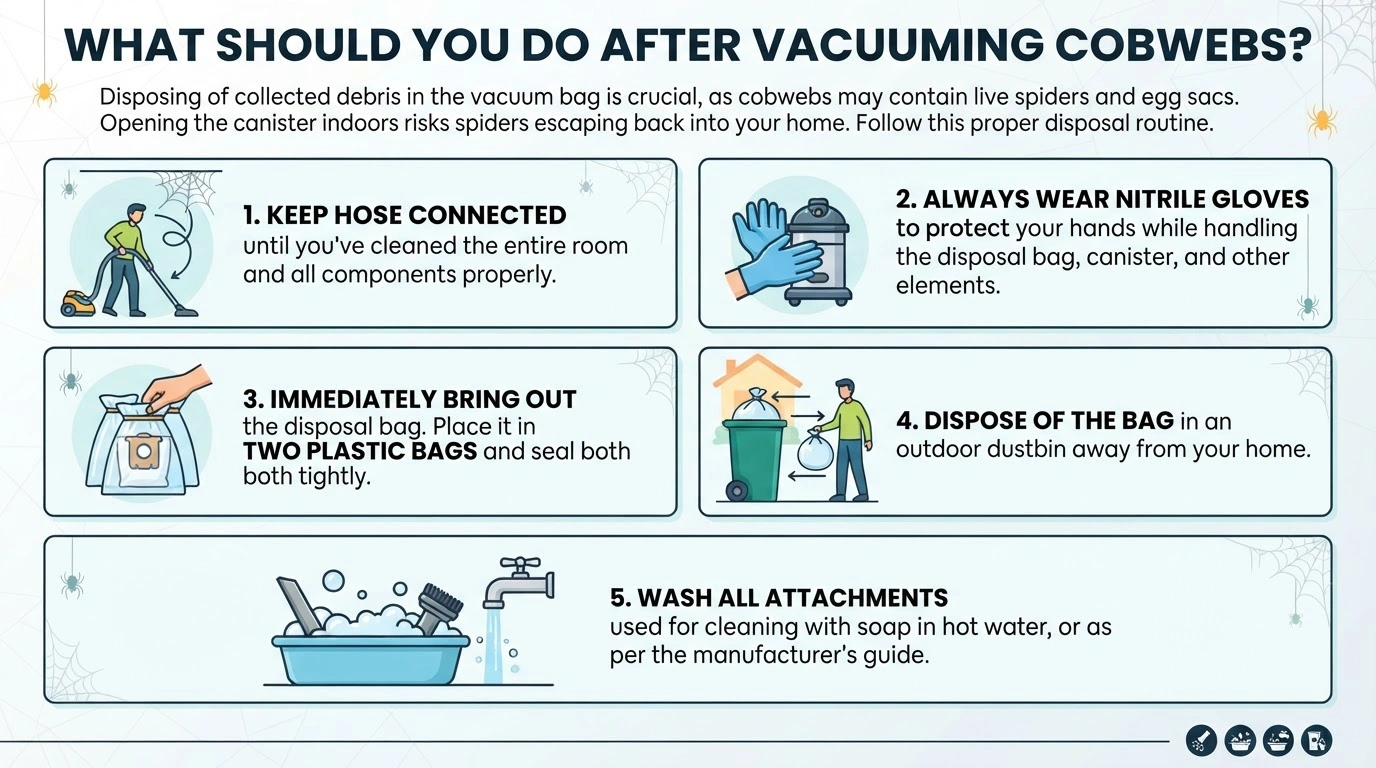
Disposing of the collected debris in the vacuum bag is extremely crucial, as cobwebs may have live spiders and egg sacs. Opening the canister indoors always carries the risk of spiders running from the vacuum bag back into your house. So, follow a proper disposal routine to avoid this.
- Keep the hose connected until you've cleaned the entire room and all components properly.
- Always wear nitrile gloves to protect your hands while handling the disposal bag, canister, and other elements.
- Bring out the disposal bag from the canister immediately after cleaning. Place it in two plastic bags and seal both.
- Dispose of the bag in an outdoor dustbin away from your home.
- Wash all attachments used for cleaning with soap in hot water, or as per the manufacturer’s guide.
How to Prevent Cobwebs from Coming Back?
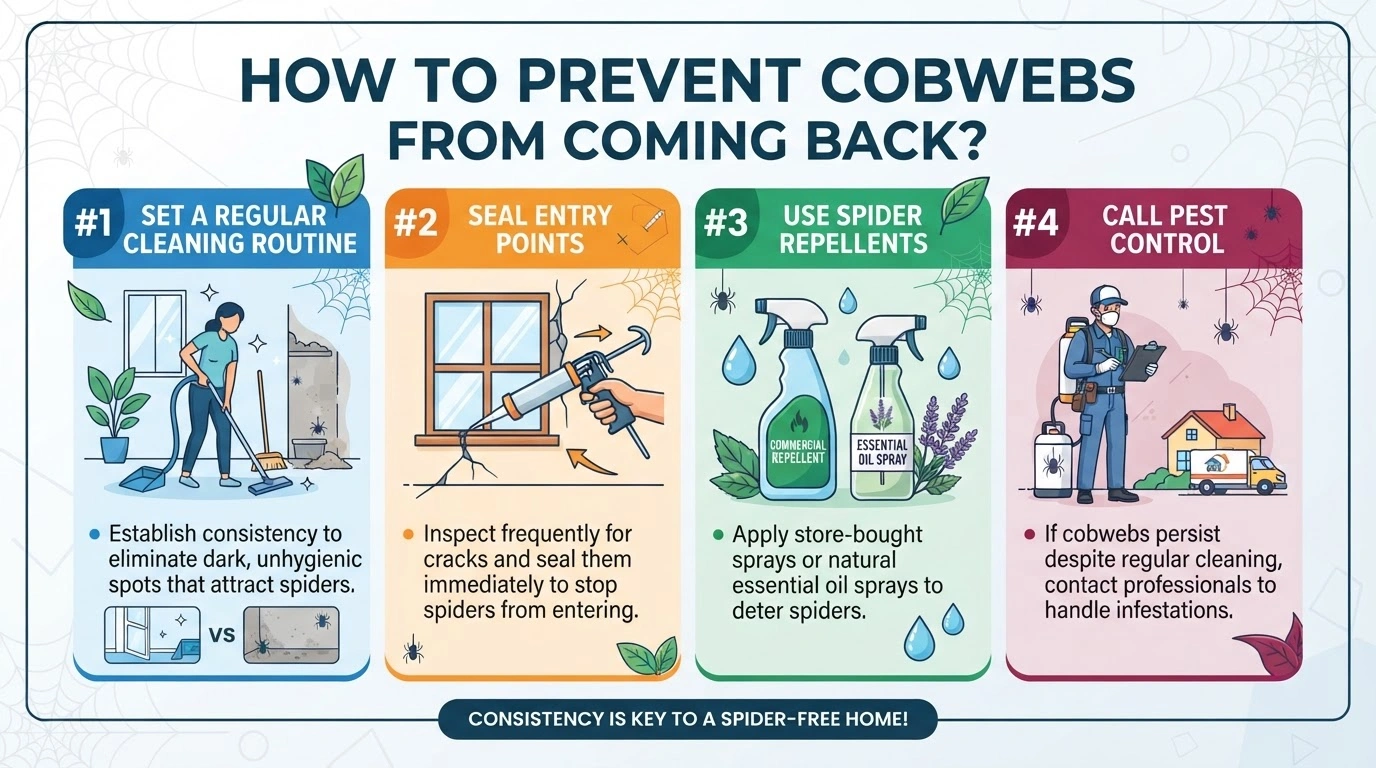
Removing cobwebs with a vacuum cleaner is easy, but doing it often can get daunting and irritating. So, the best way to prevent these eight-legged creatures from invading your home is to work on the root cause of the problem, which is as follows:
- Set a routine to clean your house regularly and consistently, since dark, unhygienic spots attract spiders more often.
- Inspect your house for cracks frequently and seal them immediately to prevent spiders from entering.
- You can use spider repellent sprays available in the market or natural essential oil sprays to keep the spiders away.
- If nothing works and you still notice regular cobwebs even after regular cleaning, call a pest control service to get rid of the infestation.
If you’re considering bleach as a way to prevent spiders from returning, find out whether bleach actually keeps spiders away before using it around your home.
Should You Vacuum Spiders Along with Cobwebs?
Spiders can be useful creatures to keep other insects away from your home. However, if you are not comfortable with spiders crawling everywhere, you can try vacuuming them along with cobwebs. Vacuuming can kill spiders or wound them. Now, because these creatures can regrow their exoskeleton, spiders can get back in shape if they stay in the canister for a long time. But the pressure of a vacuum cleaner is so high that it kills the spiders most of the time. If some of them do not die instantly, they can suffocate and die later on. If you’re dealing with live spiders rather than just their webs, learn how long bleach takes to kill spiders and what factors can affect its effectiveness.
Conclusion
Cobwebs may seem harmless in one corner of your room. But they will soon collect dirt and dust and lead to infestation. So, cleaning these webs right away is one of the best ways to maintain a healthy home environment. Vacuuming is one of the most convenient ways to remove cobwebs without spreading debris elsewhere. However, you must use the right vacuum attachments for different surfaces and follow the right techniques to slow cobweb buildup.