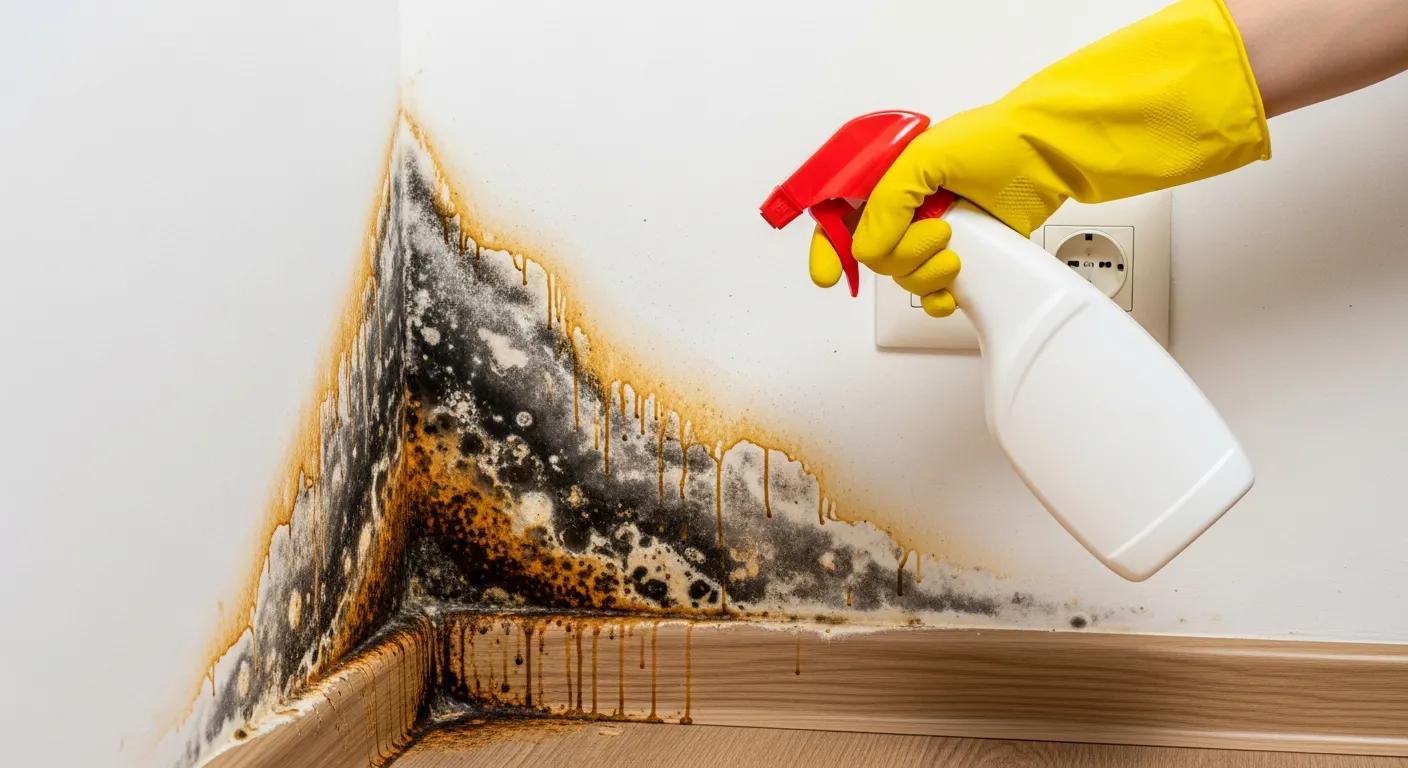
Mold is a common problem faced by homeowners, and the reason for the growth is consistent moisture content. People look for various measures to kill mold, and bleach is one such option. There are varied opinions on “Does bleach kill mold”? A few say that it’s an effective method, while others opine that it is effective only when mold forms on a hard non-porous surface. No matter what you do to kill mold, it's suggested to work on the root of the problem, i.e., the moisture level. This blog highlights the pros and cons of using bleach and many other relatable aspects.
Does Bleach Kill Mold on Different Surfaces?
Technically speaking, bleach does kill mold grown on hard non-porous surfaces like glass, concrete, or steel. However, when these molds grow on porous surfaces like wood or drywall, cleaning with bleach is not a good idea. This is because the chemical composition of bleach is such that it does not penetrate the surface of porous items and doesn't work on the root of the mold growth. It may appear to you that you are getting to the root of the mold, but you end up cleaning only the visible part. The root of the mold lies below the porous surface and continues to grow.
How to Safely Use Bleach to Clean Mold?
When using bleach to clean mold, there are certain precautionary measures you should consider. Here are some of the tips to follow:
- When using bleach, it’s recommended to wear protective gear like gloves and glasses. Also, keep the windows open for proper ventilation.
- Prepare the bleach solution in the ratio of 1:1, which means dilute one cup of bleach with a gallon of water.
- Use a spray bottle or a sponge to apply the mixture evenly on the affected areas.
- Allow the solution to sit for some time to work slowly and kill the mold.
When Bleach is Not the Best Mold Removal Solution?
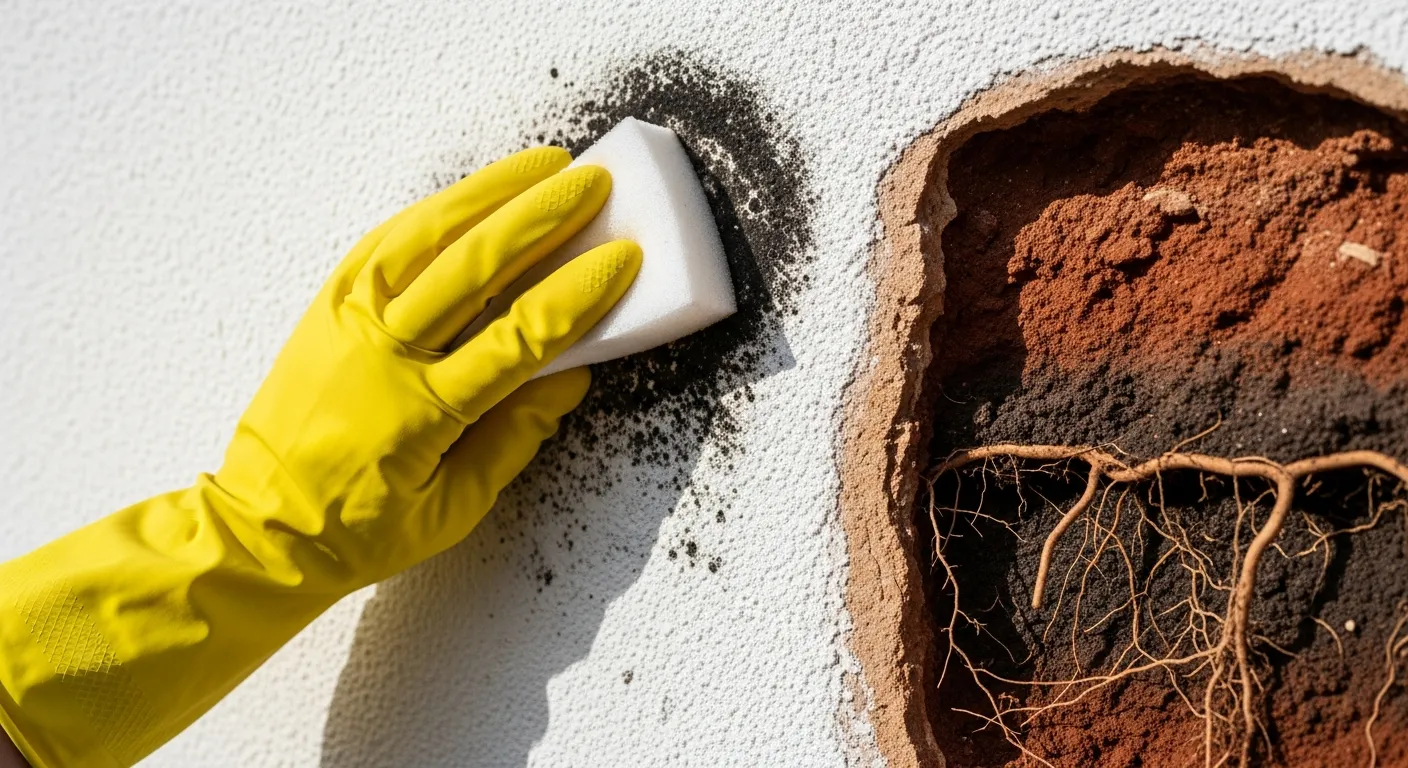
Bleach is a bad idea when the surface is porous because bleach won’t seep in beneath the surface and act on the root of the mold growth. It will end up cleaning the visible mold only.
Steps to Remove Mold Using Bleach
Here are detailed steps to remove the mold using bleach and the list of materials:
Materials required:
-
Disinfectant bleach
-
Measuring cup
-
Large bucket
-
Spray bottle or sponge.
-
A cloth or scrub brush
-
Gloves
Step 1: Preparation and Pre-Cleaning
The first and most important step is to open the windows in the area where you plan to work. This ensures proper ventilation and air circulation. Then, wipe the area as much as you can before applying the bleach solution.
Step 2: Make the Bleach Solution
Prepare the bleach solution by mixing ⅓ cup of bleach in a gallon of water.
Step 3: Apply the Bleach Solution
Using a spray bottle, apply the solution to the affected areas with a sponge or a brush. Then, allow it to sit for 10 minutes in contact with mildew. If mold is not removed completely, repeat the process.
Step 4: Rinse the Area and Air Dry
Finally, rinse the affected area with clean water and allow it to dry using a fan for quick drying.
How to Prevent Mold from Returning?
Working on the main cause of the mold growth can help prevent mold permanently. Here are the tricks to prevent mold from returning:
Ventilation - Run the bathroom exhaust fan during the shower and after the shower for 30 min. It will prevent moisture build-up.
Use a Dehumidifier - This works best to bring down the humidity level, thus preventing moisture buildup.
Use Mold - resistant paint. Paint the surfaces in damp areas like the bathroom or near the windows with mold-resistant paint.
Alternatives to Bleach for Mold Removal
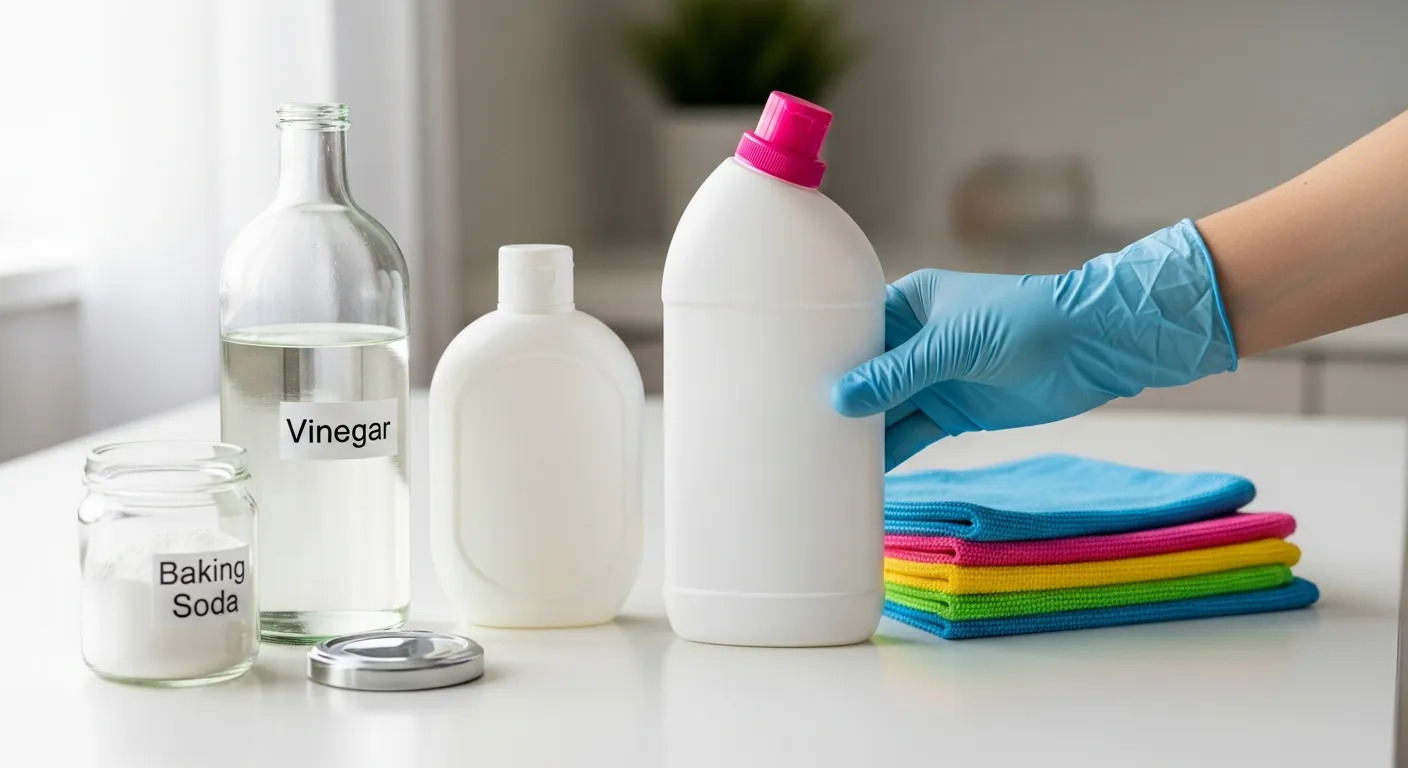
There are many alternatives to bleach to kill mold. Here is the list:
Vinegar- This is a highly effective alternative because it can reach deep inside the porous surfaces to prevent the growth of mold. It works even if the mold area is dense.
Hydrogen Peroxide - Use hydrogen peroxide on the mold areas to get rid of it.
Baking Soda - It serves as a natural alternative to bleach, working on porous as well as non-porous surfaces.
Commercial Mold Removers - Bleach, vinegar, or other remedies may not work when the mold outbreak is intense. Then, the best option is to buy commercially available sprays.
Common Mistakes to Avoid When Cleaning Mold
The common mistakes often committed are when you skip working on the underlying cause of the problem, like moisture, lack of ventilation, fixing leaks, painting over the visible or hidden mold growth, and many more. Begin by working on the source of moisture and work to bring down the humidity level. Ensure proper ventilation and fix leaks, and wear protective gear while using bleach. Lastly, working on severe mold infestation on your own is also a mistake you should avoid.
When to Call a Professional Mold Remediation Service?
Call a professional mold remediation expert only when mold infestation is severe and can’t be handled via DIY.
Conclusion
Controlling the mold growth and getting rid of the existing mold growth can be a challenge, especially when it forms on porous surfaces like wood, drywall, carpets, and rugs. Bleach undoubtedly is one of the most effective ways to remove mold, but it works on a hard, non-porous surface. However, there are other alternatives like vinegar and baking soda that work on all surface types.