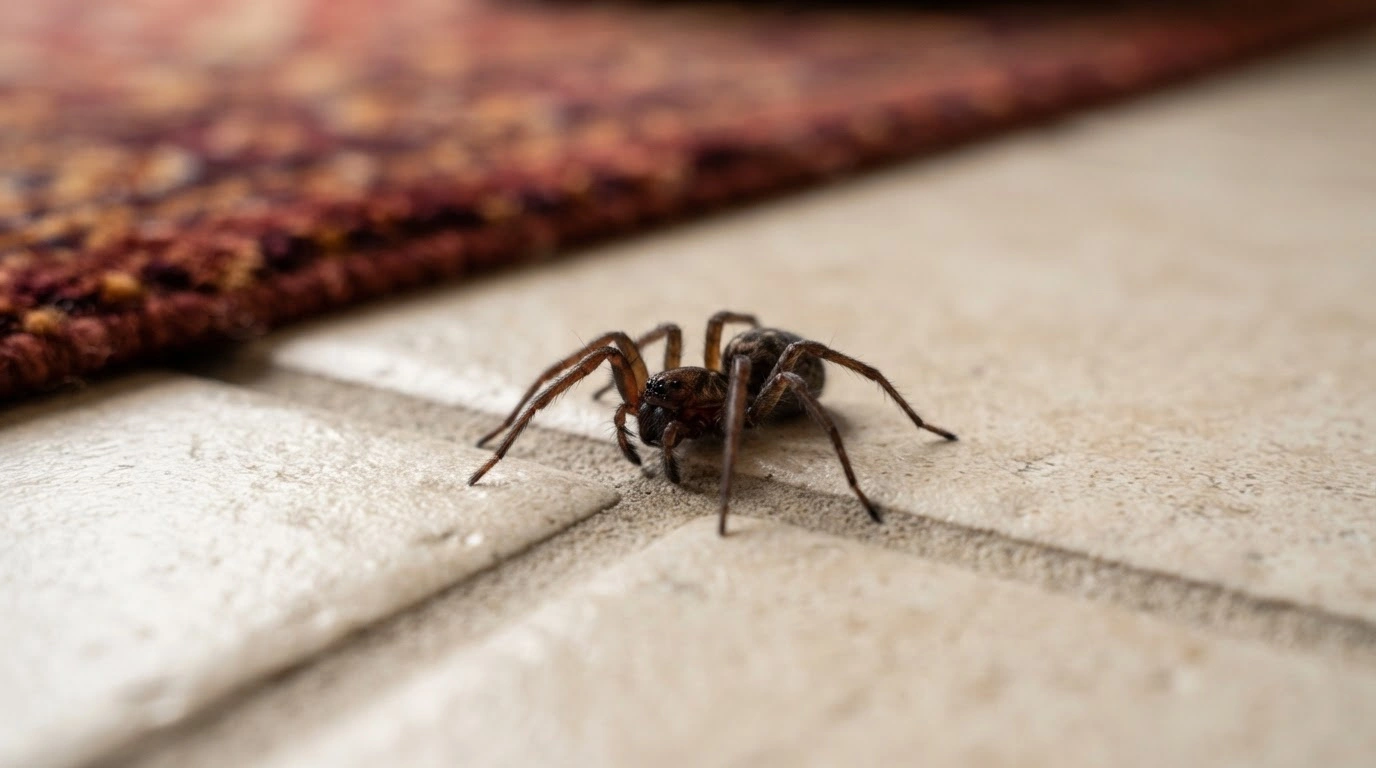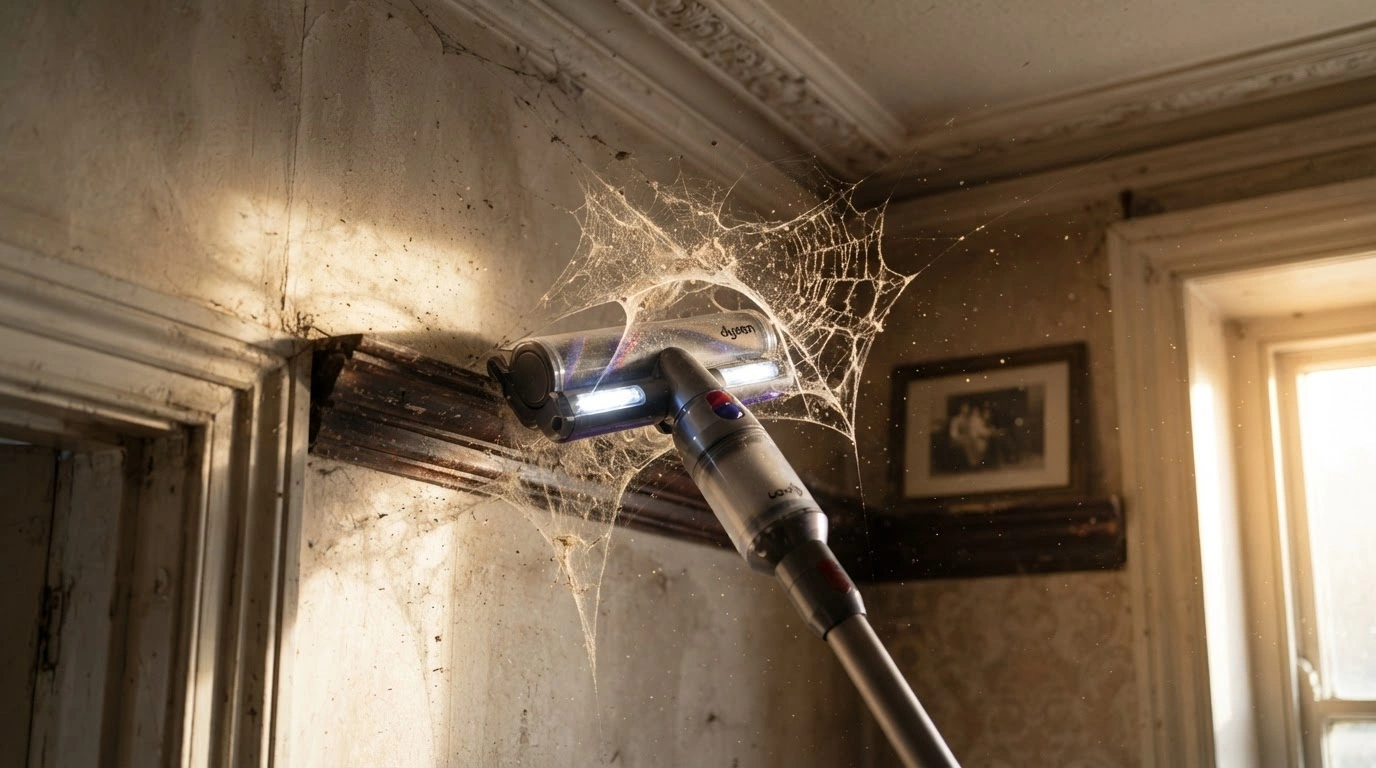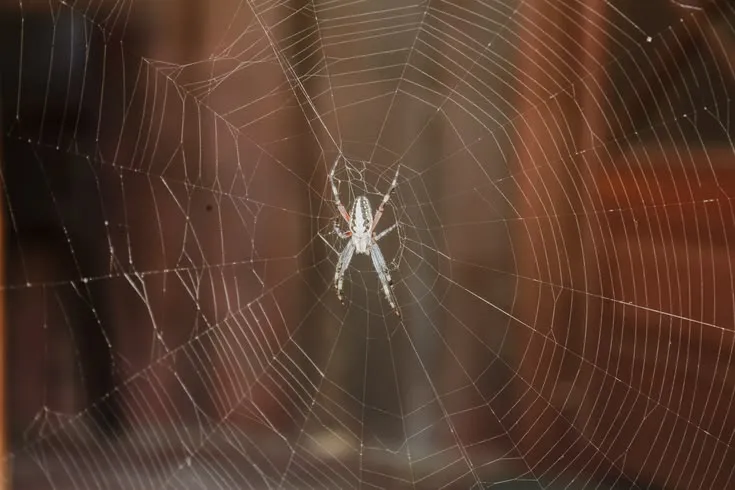
Most cobweb advice ends at "grab a duster", “vacuum” or “use a broom.” What this advice skips is what each tool leaves behind and how long the corner stays clean afterward. That second part is where the methods really differ, so I compared them using what homeowners report in forums, what extension entomologists say, and what the one real field study found. A few of the results will not match what product listings promise.
What Homeowners Actually Report?
Forum threads are messy, but the same story repeats. In a long-running thread on the Cobwebs in Windows topic at the iNaturalist community forum, one regular commenter described using a soft-bristled duster and said the spiders in their house usually rebuild within about a week of a full clean. Another commenter in the same thread argued that clearing active webs every month or two is harmless, but doing it daily or weekly is not kind to the spiders.
The less patient reports are in older home-tip threads. One homeowner on ThriftyFun said they vacuumed a web and had a new one back roughly six hours later, with a spider attached. A commenter in the humid Southeast said some webs return within an hour of cleaning. Pest control companies echo that range, describing rebuilds from a few hours for an undisturbed cellar spider to a day or two for most web-builders.
Treat those numbers as anecdotes, not measurements. They do show the pattern: a clean corner is a short-lived result unless something else changes.
The Vacuum Is My Pick for Most Rooms
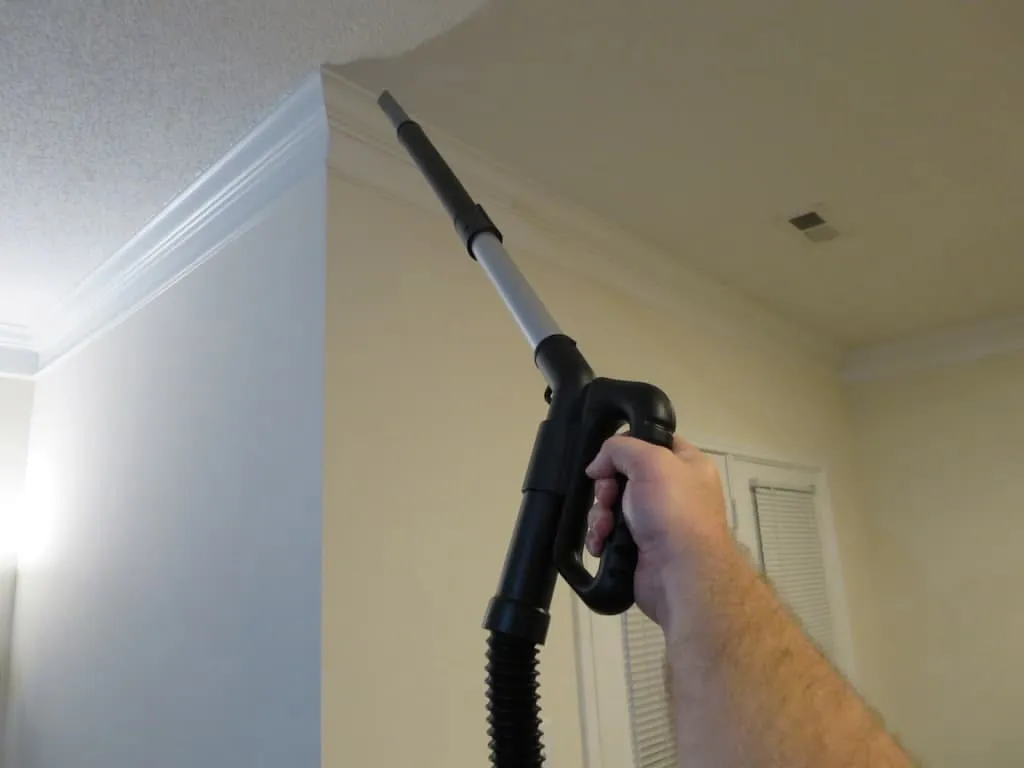
If I could keep only one tool, it would be a vacuum with a soft dusting brush on an extension wand. Silk, dust, and egg sacs go into the canister instead of onto your floor. Iowa State University's extension entomologist also names a vacuum with a hose as the best option for cellar spiders, the long-legged kind behind many messy corner webs.
The tradeoff is cleanup. You have to empty a canister full of web outside, because live spiders and egg sacs can ride along. We walked through attachments, suction settings, and disposal in our guide on whether it is okay to vacuum cobwebs, and I would follow it closely on textured ceilings, where a hard nozzle can snag the surface.
The Duster Is Fast, but the Messiest
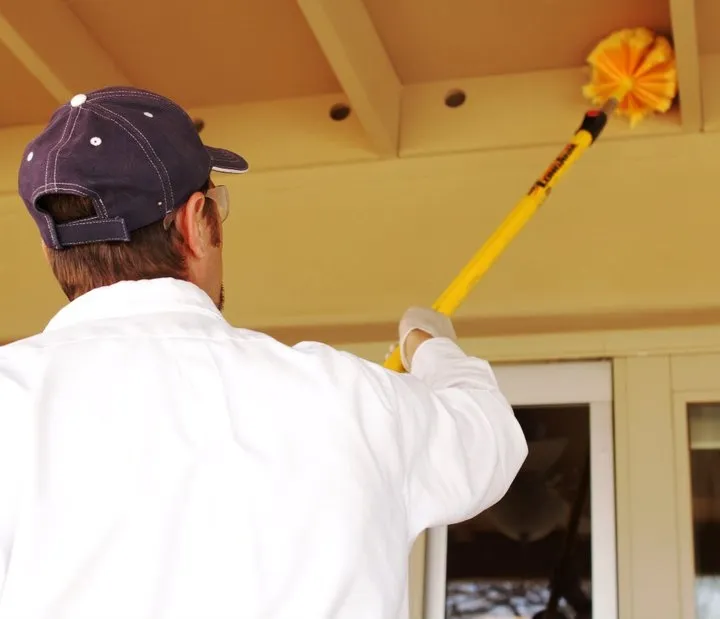
A telescoping microfiber duster reaches high corners faster than anything else. It also needs babysitting. Cobweb silk is sticky, and a loaded duster head can drag a streak across paint if you wipe it back and forth instead of rolling it away from the wall. Shake it outdoors every few corners, not over the carpet.
If you are choosing between tools for hard-to-reach spots, our roundup of the best way to clean cobwebs is a good place to compare reach and cost. For ceiling fans, I still prefer the duster, because a vacuum nozzle near moving blades makes me nervous.
The Broom: Fine Outside, Risky Indoors
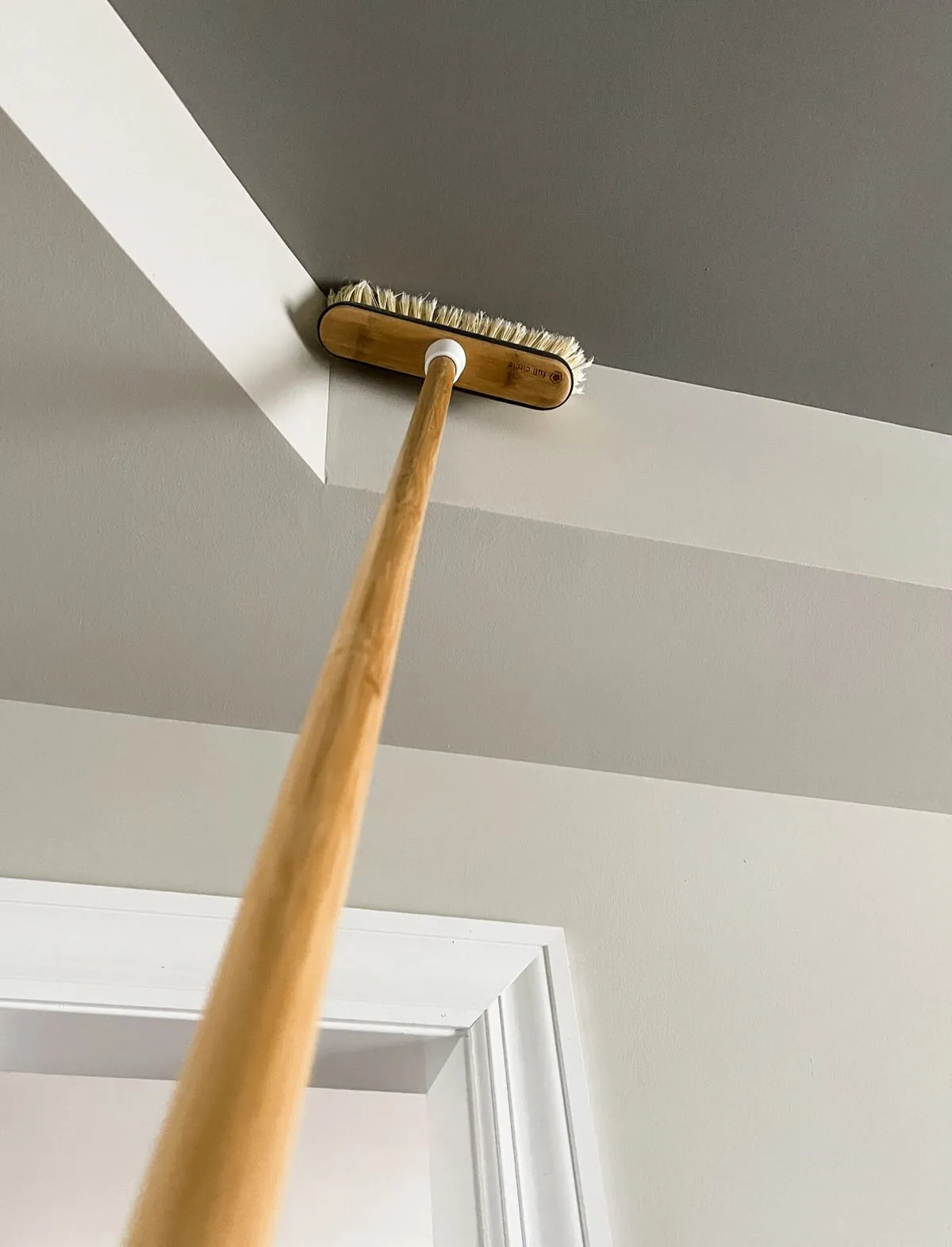
A soft broom works well on porch ceilings and eaves. Indoors on freshly painted drywall, I would skip it, since stiff or dirty bristles can leave marks. Several forum users also mention moving the spider outside with the broom's end, which is gentler than crushing it.
What I Would Skip?
A damp cloth. Wet silk turns into a sticky smear. Our vacuum guide warns against wetting a web first, and I agree.
A leaf blower. One home-improvement writer who tried it on cellar spider webs reported that it mostly sent the webs flying around the room. It is a fair idea for an open porch and a bad one for areas with furniture.
Essential oil sprays. Peppermint is sold as a repellent and may deter a spider or two. I would not count it as a removal method.
Why Cobwebs Come Back No Matter What You Use?
This is the part most guides leave out. Removing a web doesn't remove the spider, and it doesn't remove the reason the spider chose that spot.
A University of California, Riverside study published in the Journal of Economic Entomology tested brushing and vacuuming on 15-foot sections of eaves across 13 buildings. Researchers counted spiders before treatment and again for up to four months. A single sweep or a single vacuuming had only a marginal effect compared with untreated eaves. The researchers suggested that repeated sweeping, which clears webs and crushes spiders, may work better than one pass.
That lines up with the forum reports above. One clean-up buys you a good week, sometimes only a few hours. A routine buys you a good season.
Food is the other piece. Spiders feed on insects, so you'll see them where insects gather. Even outdoor light near a doorway works like a feeder. Penn State Extension has noted that lights near homes attract insects that web-spinning spiders eat. If one corner keeps rebuilding, check the light, the clutter, and the gaps before blaming your cleaning routine.
Some readers ask about bleach as a shortcut. Before you try it, read whether bleach actually keeps spiders away so you know what you are signing up for.
The Routine I Would Use
1. Vacuum corners and window frames with the soft brush every couple of weeks.
2. Use the duster for fans, light fixtures, and anything above ladder height.
3. Clear webs the day you spot them, since fresh webs come off easier than dusty ones.
4. Seal gaps and reposition the porch light if the same spot keeps filling up.
If you find fresh webs in many rooms within days, or suspect something other than harmless house spiders, consult a pest professional. Ask how long you need to stay out afterward. Our note on when you can go back inside after pest control covers the timeline to expect before returning.