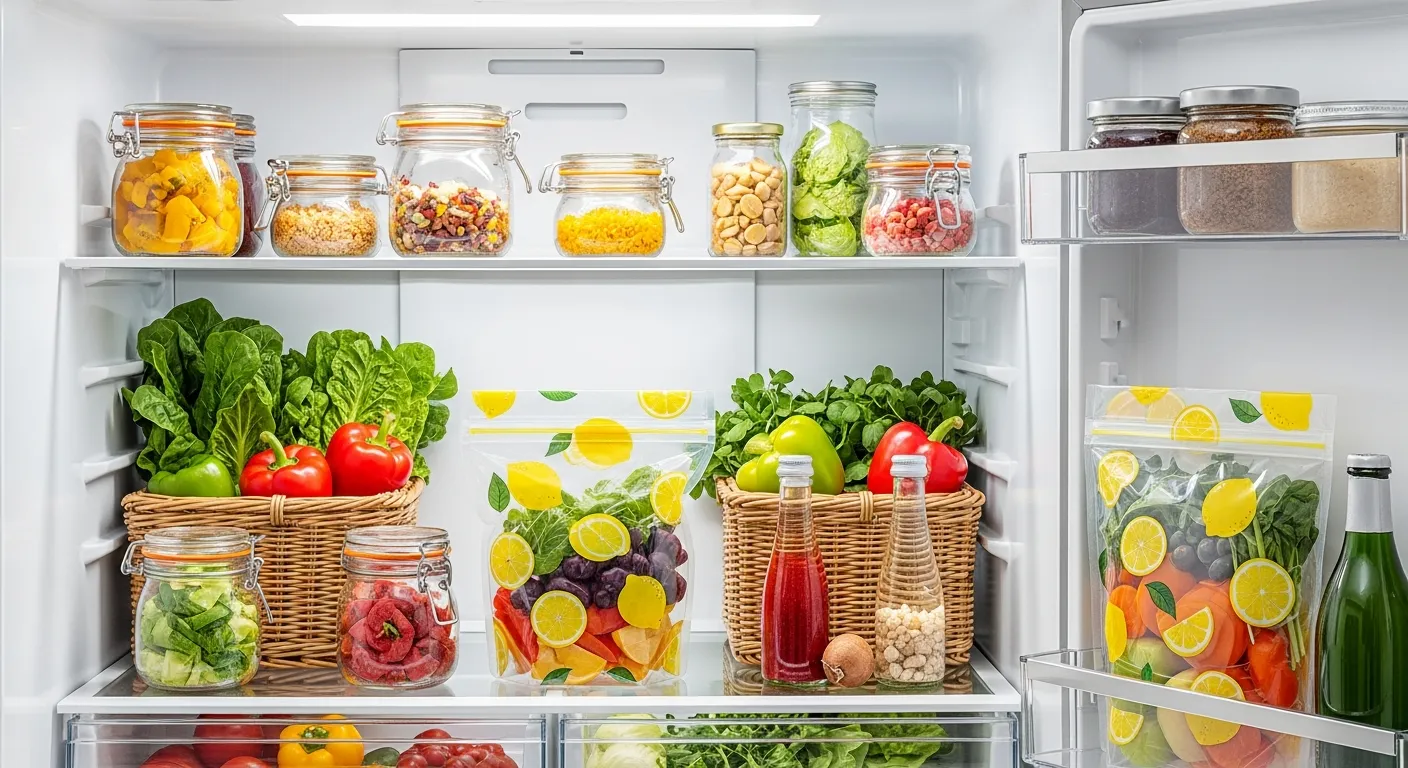
An organized refrigerator looks nice and tidy, and also increases the shelf space. Organizing the food well lets you see what leftovers you have, reducing food waste. This way, you can avoid buying more food, which saves money in the long run. There are several easy ways to organize your fridge, such as labeling food, adjusting the shelves, and more.
Here are some of the best refrigerator-organizing ideas to help you keep an eye on leftovers, reduce waste, and prevent food spoilage.
Tips to Organize Your Fridge?
Here are some tips you need to follow when organizing the fridge -
- Clean out the fridge and get rid of any expired items.
- Lower shelves are generally colder and are best for storing meat, fish, and raw ingredients.
- Always use the top shelves for prepared and leftover foods so that you can spot them easily.
- Set the refrigerator’s temperature to a recommended setting to prevent mold and bacterial growth.
17 Refrigerator Organization Ideas
Clean the Fridge
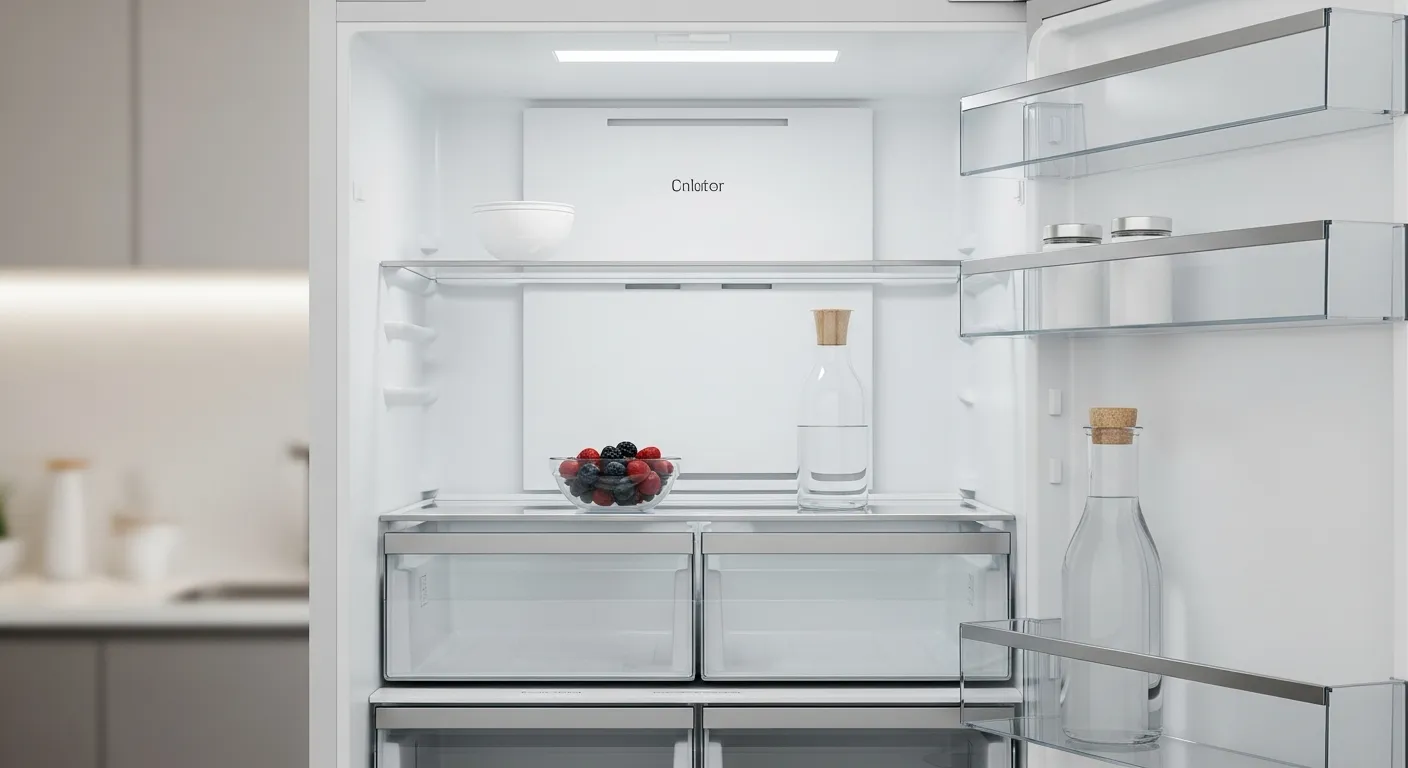
Throw away any unnecessary items in the fridge and wipe the shelves and storage compartment. It helps prevent bacteria and mold from growing inside the refrigerator. Also, get familiar with the fridge's layout, as refrigerators are built differently. Understand which part of the appliance remains cooler and which one stays cooler.
Invest in Clear Bins
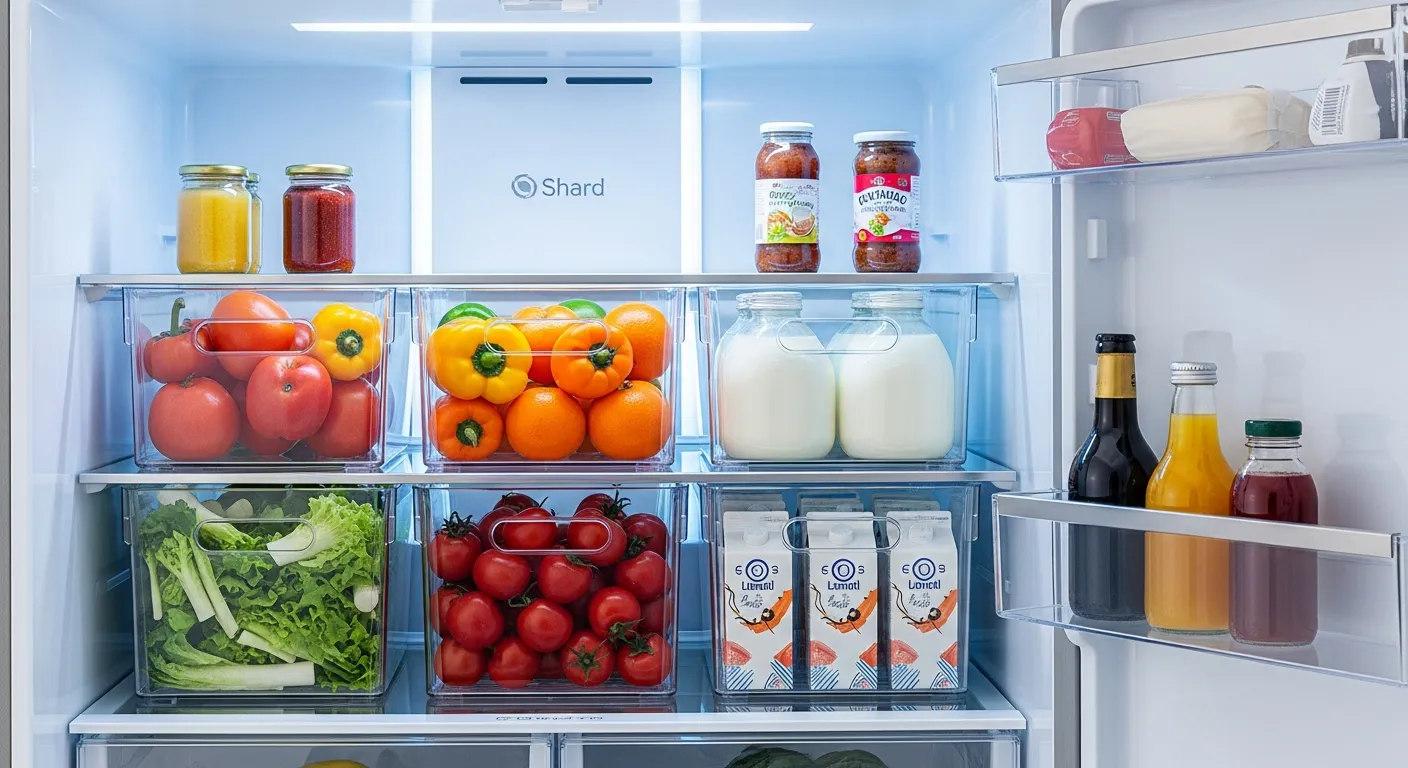
You can buy some clear storage bins to organize the food categorically. It will help you find the food item quickly and easily while providing additional space to store other items.
Use Liners in the Fridge
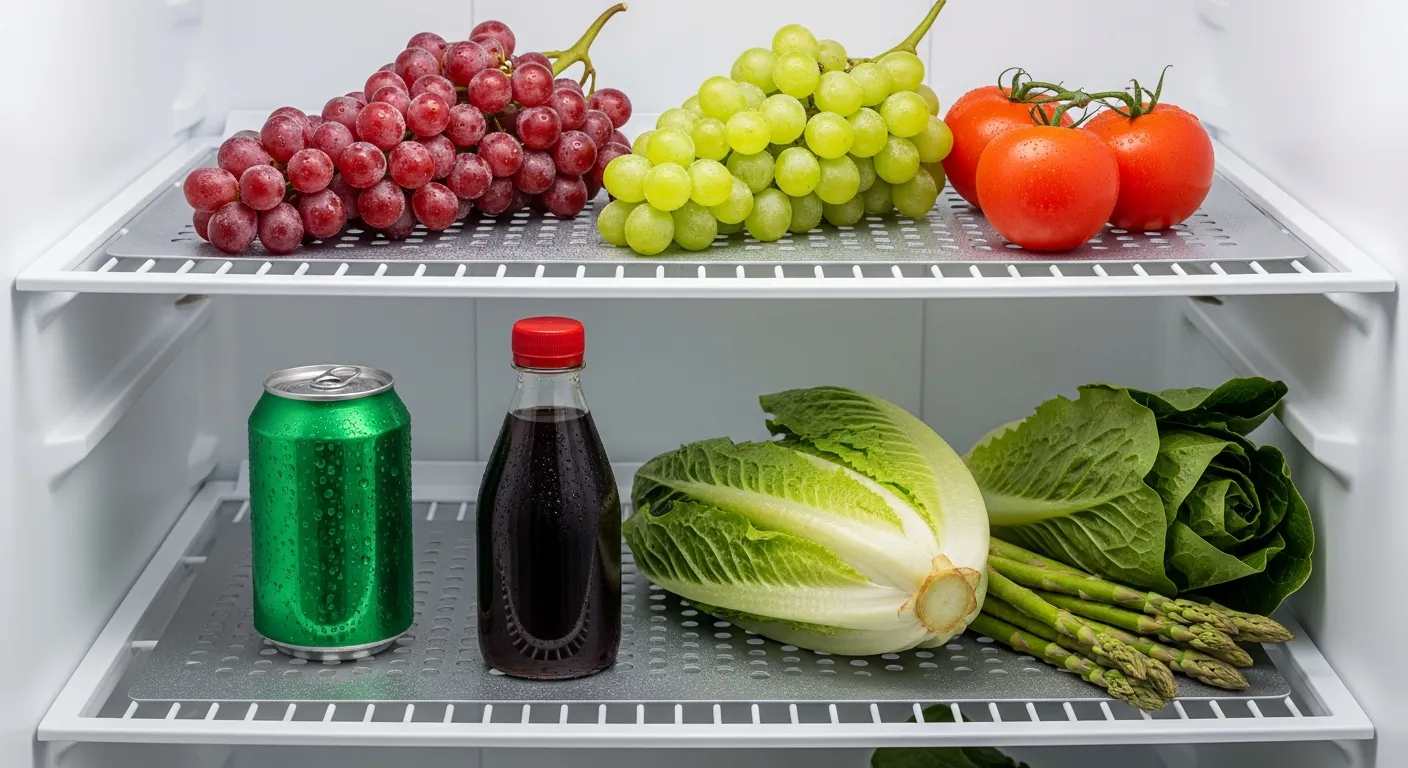
Lining your drawer with paper towels and other linens can absorb spills and drips. It also helps avoid cross-contamination of poultry and meat.
Put Food Nearing Expiration at the Front
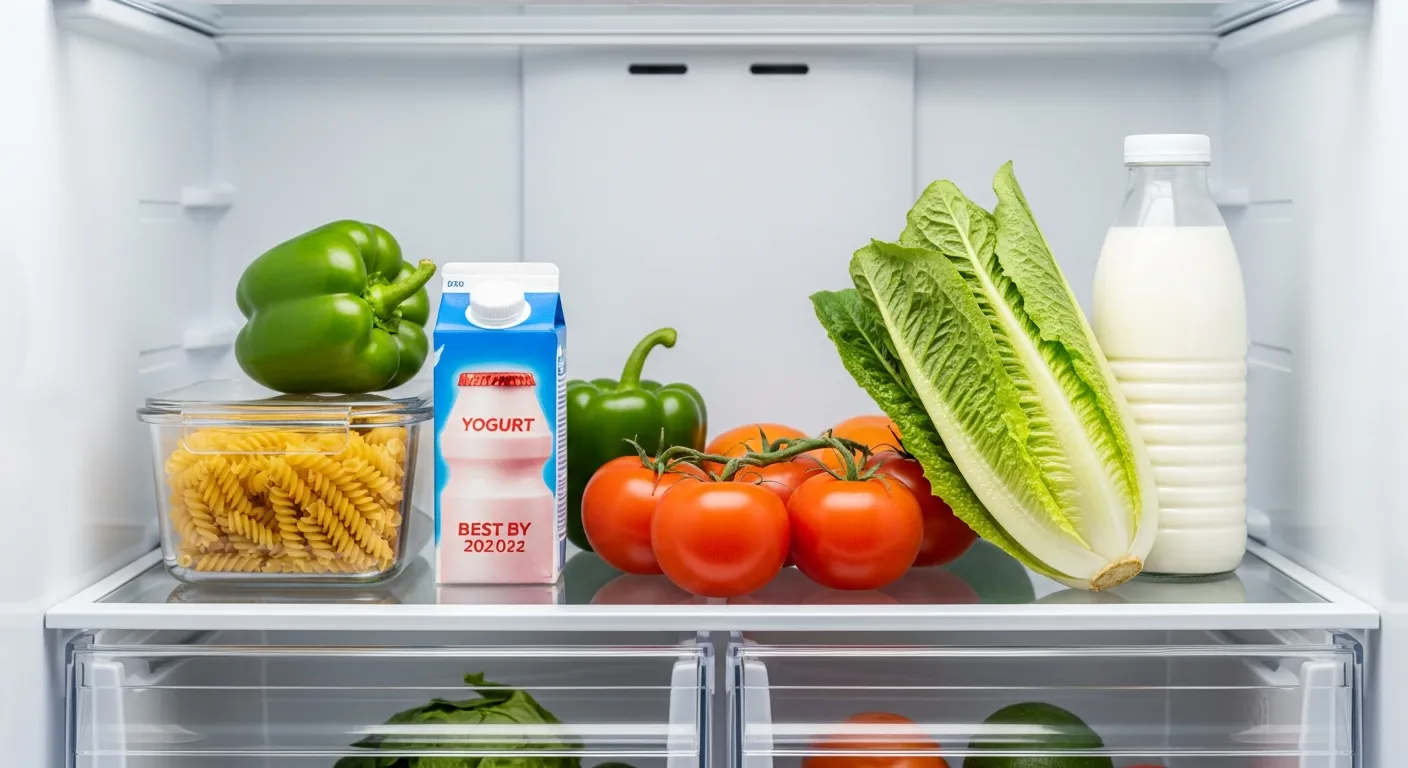
Be wary of which foods need to be eaten up fast and which are nearing their expiration dates. Rearrange your refrigerator regularly to keep the “near-expiration” food items at the front. It will avoid wastage, save money, and prevent any unpleasant odor that may form due to the leftovers.
| Some Tips | If you have a stinky refrigerator, consider adding baking soda. |
Use Storage Bags
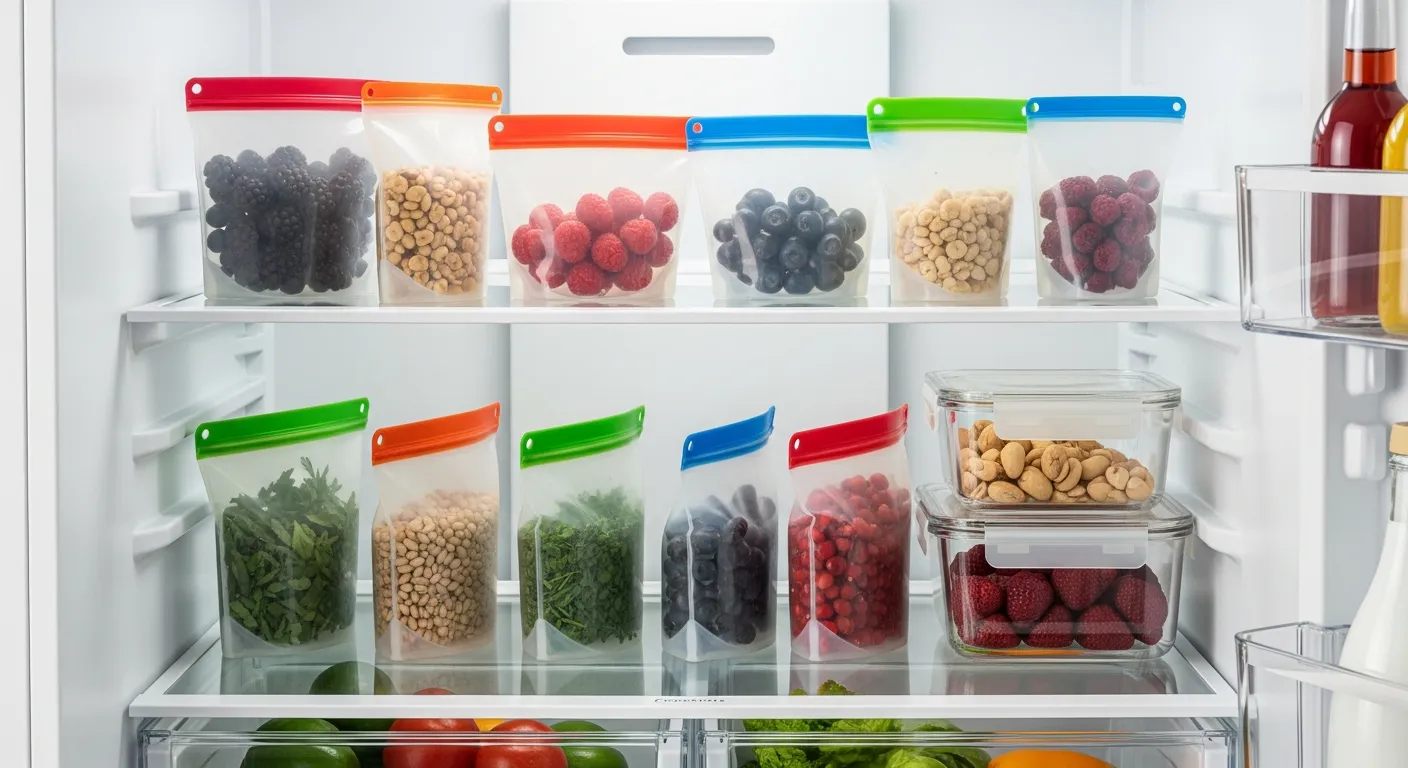
Many people prefer glass containers for the fridge, but silicone bags work well too. They are a great option for storing small portions of food, and these bags fit easily into tight spaces.
Customize the Shelving Height
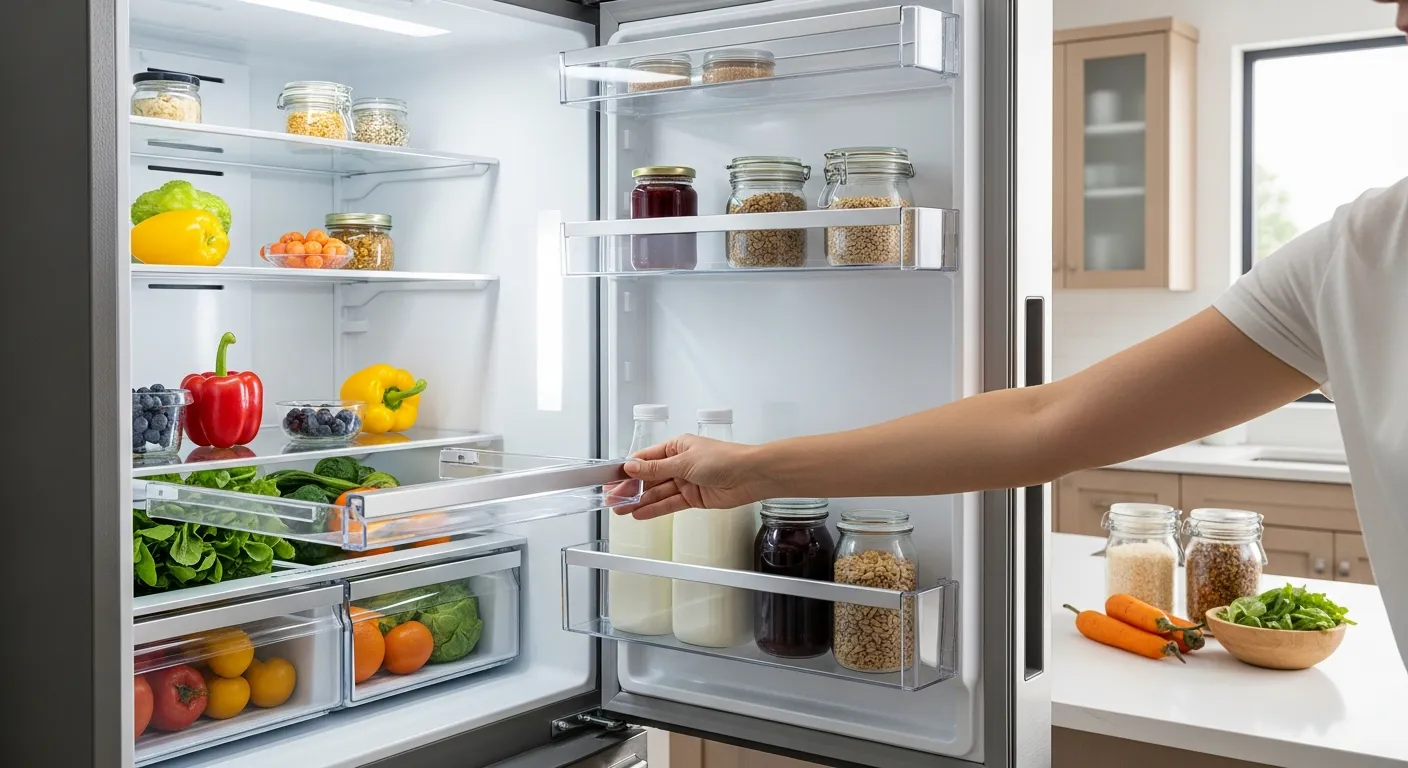
Adjust the shelves in the fridge to maximize the space. Take a few steps back, assess the fridge's spacing, and make adjustments as needed. It is difficult to organize the shelves regularly, but occasional adjustments ensure that the stockedshop items fit properly.
Use Masking Tape
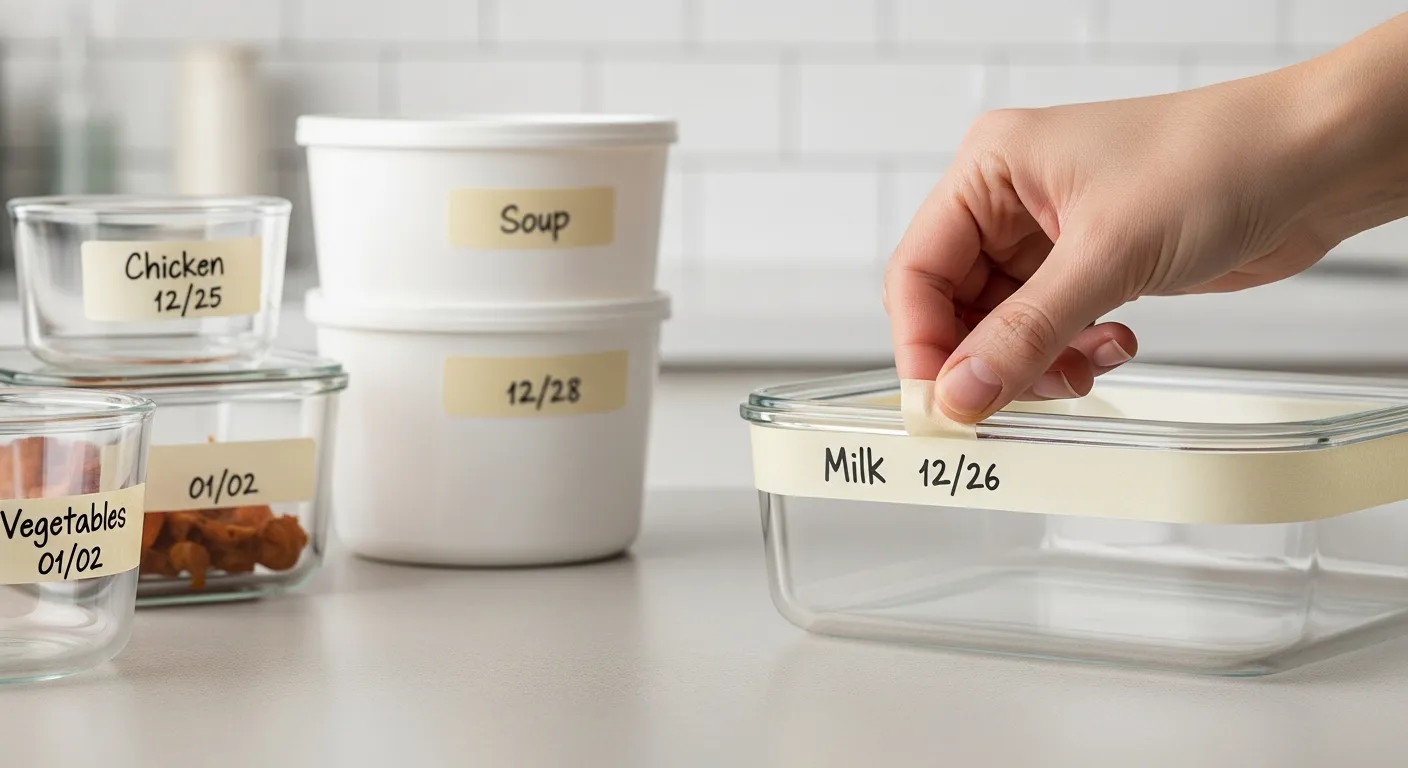
Masking tape is cost-effective, does not leave residue, and can easily be removed when needed. If the food is nearing its expiration date, label it with masking tape to track it and avoid food wastage.
Implement an “Eat First Bin”
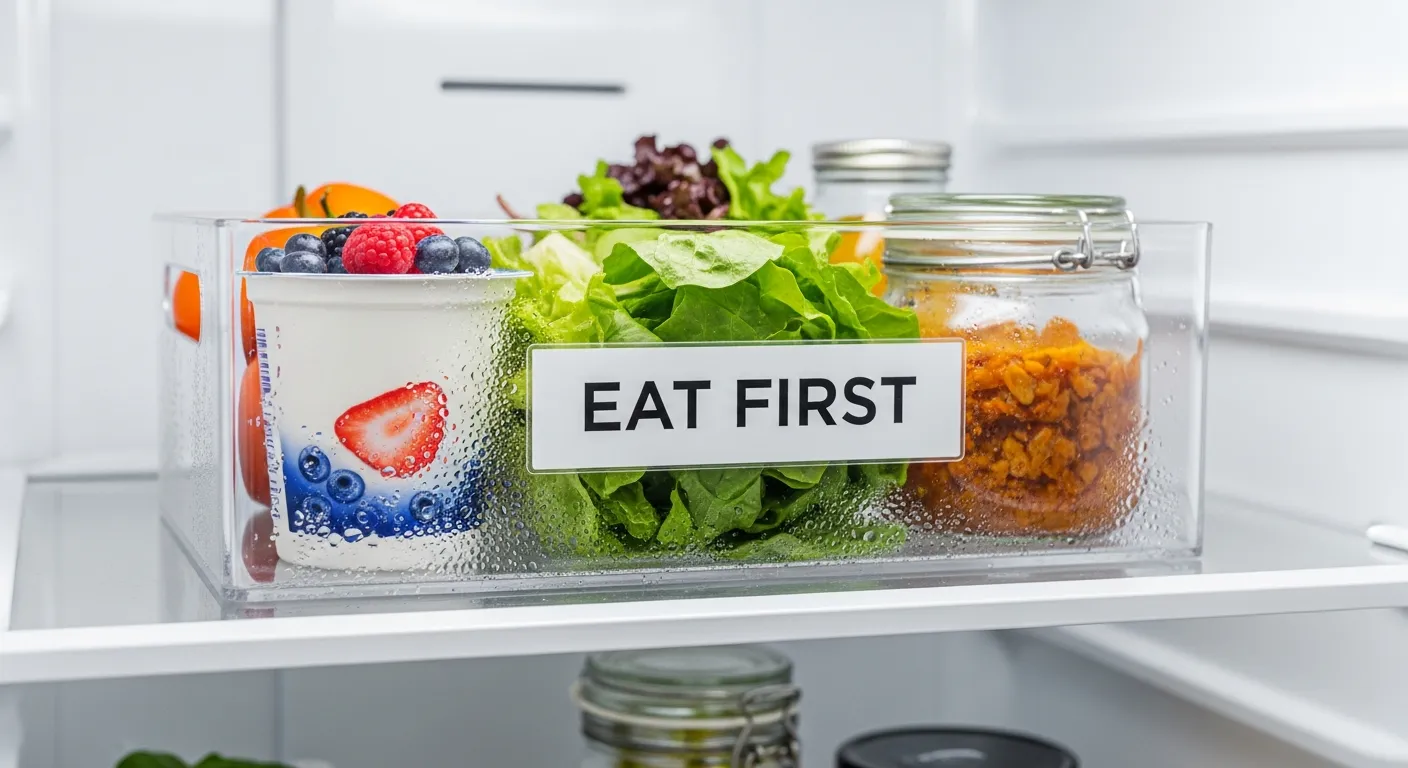
Create an “eat first” bin so that the good food doesn’t go to waste just because you couldn’t see it earlier. It is recommended to keep items close to their expiration dates in a container at eye level so they're the first thing you grab when a snack craving strikes.
Avoid Keeping the Item’s Original Box
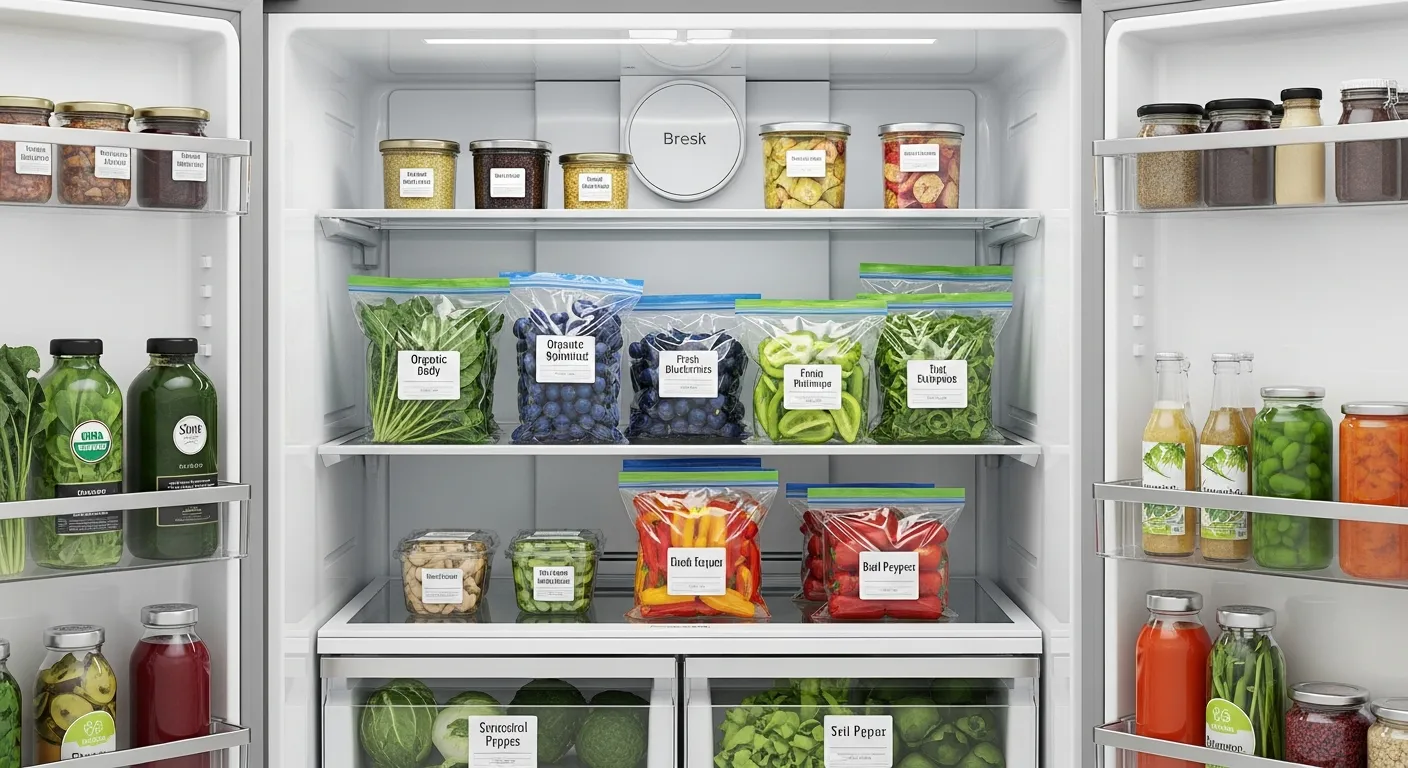
To keep your fridge spacious, never keep the item’s original packaging, as it takes up the entire space. Instead, use clear bags to store these items and label them to remind you what they are.
Use Zip-Lock Bags
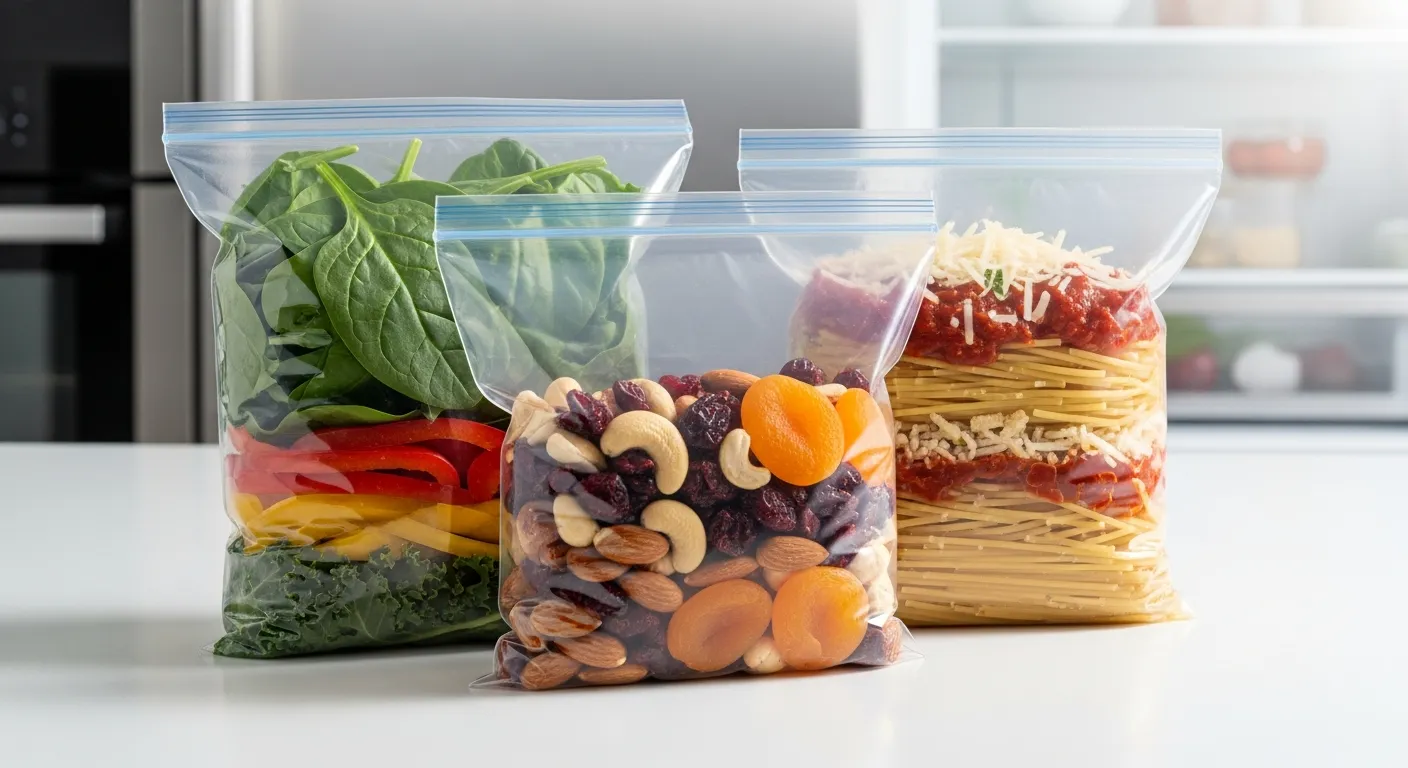
Zip-lock bags keep vegetables, nuts, and other food items fresh for a long period. Some ziplocks have a double seal, which makes them perfect for storing leftover portions.
Understand What Not to Keep
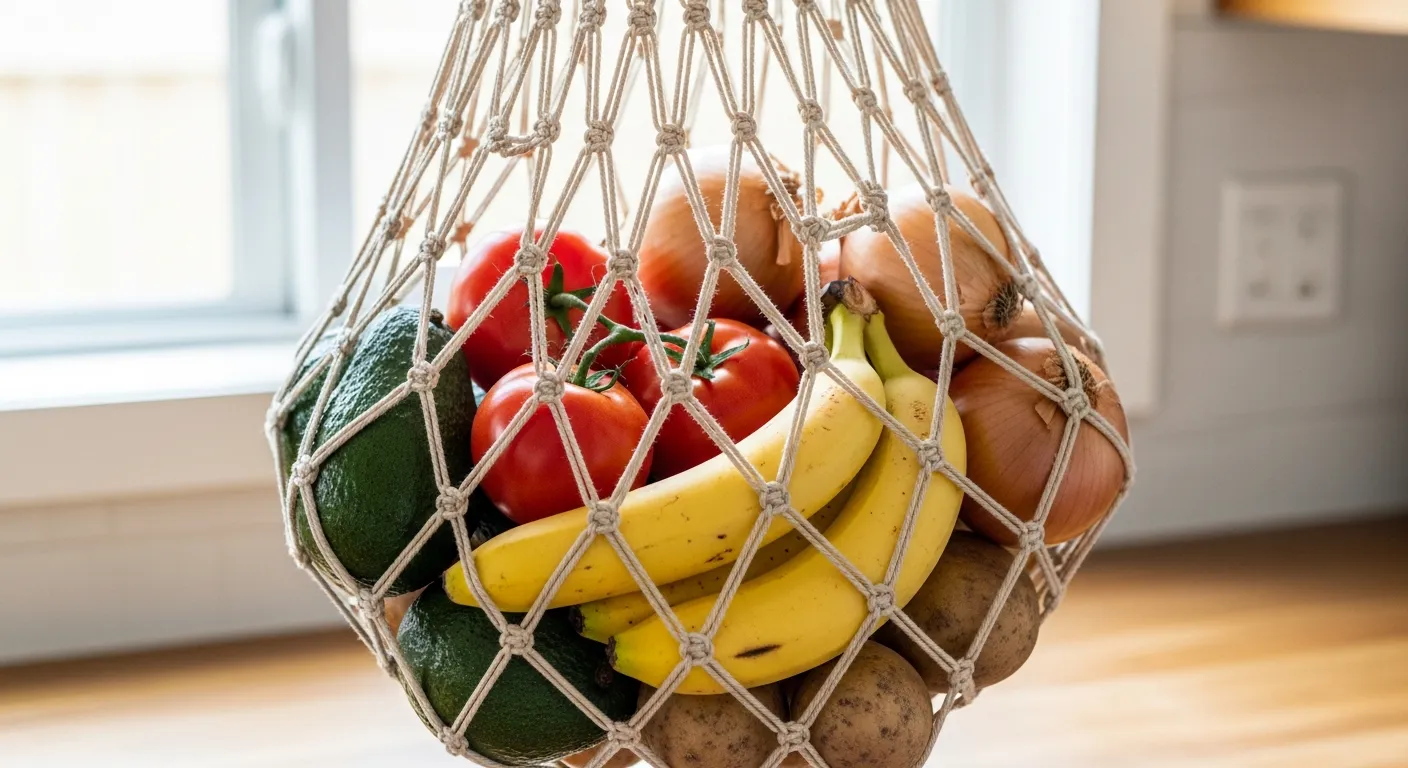
Not every food is meant to be inside the fridge. Hence, it is better to keep such food items out. You can buy a hanging net for your avocados, tomatoes, bananas, onions, potatoes, etc. It seems convenient and doesn't take up too much space in the fridge.
Assign Categories
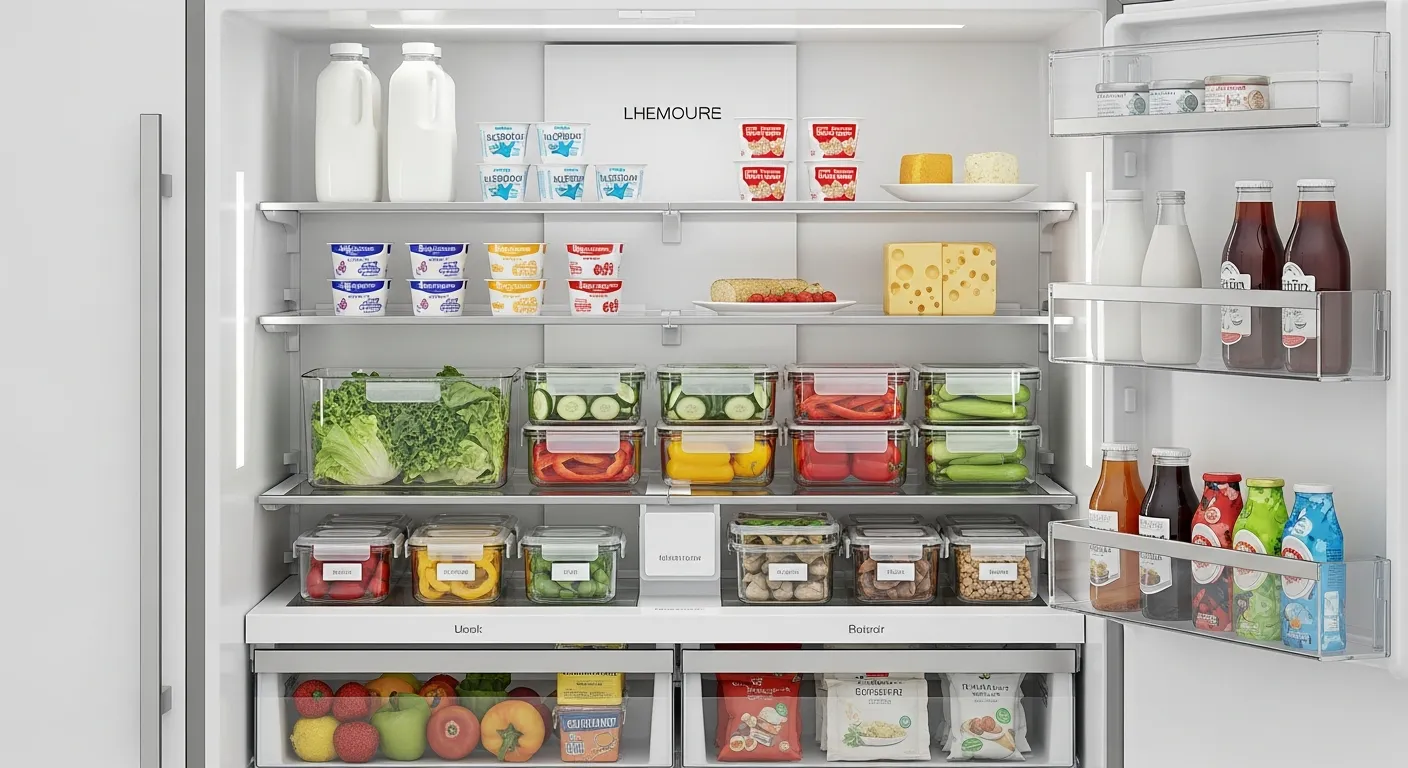
Everything in your fridge should have a designated place. Keep each food in specific areas, for example, place dairy products in one area and snacks in another. Doing this makes it easier for you to find exactly what you are looking for, rather than relying on guesswork.
Label the Categories
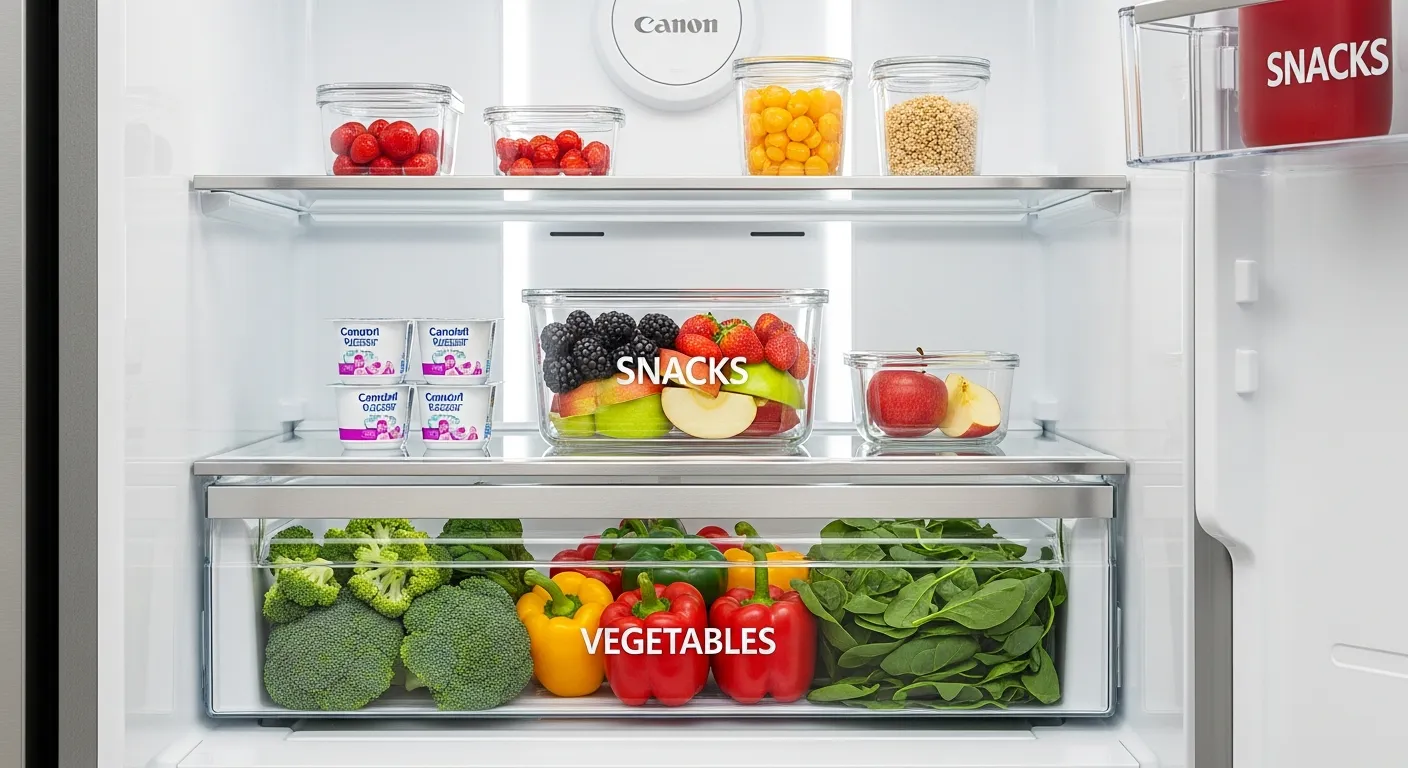
Labeling makes finding food easy, and you’ll also know which food belongs where. When labeling, it is advised to keep the categories broad, for example, “snacks” and “vegetables,” as they work better than just naming the food items. Doing this gives you the flexibility to avoid frequently changing the label as the grocery list changes.
Group Similar Items Together
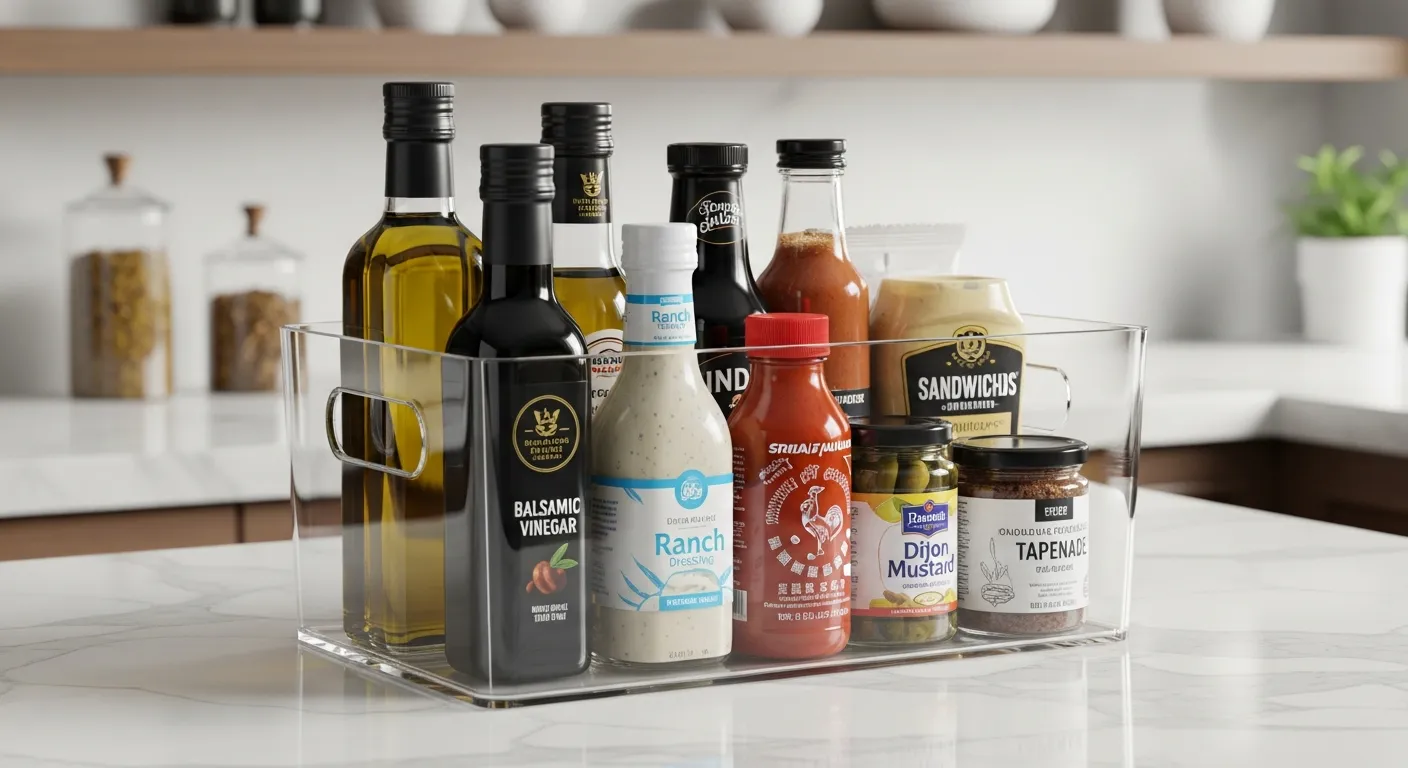
Put items like salad dressings, condiments, and sandwich fixings together. You can put these items together in a bin or container with handles, making them easy to grab.
Stack Them
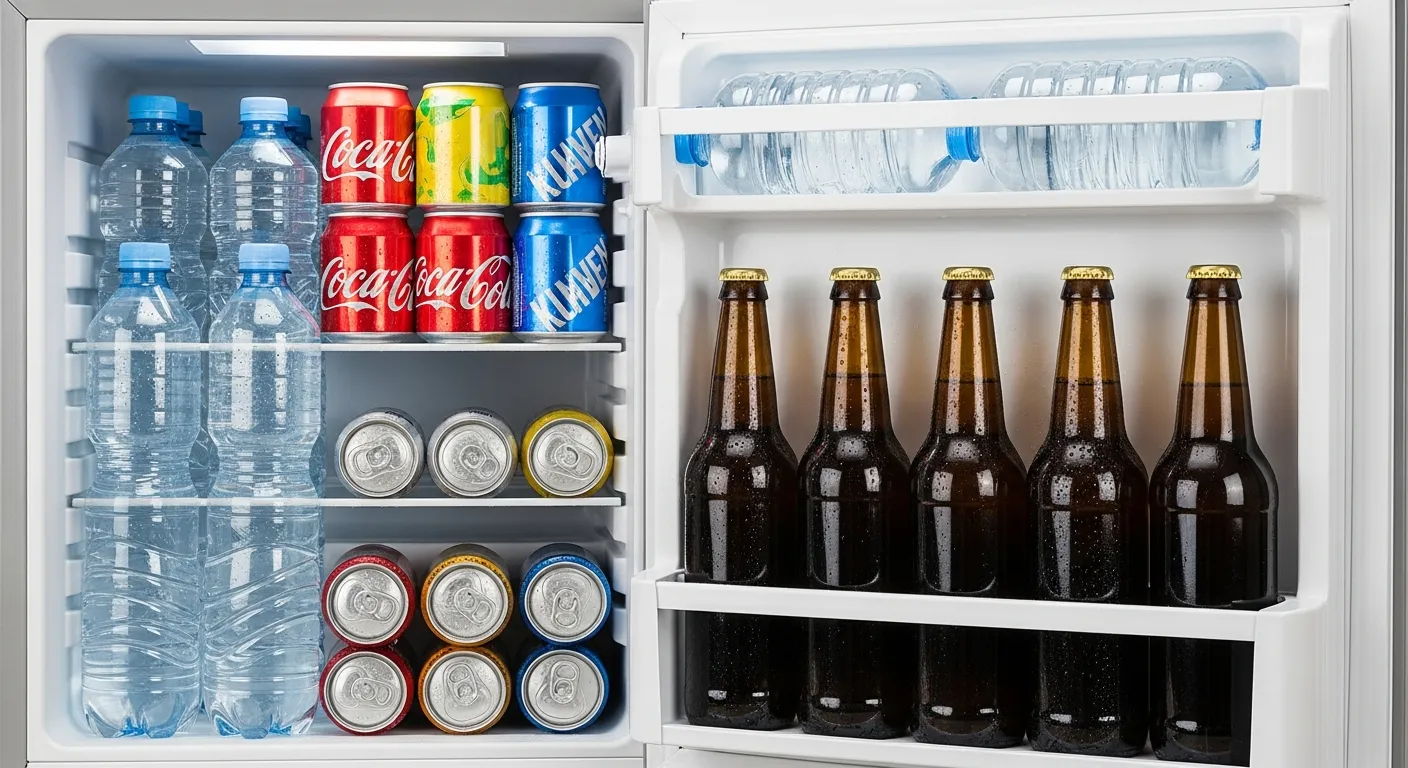
When storing water bottles, soda cans, and beer bottles inside the fridge, keep them together. Consider stacking them together to save space. This also works best even if you have a small fridge.
Treat Herbs Like Flowers
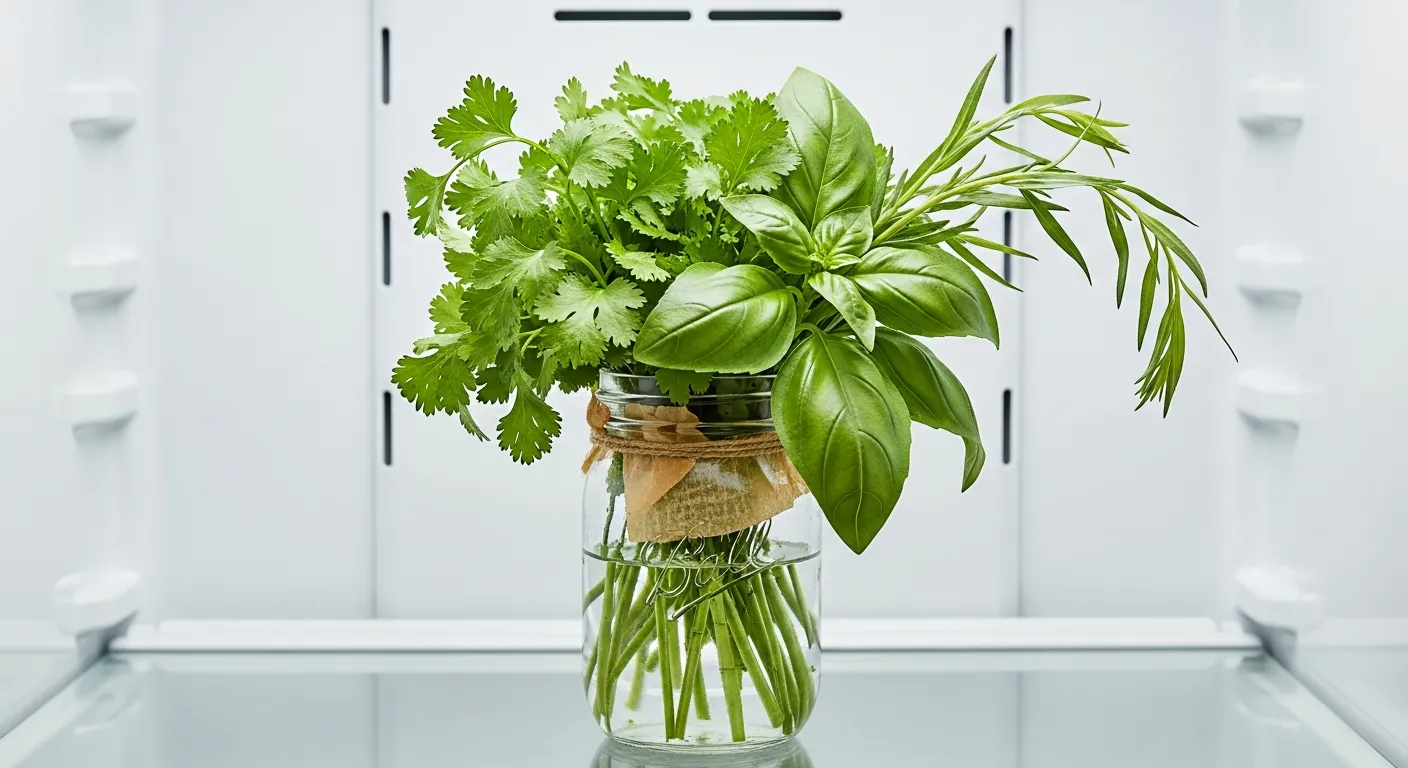
Cilantro, parsley, basil, and tarragon all need to be kept fresh. Even when refrigerated, they turn yellow and then brown after a few days. So, it is advised to keep them as you would keep a bouquet of flowers.
Cut a small number of stems and then place them in the half-filled mason jar. Cover lightly with a bee wrap and store on the middle shelf of the fridge; they will last for at least a week.
Keep the Meat and Fish at the Bottom
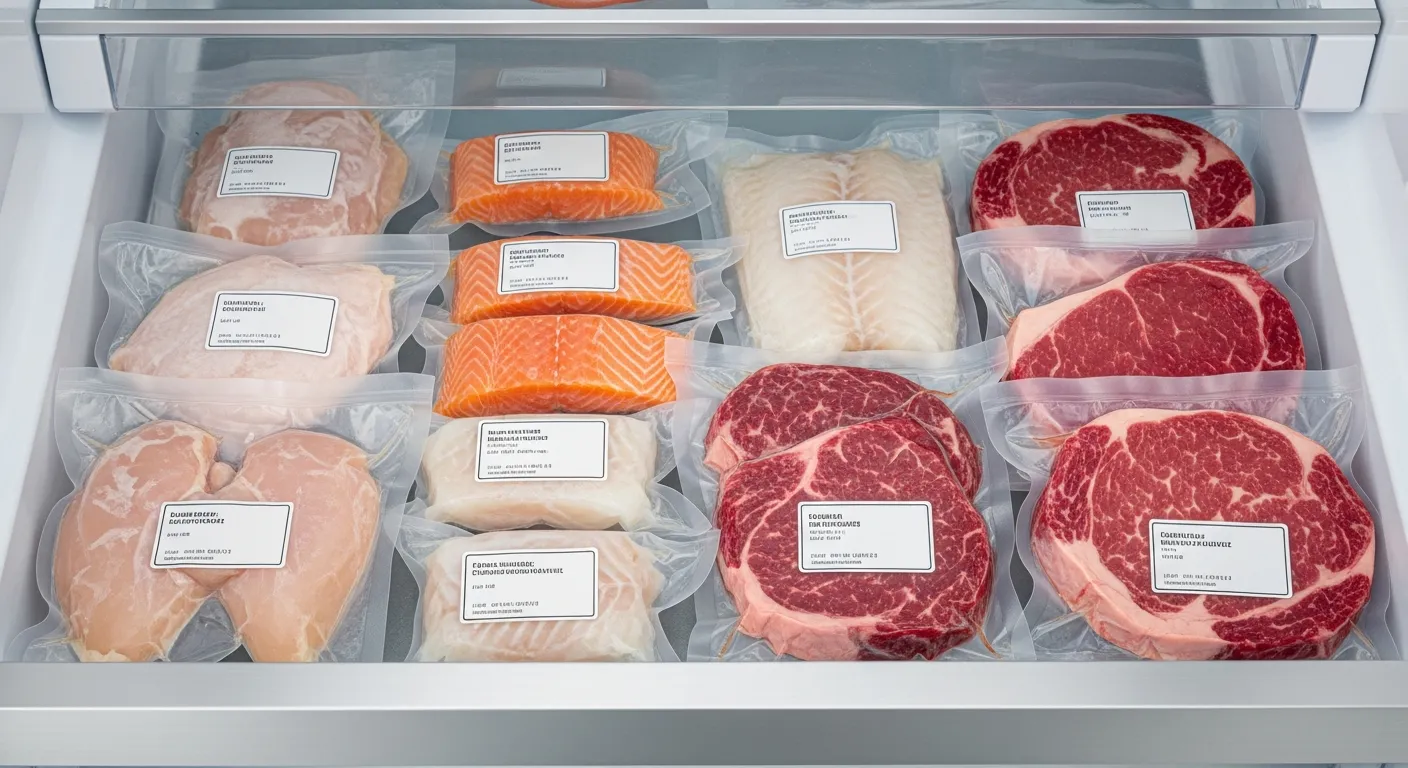
Keeping poultry, fish, and meat at the bottom of the freezer keeps them cold and fresh for a long time. It is because if you keep these items at the top of the fridge, and the package leaks or drips, it may contaminate other food items on the middle and lower shelves.