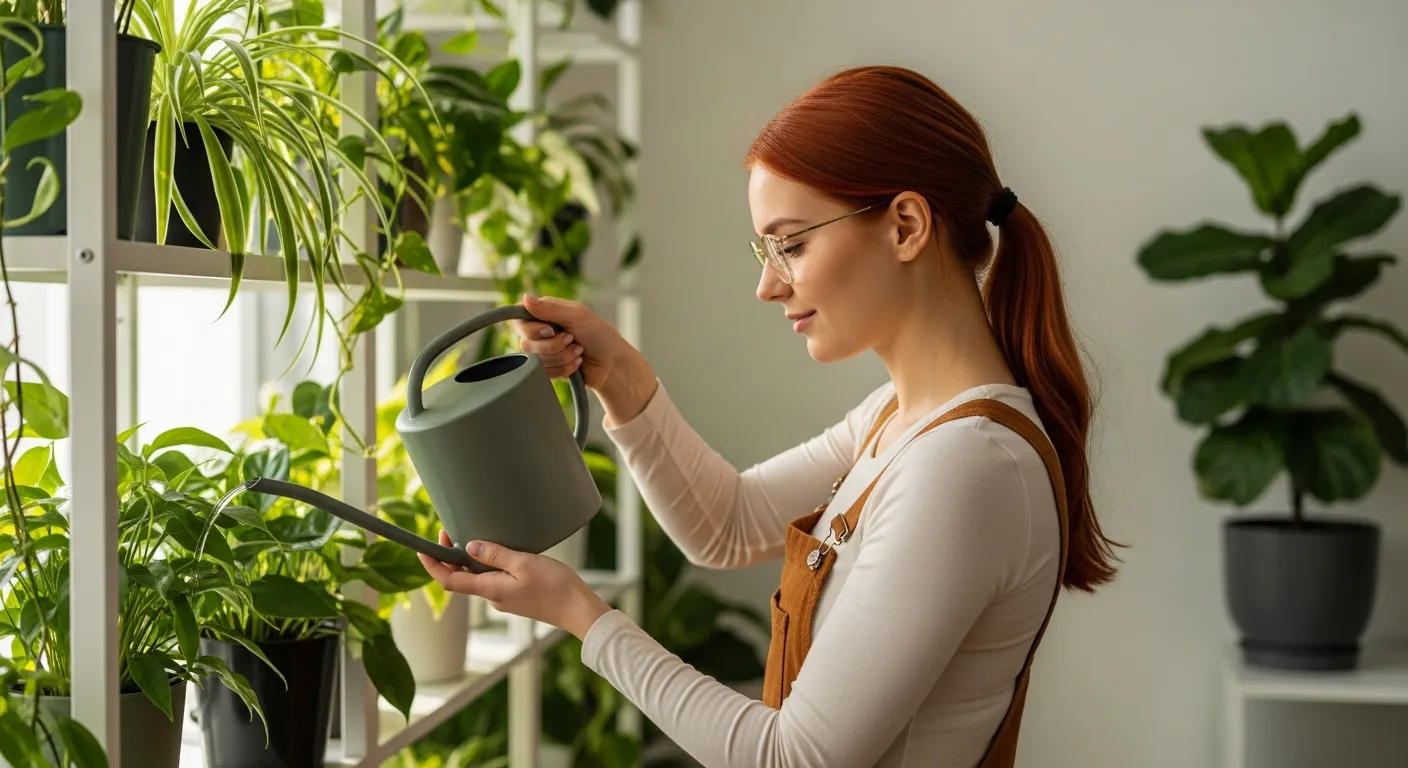
“How often should you water a houseplant?” This is one of the most common questions people usually ask, especially new plant parents. Well, there is no definitive answer, as watering requirements depend on the type of plant you have indoors. Many people who move their plants indoors face issues with either overwatering or underwatering.
No matter how needy the plant might be, it is always best to water it when the soil seems to be completely dry. This article explores the basics of watering houseplants to make sure your plant can grow properly and thrive even indoors.
How Often Should House Plants Be Watered?
As mentioned in the introduction, every plant has different needs, which may differ depending on the time of the year and species. A general rule of thumb states that a plant should be watered only when the topsoil is completely dry. This prevents overwatering.
When the weather turns warm, you can water the plant every few days. However, when the weather shifts to cold, watering once a week will do. Here’s how to determine when to water houseplants -
- Stick your finger into the soil (till the second knuckle).
- If the finger comes out clean and dry, the soil is completely dry and needs watering.
- Water it well, but make sure not to fill the pot with water.
- On the other hand, if your finger comes out dirty and moist, there’s no need to water.
- This way, you do not risk overwatering, which can cause the plant to die or suffer from pests and root rot.
What Factors Affect the Watering Schedule of Houseplants?
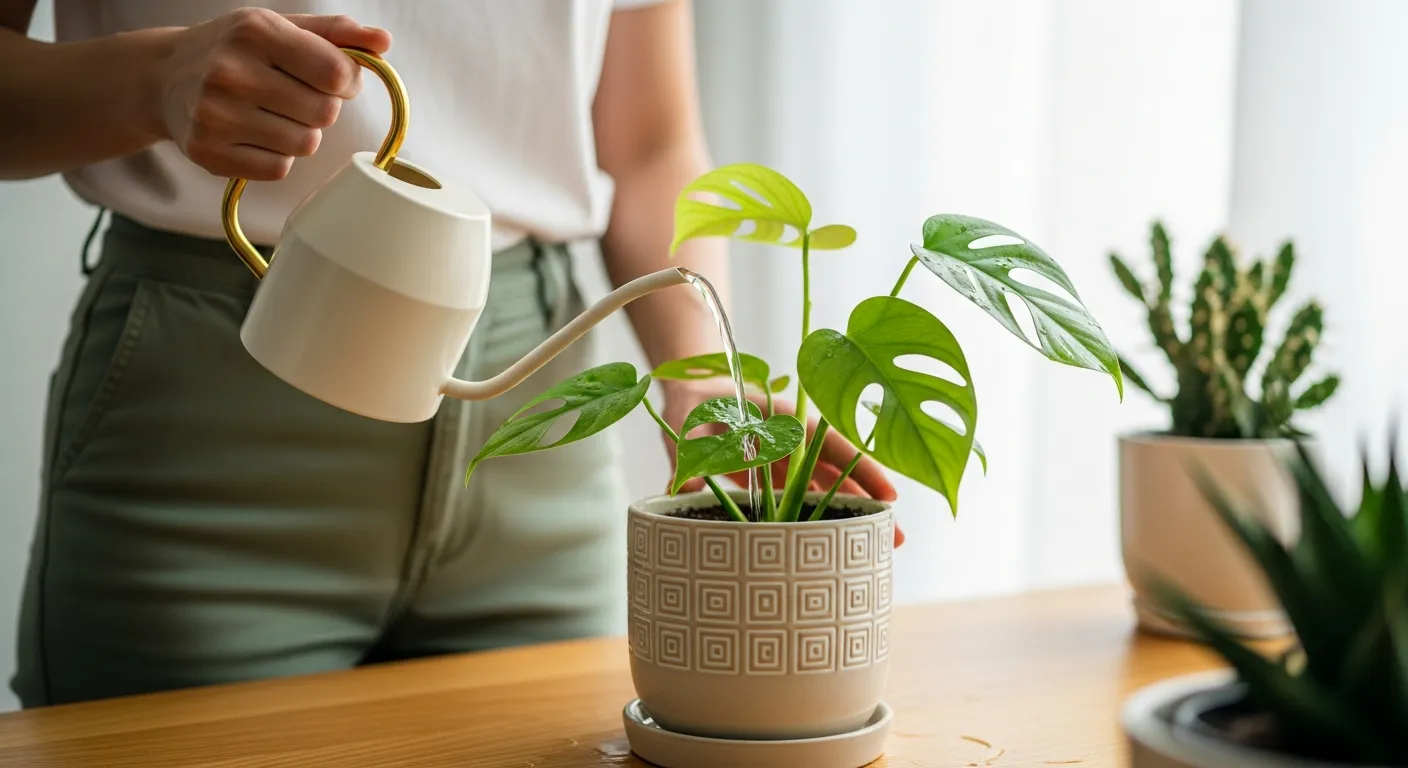
Before you water the houseplant, here are certain factors you must take into consideration -
Plant Type
Different plants have different thirst levels. If you have tropical plants, for example, Monstera Deliciosa, ZZ Plant, Alocasia, Pothos, Philodendron, etc., they would need more water than other succulents, such as Peace Lily, Bird of Paradise, Chinese Evergreen, Snake Plant, etc.
Watering Method
The amount of water a houseplant needs depends on how you water it. Some plants may prefer top-to-bottom watering while others may like bottom watering only. Whatever you do, remember not to water too shallowly, which means do not just splash water all around it every few days.
How the Soil Feels?
Always check the soil before watering. Just because the topsoil seems dry does not mean the soil inside is dry too. As mentioned earlier, always finger test the soil before watering, or you can use a moisture meter if you have large floor plants.
Location of the Plant
Where you “plant your plant” also determines how much you should water. If your plant loves direct sunlight and needs 6-12 hours of bright sunlight, it may need more water than plants that love indirect sunlight.
Size of the Pot
If your plant grows in a smaller pot, you may have to water it often, as the soil dries up quickly because of less soil content. However, if you have a large houseplant, then the watering frequency will be less.
Type of Pot
Here comes the interesting part - the type of the pot, too, determines how often a houseplant should be watered. For example, if you have terra cotta and clay pots, water them often as they are porous and air can get into the root ball. However, if you prefer ceramic or plastic pots, wait till the water dries.
Size of the Root Ball
Plants with tight root balls need frequent watering. But make sure it is not too potbound, as this can stunt their growth.
Type of Soil Mix
The type of soil mix you are using also determines how often you should water your houseplant. If you use a heavy potting mix, watering becomes less frequent.
Temperature and Humidity
If your home is warmer, the plant indoors will dry out faster. However, if the temperature inside the home is ideal and balanced, or cooler, then the soil may take some time to dry up.
Signs Your House Plants Need More Water
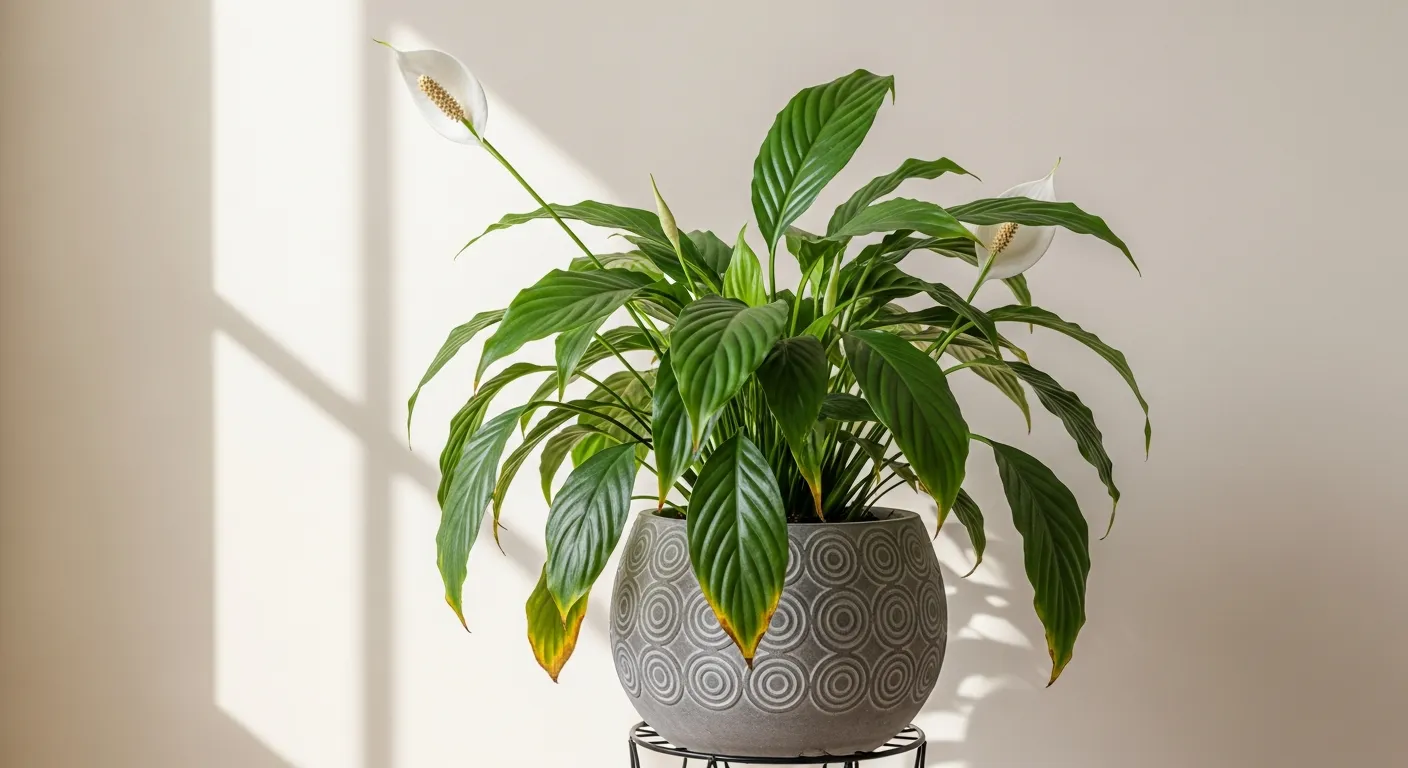
Here are certain signs that tell you that the plant in your home needs more water -
Drooping Leaves
The leaves of the plant droop when they don’t receive adequate water. Check the moisture level of the soil and water the plant whenever the soil feels dry.
Crispy Brown Leaves
When you see dry, crisp leaves, it means the plant is not watered well. Ensure that the plant is properly hydrated, but again, avoid overwatering.
Stunted or Slow Growth
Plants that do not receive much water may grow slowly, or they might not grow at all. Create a watering schedule to make sure that the plants are not left thirsty.
Soil Leaving the Pot Edges
When the soil becomes dry, they start to contract and pull away from the edges of the pot. Water them slowly so they revive without shock.
Signs You Are Overwatering Your House Plants
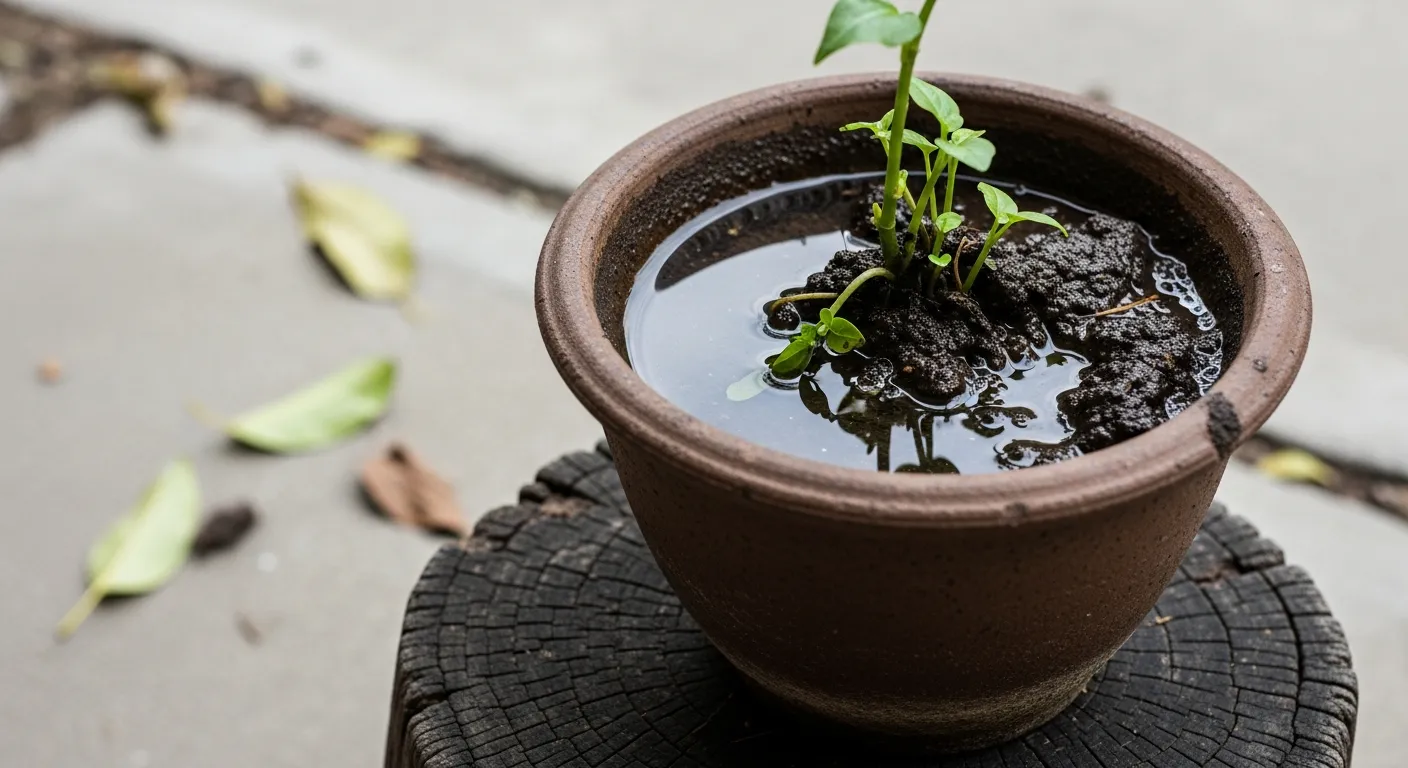
Here are some signs you might notice when you overwater your houseplant -
Yellowing Leaves
When you see that the leaves start to yellow from the base of the plant, followed by soft, limp stems, you might be overwatering the plant. This issue is quite common in pothos and peace lilies as they are sensitive to extremely long wet conditions.
Damp or Mushy Soil
When there is pooling water in the pot, the soil remains wet for a longer period; it means the drainage isn’t good at all. When the soil feels heavy due to excess water content, it can suffocate the roots, which becomes home to harmful bacteria and fungi.
Soft or Blackened Roots
If the root appears to be black or soft with a foul, mushy odor, it may be because the plant is overwatered. This causes the plant to become weak and prone to rotting and developing soil-borne diseases.
Mold and Fungus Growth
Pooling water in the pot is the best place for mold and fungus to thrive. These fungi and gnats lay eggs on the moist soil and may cause nuisance and weaken the plant. If you see white fuzzy growth, that’s mold growing on the potted soil.
How to Properly Water Indoor Plants?
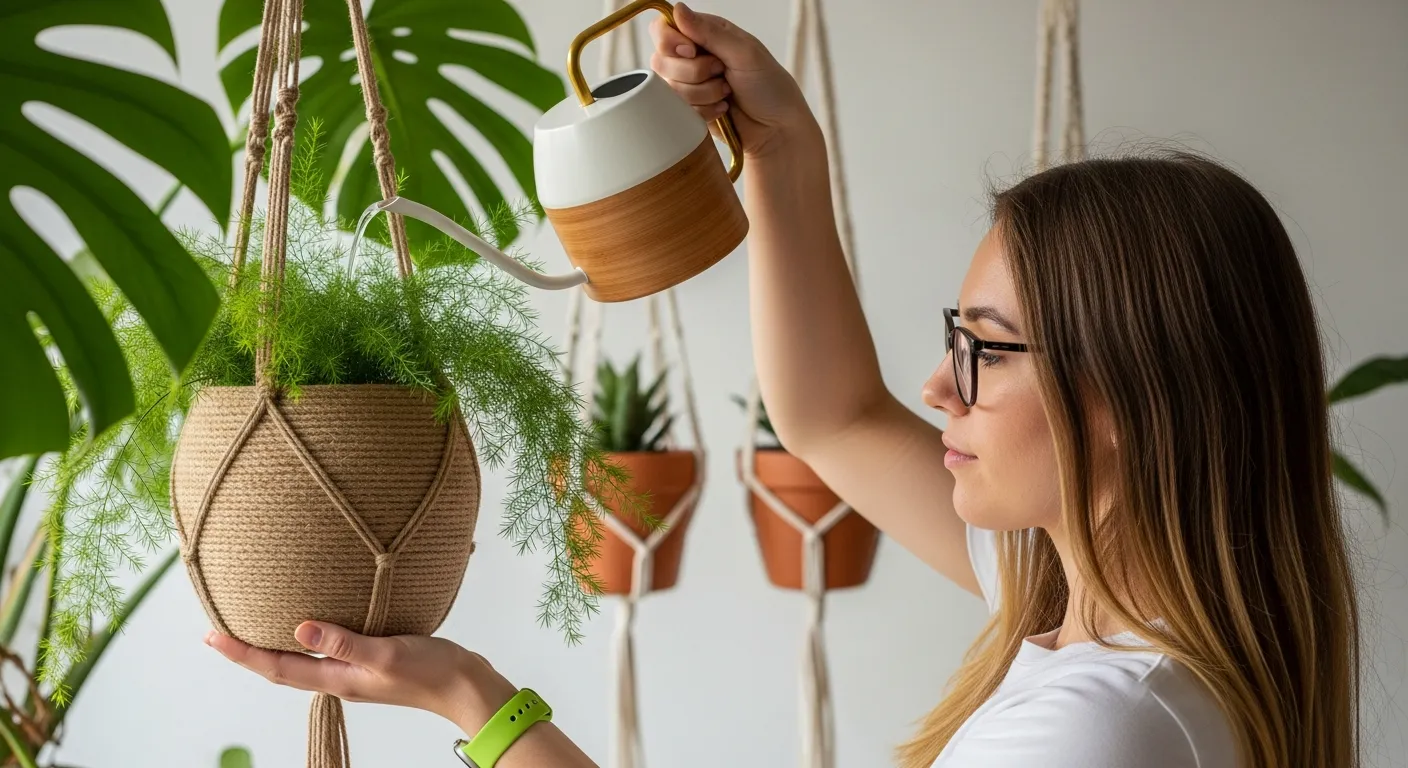
Here are some basics of watering your indoor plants -
- Check the soil in the pot to see if it is dry. But you have to figure out if your plant loves moisture or wants dry soil.
- If the soil feels dry, fill a vessel with room temperature water and leave it overnight, as some plants can be sensitive to tap water.
- Water the potting soil evenly so that the soil is saturated. Make sure there’s no mud and do not splash water onto the leaves, stems, or flowers. This may cause fungal or bacterial spots.
- Water up to ⅓-¼ of the planter's volume. Planters with a drainage hole can be watered until there’s water coming out of the bottom of the pot, whereas planters without a hole need mindful watering.
- You can place a saucer under the pot for 15-30 minutes to collect excess water so the plant can soak up more moisture.
Which Houseplant Needs Special Care When Watering?
Here are some houseplants that you should take proper care of when watering -
- Orchids: They need watering only once a week, and make sure to water the plant with just a small amount.
- Cacti and Succulents: These plants require minimal watering, and it is advised only to water when the soil seems extremely dry.
- Citrus Plants: Citrus plants need more frequent and regular watering than the other plants.
Conclusion
Every houseplant must be watered as per its needs. Check the type of plant you have, its species, the amount of sunlight they need, the potting soil, and the size of the houseplant. These factors will help you determine how often you should water them. Also, never use tap water, as they usually contain harsh minerals. Instead, you can opt for rainwater for better plant health, as it is fresh, natural, and does not have any added chemicals.