Noticing yellow jackets moving around can be worrisome because they tend to sting aggressively, causing severe pain, itching, and other related issues. They become more aggressive and hostile during late summer days, especially when disturbed. Getting rid of them seems quite challenging; however, they can be tackled using proper methods.
This blog will take you through several ways to get rid of yellow jackets.
What Kind of Insects Are Yellow Jackets?
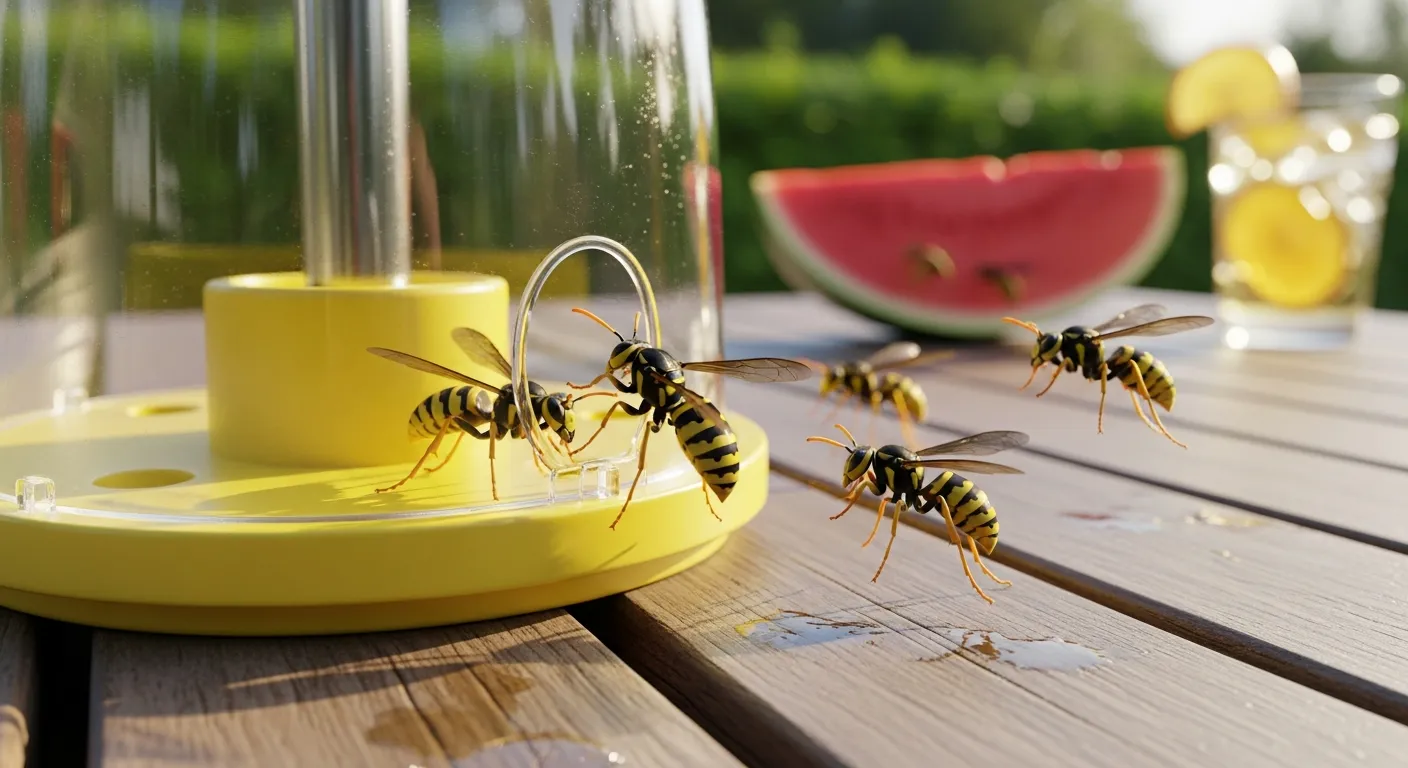
Yellow jackets are wasps, but they look similar to bees because of their yellow and black color. They always defend their nest by stinging multiple times, thanks to their smooth stingers. Noticing them gather around your home and outdoors is highly irritating, as they get attracted to food and sweet beverages.
Why Are Yellow Jackets a Problem?
- As yellow jackets are attracted to foods and beverages, they can disturb you at a picnic.
- They become fierce if they feel their nest is under threat.
- Their sting can cause various health problems, including fever, sickness, pain, redness, swelling, and itching.
- If yellow jackets sting a person with an allergy to insect bites, they may need immediate medical help.
Where and When Do Yellow Jackets Build Their Nests?
The queen yellow jacket often build their nest underground, inside hollow openings in buildings, and in aerial paper nests.
Yellow jackets are most abundant in two seasons: early spring and late summer. In spring, over-wintering queens start building a new colony. In late summer and early fall, the colony matures, and yellow jackets wander excessively in search of food.
Natural Ways to Get Rid of Yellow Jackets
Prevention is the Best Solution
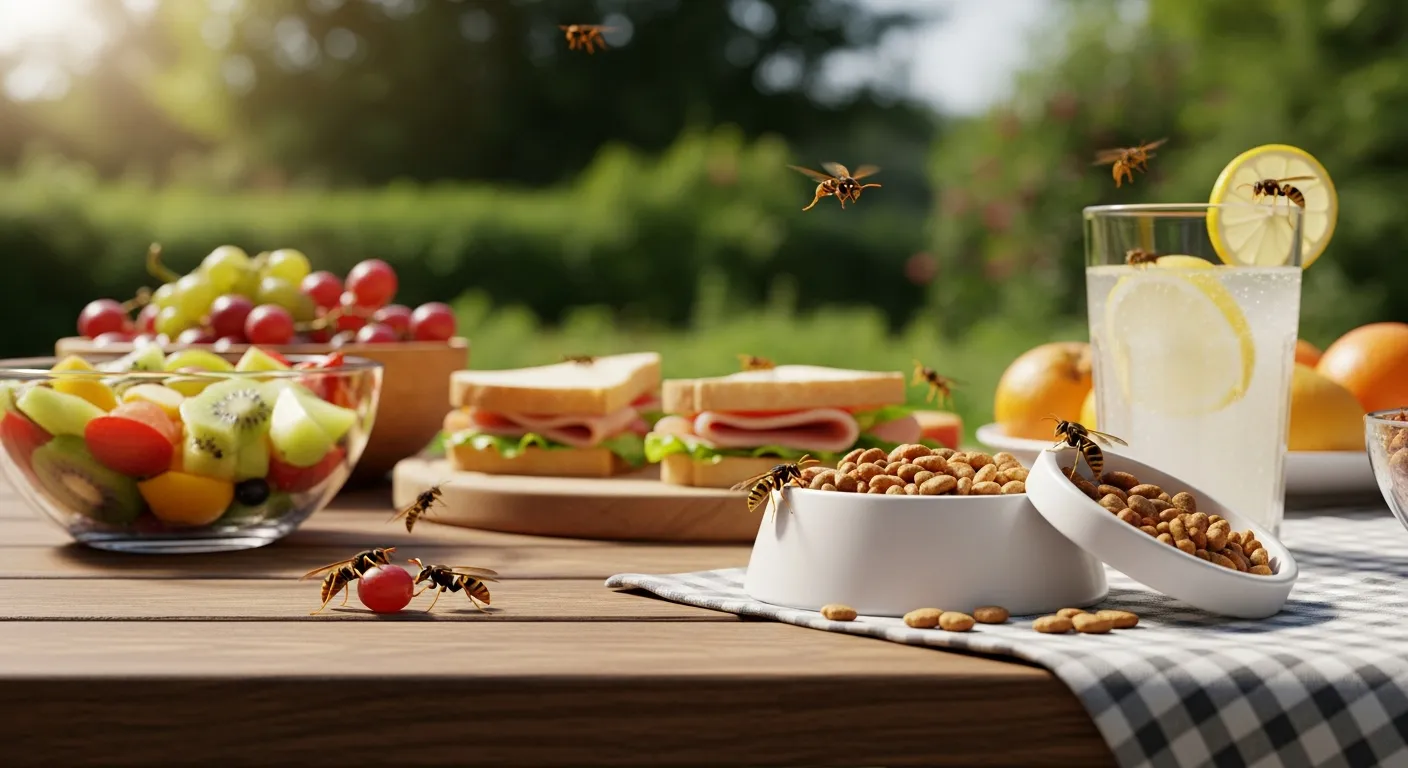
Here are a few simple steps to avoid yellow jackets:
- Do not leave food items uncovered. Yellow jackets are attracted to food and drink; therefore, keep all food items (even pet food) covered as much as possible.
- Close the garbage cans with a tight lid. Also, remove any stagnant water.
- Keep fragrant items away, such as perfume, shampoos, and other scented body care products. Also, avoid wearing bright-colored (such as yellow) or floral-patterned clothes, as they are attracted to these colors.
- Keep a distance from their nest as much as you can. Yellow jackets get instantly triggered and can sting when you're close to their nest.
Trap Yellow Jackets
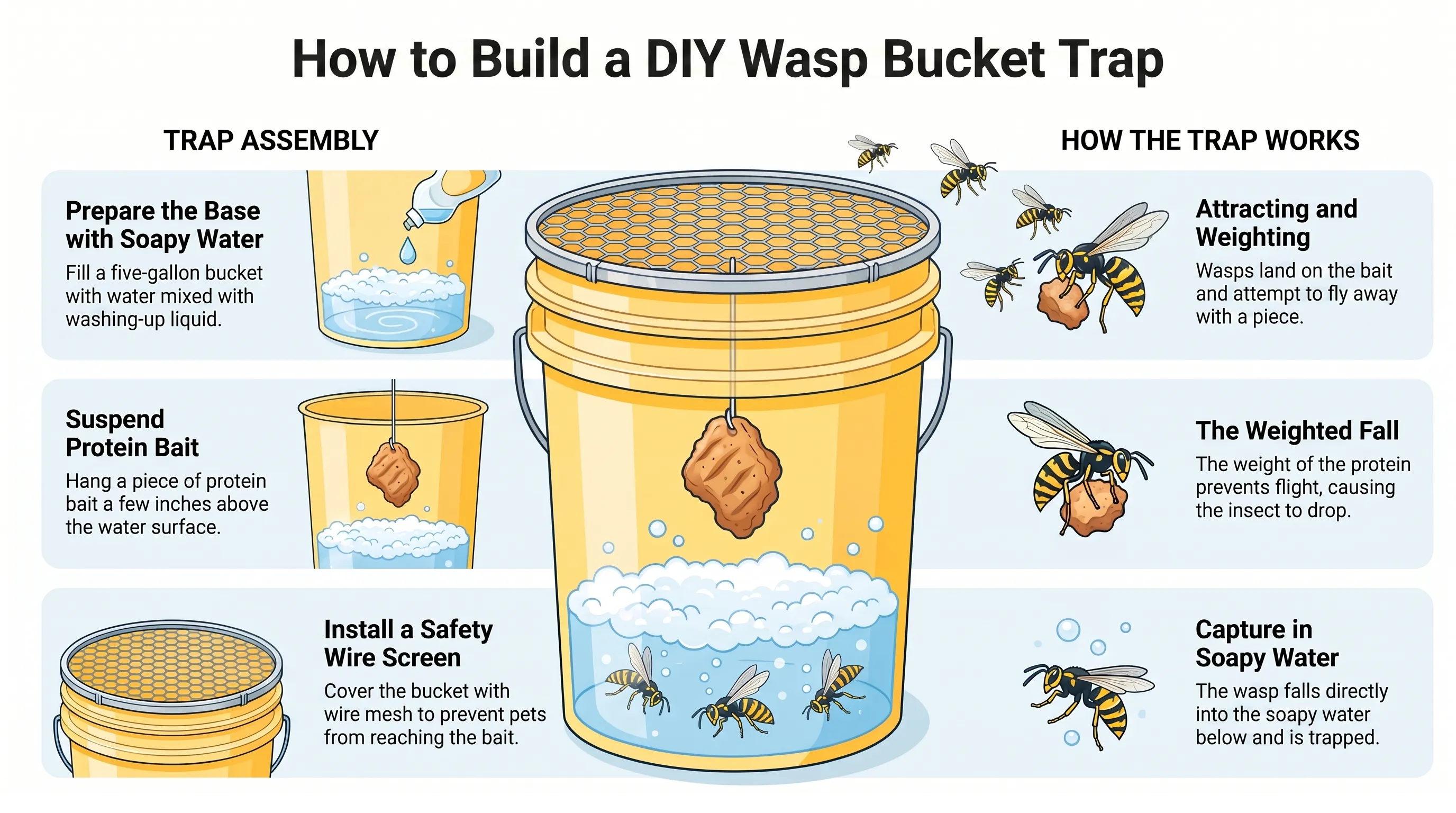
Here are a few pesticide-free trapping techniques:
- You can easily make traps at home or even buy them from local garden and hardware stores.
- To make a homemade trap, fill a five-gallon bucket with soapy water and hang a protein bait a few inches above the bucket. Put a wire screen over the bucket to keep your pets from reaching the bait. When yellow jackets pull a heavy piece of bait, they won't be able to fly and will fall inside the trap.
- During spring and summer, use protein-based bait, as they feed their young protein during this time.
- Try trapping them with natural baits, such as sweet drinks or juices. You can also mix beer and diluted Italian soda to bait yellow jackets.
- If you've trapped them, putting them in the freezer or a plastic bag on a hot day for several hours will kill the yellow jackets.
- Empty and refill the traps at least once a week.
- Consider trapping them between late winter and early spring months to lower their population.
Remove Their Nest
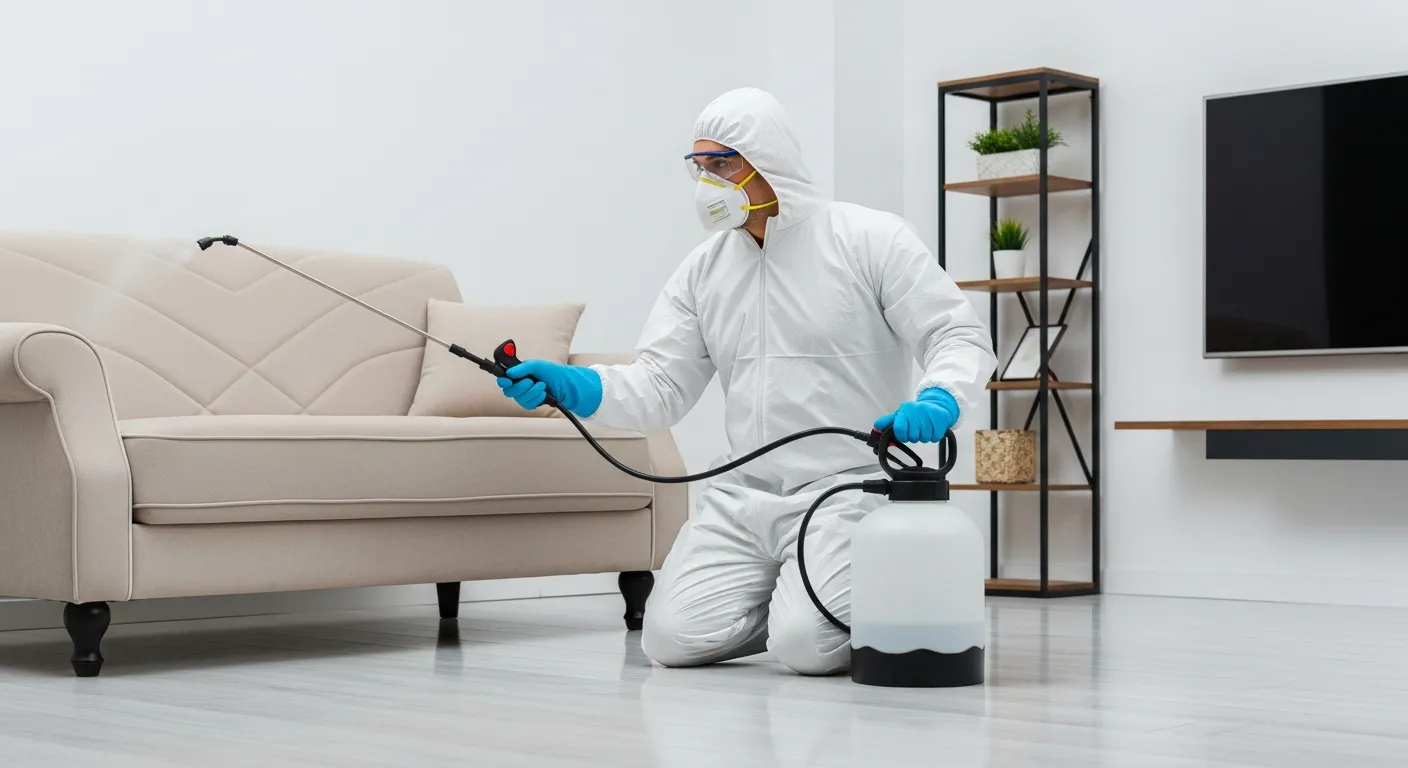
Another natural way to get rid of yellow jackets is to remove their nest. However, the nest removal should be done by professionals, as working around them can be risky without protective gear.
Get Rid of Yellow Jackets Using Chemicals
Use Aerosol Insecticide
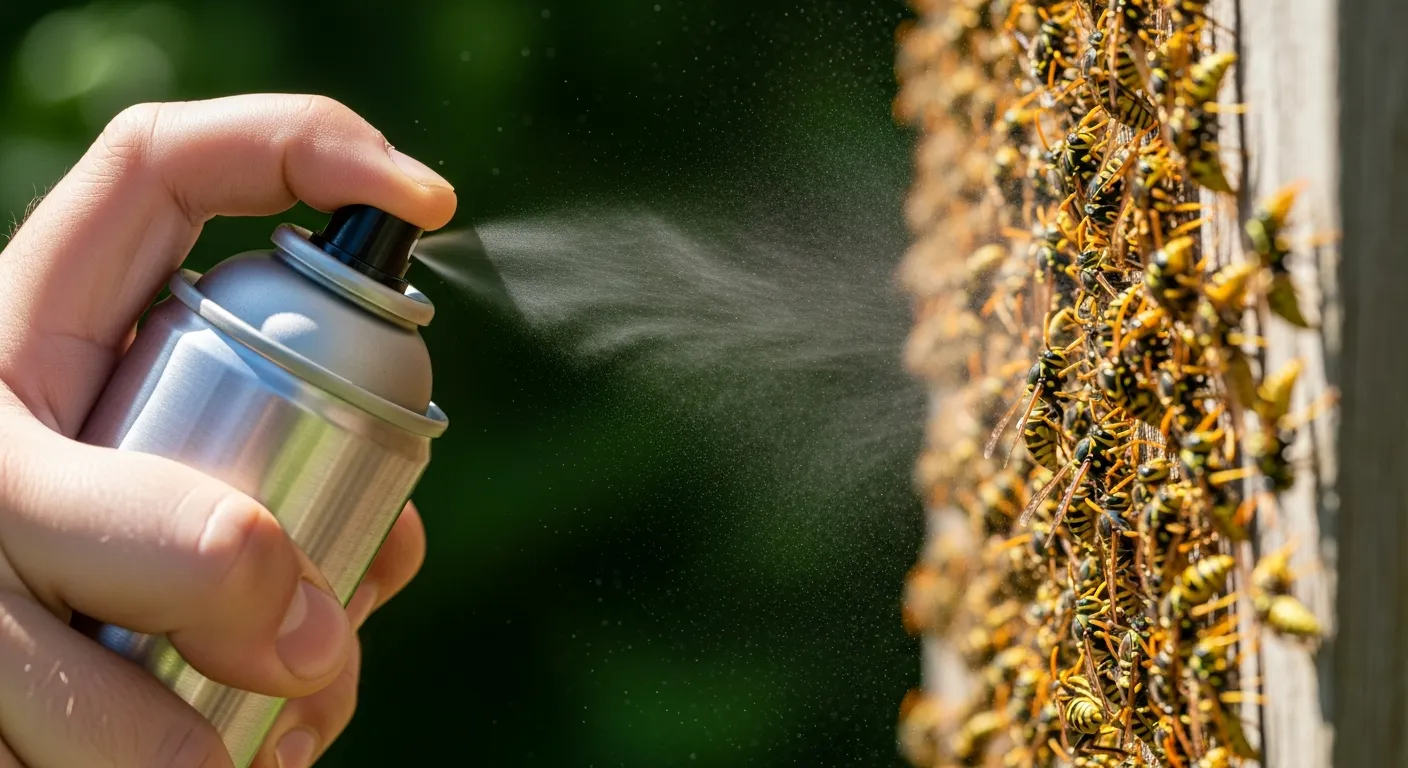
Aerosol insecticide is a quick way to get rid of small yellow jacket colonies. When aerosol is sprayed at the entry points of wasp nests or into their nest, it freezes them to death.
Prefer spraying the aerosol insecticide into their nests during early morning or late night, when they are inside.
If you find them still moving around, spray the insecticide again. If you still find them getting in and out of the nest, go for a third try.
| Notes | The aerosol insecticide is not made for using on ground nests. |
Dust Insecticides
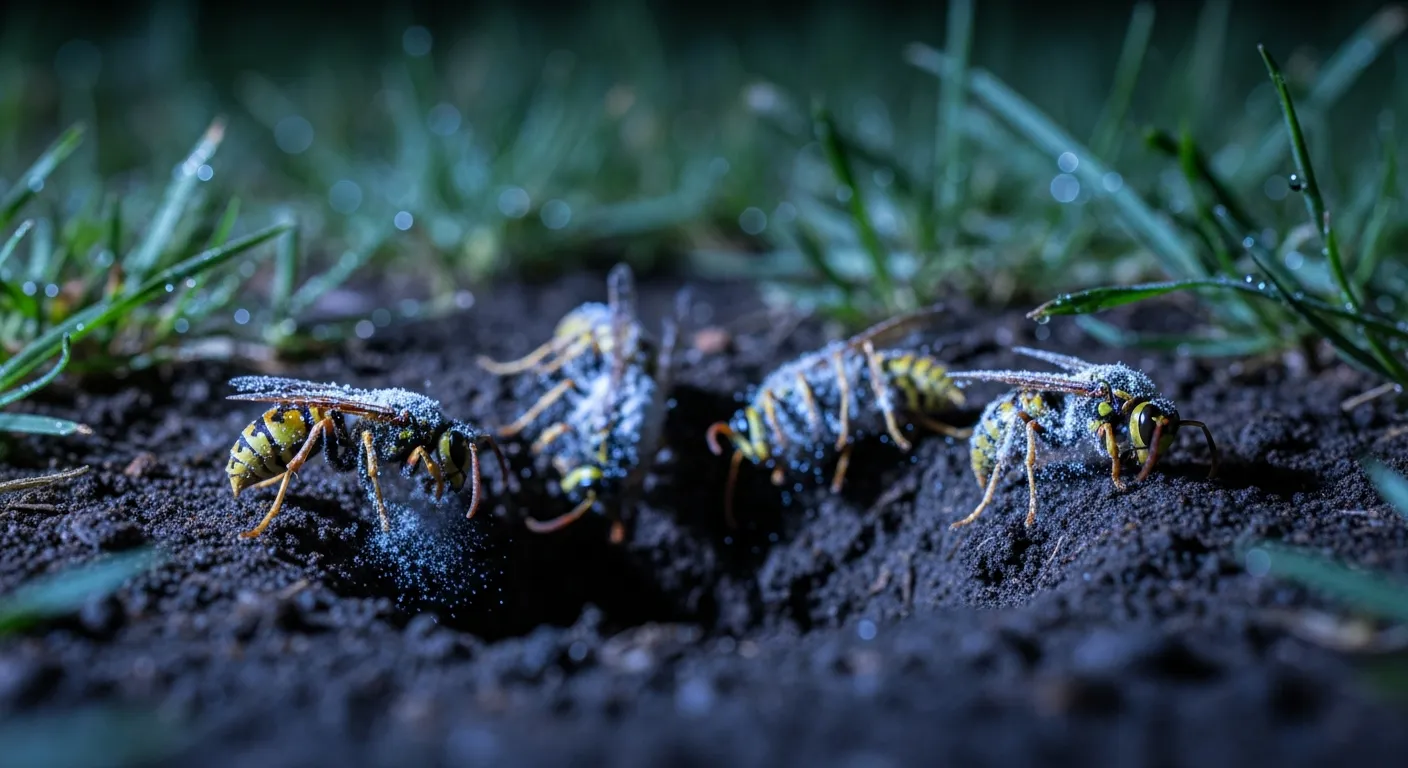
Carbaryl or permethrin is an insecticide dust that can be applied at the entrance to ground nests. Consider applying dust insecticide at night when yellow jackets are inactive. These insecticides stick to their bodies, and when they move to their colony, it eventually wipes out their entire colony.
| Notes | This method should only be applied to nests underground or in wall voids. |
Liquid Insecticides
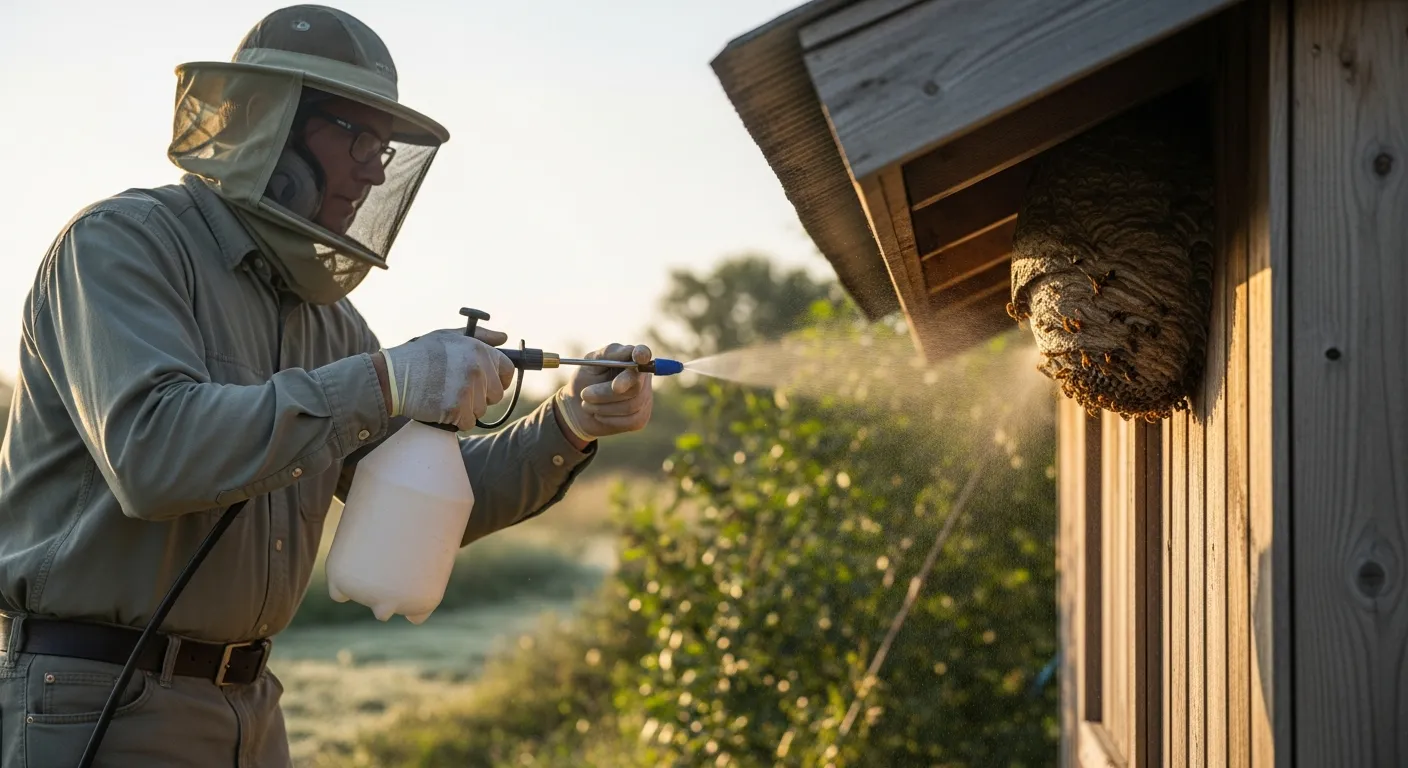
Use a liquid insecticide when you can easily reach the nest. You can spray the liquid insecticide at the entry points or directly inside the nest. Liquid insecticide contains chemicals that kill insects if they ingest or come into contact with it. Apply the liquid insecticide at night or early morning, when yellow jackets are inactive.
| Notes | This method should be applied to nests that are easily accessible and where you can directly target them. Do not use this method if their nest is located high off the ground. |
Conclusion
Yellow jackets can be irritating as they sting aggressively and swarm around food and beverages. Though it’s challenging to get rid of them, using proper methods can help you control them effectively. From homemade traps to chemical-based insecticides, there are various ways to get rid of yellow jackets. Just make sure that you follow proper safety measures and wear protective clothing while dealing with them. If they seem uncontrollable, seek professional help.