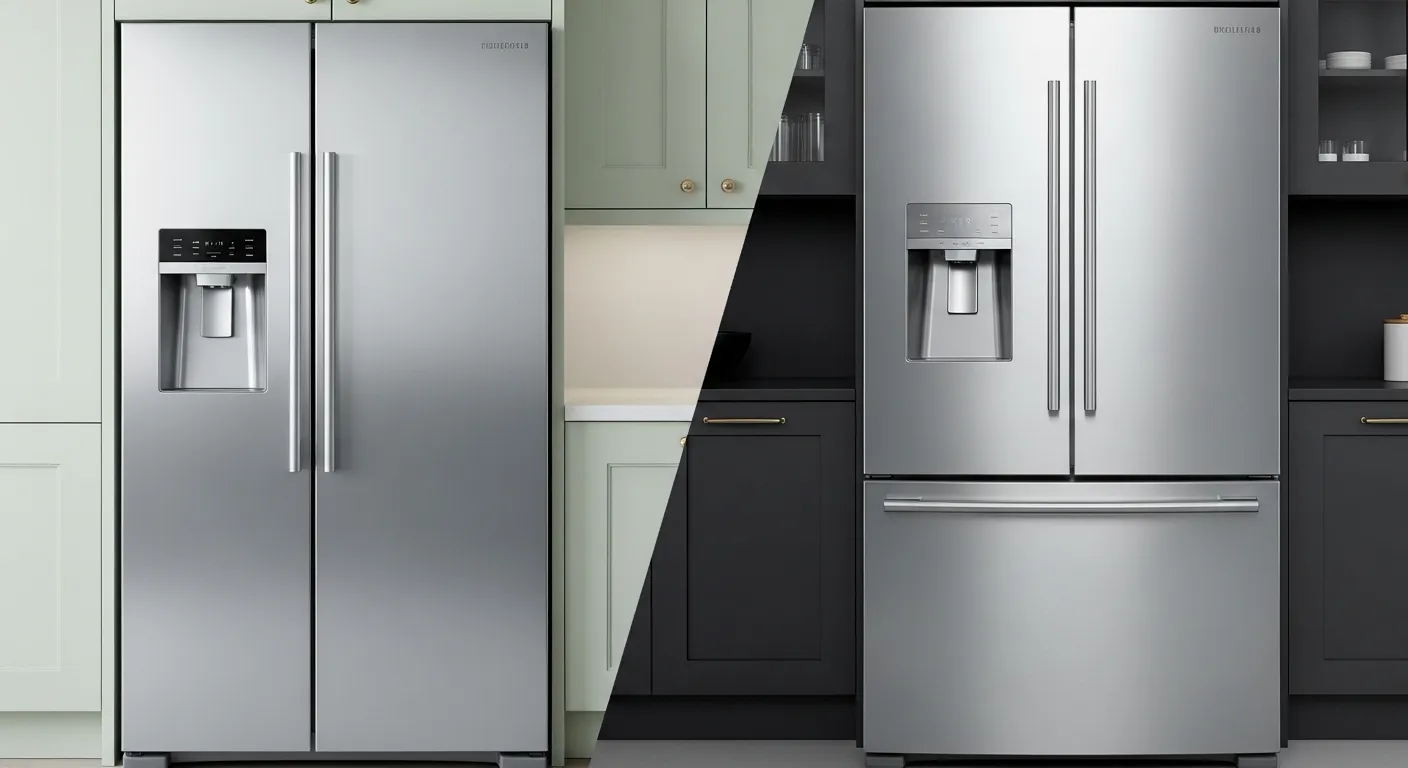
Are you looking to upgrade your existing refrigerator? There are several options on the market, but homeowners often get stuck deciding between a counter-depth and a standard-depth fridge. Well, no matter what you choose, the decision mostly depends on functionality, features, whether the appliance fits in your kitchen, and whether it achieves the look you are after.
To help homeowners decide which one to choose, this blog discusses the difference between counter-depth and standard-depth fridges.
What is a Counter Depth Fridge?
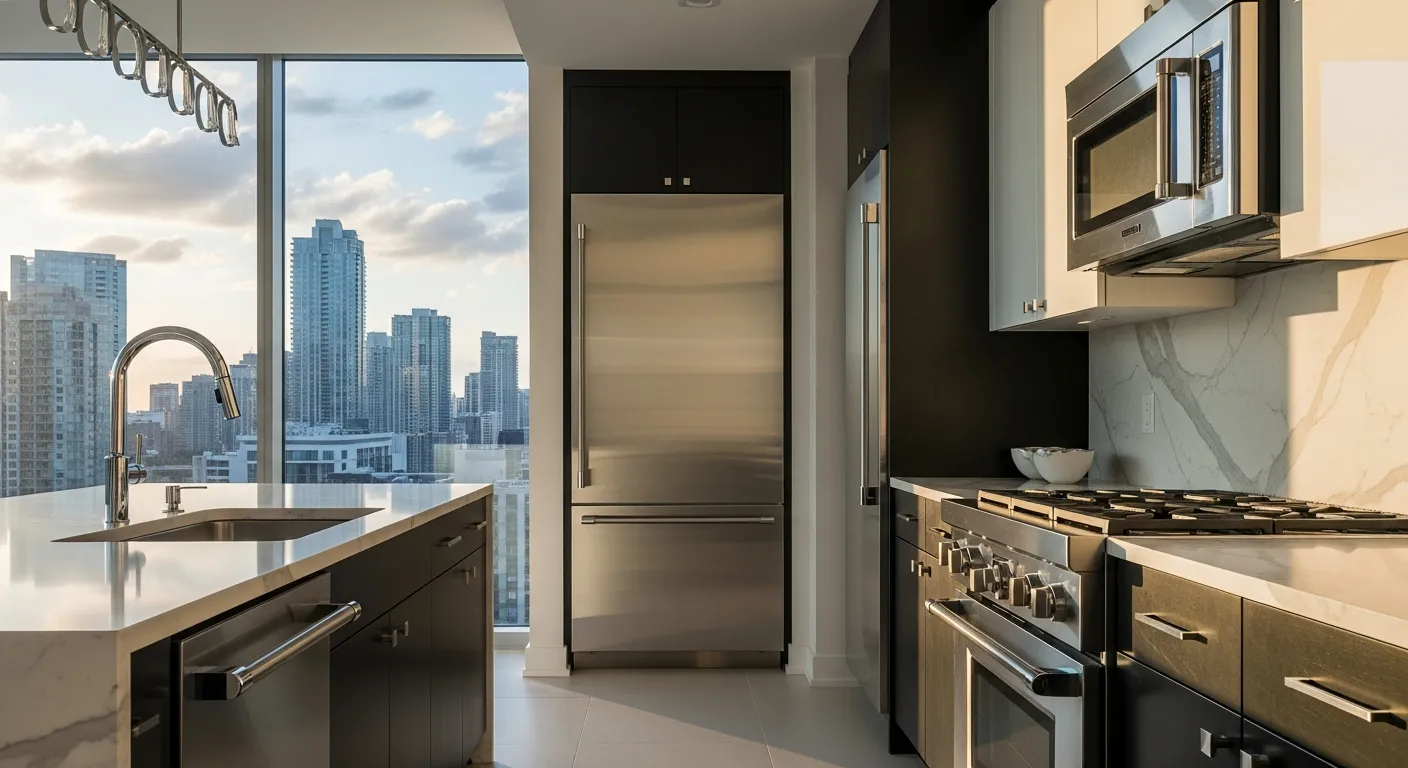
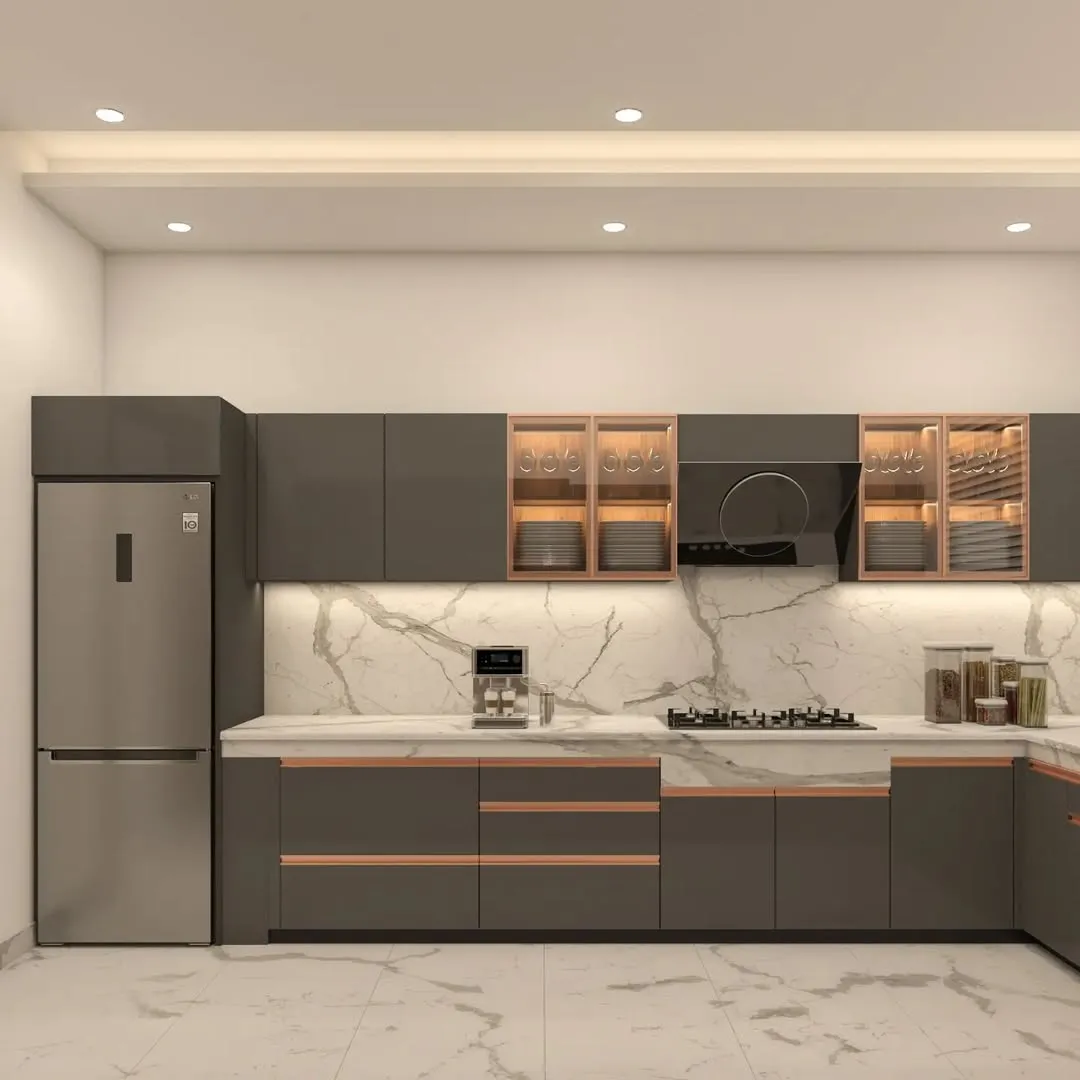
A counter-depth fridge fits perfectly with your kitchen cabinets and gives the appliance a sleek appearance. These refrigerators mostly have depths of 24 to 30 inches. The appliance's smaller size may not be ideal for the higher storage requirements, but it gives your kitchen a clean, sophisticated look. Counter depth fridge won’t pop out of the kitchen cabinets, in case you have a smaller kitchen.
You can find counter-depth fridges in all styles, such as French door, side-by-side, bottom-freezer, top-freezer, and mini fridges. Some of the fridges also have matching cabinet features, which adds a perfect high-design aesthetic. But these fridges are costly, and if you are tight on budget, you might want to look for other options, i.e., a standard-depth fridge.
Benefits of Counter-Depth Fridge
Here are the benefits that a counter-depth fridge offers -
-
Built-in Appearance: A counter-depth fridge blends seamlessly with your kitchen cabinets, creating a uniform look throughout.
-
Space-Saving Design: You’ll have more space to store your food, and it can help you move around the kitchen freely.
-
Easy Access: The fridge has a shallow design that lets you see your food at the back without having to pull everything out.
What is a Standard Depth Fridge?
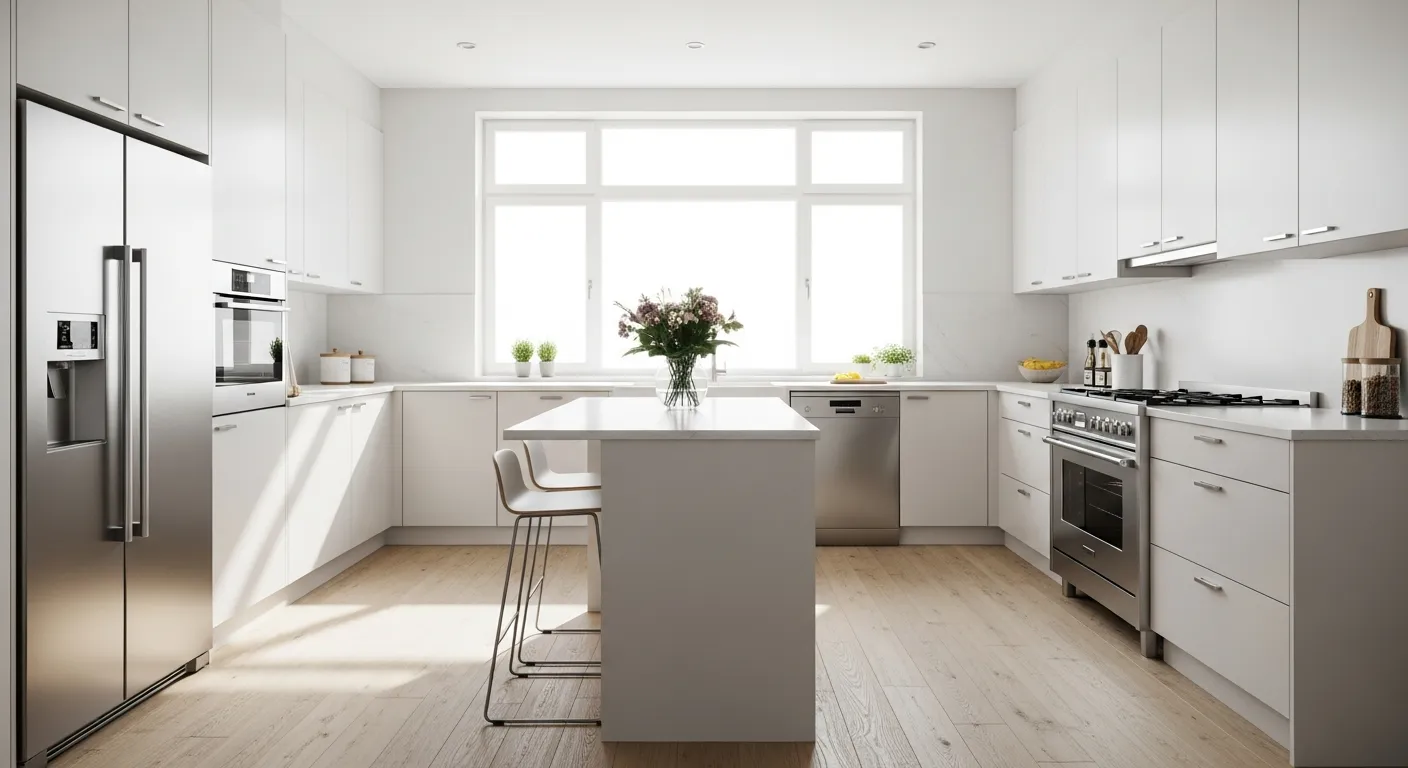
A standard-depth fridge is a common type of refrigerator found in every household. This fridge is more spacious on the inside and can store large items like turkey, watermelon, roasts, etc. It has additional shelves and wine racks, in addition to drawers, which means more space for your food items. However, this type of fridge is best for kitchens with ample spaces, as in small areas, it may feel congested.
Talking about the appearance, it has the same styles as a counter-depth fridge, such as a French door, side-by-side door, bottom-freezer, top-freezer, and mini fridge configurations. Though they are available in several price ranges, you will find them more affordable than counter-depth fridges.
Benefits of Standard-Depth Fridge
Here are some benefits of a standard-depth fridge -
-
More Depth: A standard-depth fridge has more space from front to back, which allows homeowners to organize their groceries more efficiently.
-
Traditional Layout: It gives your kitchen a more traditional look.
-
Comes in Larger Capacities: It is best for large spaces, and has a larger space to store items in both the refrigerator and freezer.
Counter-Depth vs. Standard-Depth Fridge: A Comparative Analysis
| Aspects | Counter-Depth Fridge | Standard-Depth Fridge |
| Depth | 24 - 30 inches | 31 - 36 inches |
| Dimension |
36 inches wider 61 - 72 inches taller |
28¾ to 39¾ inches wide 61¾ to 71¼ inches tall |
| Capacity | 15 - 25 cubic feet | 20 - 25 cubic feet |
| Best For | Smaller kitchens | Larger kitchens |
How to Measure Counter-Depth or Standard-Depth Fridges?
Before you choose one, you must ensure that the fridge is a perfect fit for your kitchen layout. This is because each refrigerator varies depending on the brand and model. Here’s how you can measure for a counter-depth or standard model -
-
Determine where you want to install the fridge. Once done, measure the width of the countertop, upper cabinet, and base levels. Ensure to measure at its narrowest point, as this will help you get a correct fit.
-
Now, measure the height (floor to the lowest point on the upper cabinet). Measure the space twice, once from the front and again from the back. If you don’t get a proper measurement, consider opting for the shorter of the two.
-
Measure the space from the back wall to the counter’s edge and ensure at least 2 inches behind, 1 inch above, and ⅛ inch on each side for proper air circulation.
-
Measure the distance between the island and the fridge to ensure the delivery is done smoothly. Also, check that doors and freezer drawers can be opened smoothly without hitting the cabinets or the kitchen island.
-
Measure the delivery path, including doorways and hallways. Also, clear out any obstacles like furniture or rugs to make sure that the installation is done without any hindrance.
Conclusion
The difference between counter depth and standard depth fridge is all about the space it acquires and how it looks, depending on your kitchen space. If you have a smaller kitchen and want everything to look uniform, consider buying counter-depth. However, if you have a larger kitchen and are on a budget, then a standard depth fridge is your right choice.